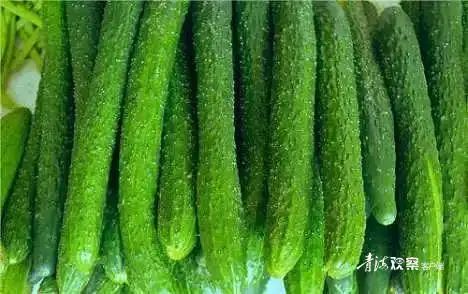
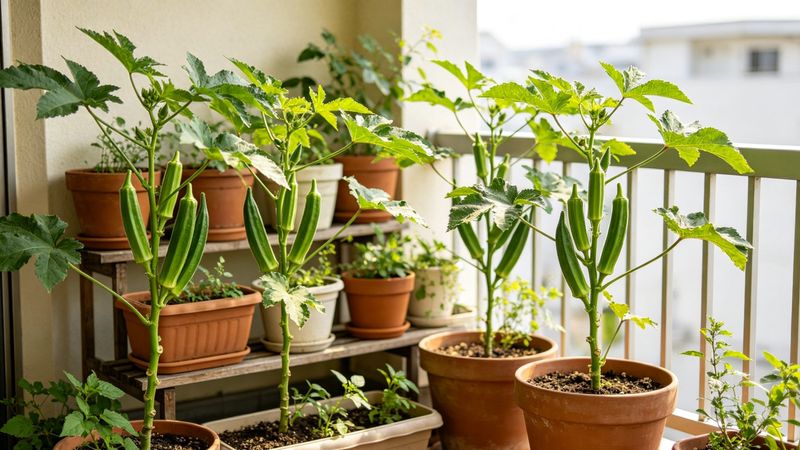
Vegetables, which are common to ordinary people on their table, are delicious and contain proteins, phosphorus, iron, carrots, vitamins b1, b2 and c, vitamin a, etc., which are especially rich in vitamin c, easily digestive and also resistant to cancer。
How can the vegetable grow better and manage better
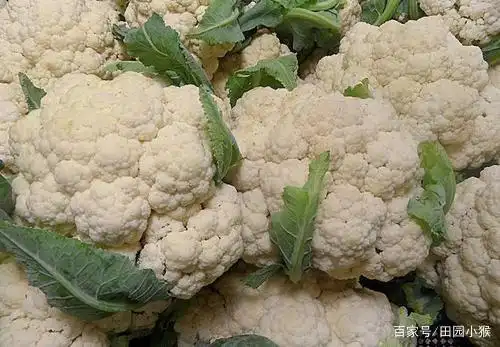
I: the habits of bouquets
The flower root system is more developed and suitable for seeding. The ambient temperature is more important, it is roughly 20-25°c, too cold and prone to freezing, and it is not easy to form a flower ball above 25°c. Light requirements are less stringent, but water requirements are higher and drought and flooding are inappropriate. Soil requirements are not too high, adaptive and suitable for sand cultivation. Soil alkalinity is 5. 5 to 6. 6。
Ii: management of nursery
1. Cultivation time: gardening is mostly in the spring and autumn, and in the northern part of the country is mostly in the autumn, planting around mid-july, planting in august and harvesting in early november。
Seed treatment: seed disinfection is an important means of preventing pests and diseases, immersed for 15-20 minutes in hot water at about 50°c with gauze, then leached 1h-2h in hot water at around 30°c and then dried。
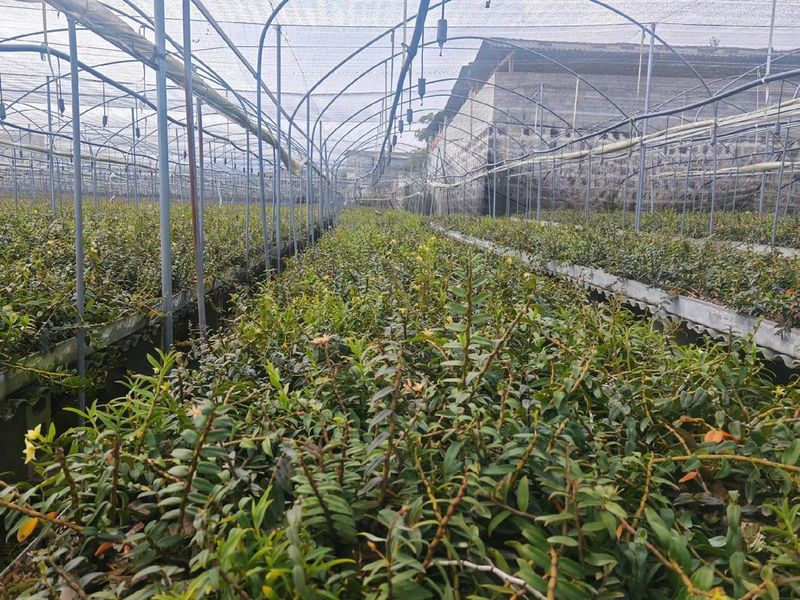
3. Cultivation of seedlings: in the autumn, planting can be done with rain-proof sheds, with nutrientd soil permeable water, seed sowing or on-demanding and covering the membranes, requiring approximately 20 to 25 grams per acre and 4 to 5 square metres per bed. After seedlings, the soil is careful to keep the water wet, weeding and seedlings。
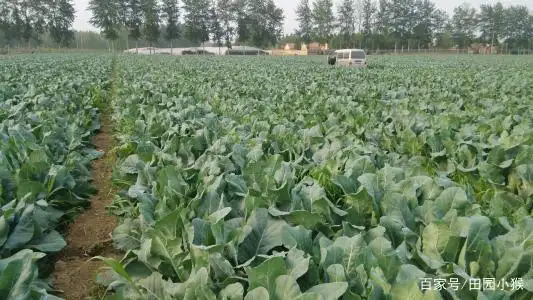
Iii: cultivation management
1. Land-based planting: 5,000 kg of organic fattening per acre, deep tillage, dredge, 1. 4 to 1. 5 metres wide and two lines of vegetable gardening per acre. Early-maturity varieties typically range from 32 to 37 cm, and late-maturity varieties range from 50 to 60 cm. Cultivation density was small in the autumn and slightly higher in the spring。
Temperature management: 25°c during the day and 15-20°c during the night. The temperature should remain at 20-25°c during the day, at about 15°c at night, at a lower temperature during the formation of the ball, at 20-22°c at day and 10-15°c at night. Day-to-day management of temperature, cold and ventilation in accordance with room temperature changes and growth requirements。
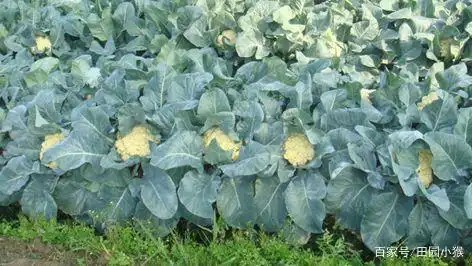
3. Fertilizer management: the principles of management are pre-suppression and post-suppression. A three-time fertiliser can be used, for the first time in 7 to 15 days, for the second time in 30 to 40 days, and for the third time in the plant. The quantity is contained at about 1,000 kg per acre, and 30 per cent of the marshal lobe can be used to fatten the ball。
4. Wetting: there is a long-term need to keep the soil moist and peanuts fully watered in the long term. Vegetables tend to produce side branches, and when the main ball grows to 12-16 centimetres, it is sufficient to keep 3-4 side branches。
5 insect control: vegetable flowers are easy to recruit, and vegetable moths can be used by vegetable farmers if they occur bacillus control, where aphids appear, can be treated with 1% soap。
6 pick transport: vegetables with a diameter of about 15 cm they can be picked up by choosing between 6 and 7 a. M. Or 4 and 5 p. M. In the middle of a sunny day, with three to five leaves to be preserved, to avoid squeeze and dehydration, and to be careful of ventilation and shades; if the temperature is kept at approximately 5 degrees in cold storage, the temperature is controlled at around 0 degrees in transport。