When growing flowers, many people experience common problems, such as thin seedlings, weak seedlings, small and loose balls. The root causes of these problems are often the negligence of certain key steps in practice. Detailed analysis of the whole process of gardening can help to master planting techniques, thus avoiding a curve。
011. The whole planting process
1. 1 careful selection and preparation of land
The selection of seeds is based on the season: in the spring, it is desirable to select early-cooked varieties, while in the autumn, late-cooked varieties are selected to ensure the quality of the ball. At the same time, the choice of plots is crucial and priority should be given to the selection of well-silent and well-drained land and to avoiding the replanting of cabbage on previously cultivated land in order to reduce the risk of disease. In the process, soil would have to be pine, with a flat spread of 2,000 kg of decomposition farm fertilizer per acre and 50 kg of compound fertilizer. Subsequently, fertilizers were fully synchronized with the soil, the land level was levelled and the width of the land was approximately 1. 2 metres, while drains were set aside to ensure timely drainage in the event of rain。
1. 2 attention to the process
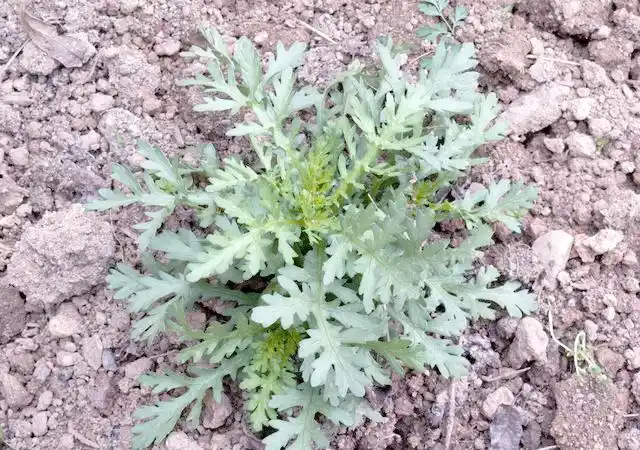
Adequate preparation is required before the birth of a child. Select suitable nursery containers, such as nursery trays or nutrition cups, to ensure good ventilation and drainage. At the same time, high-quality seedlings, such as leeches or pearl rock, are prepared to be mixed with a scavenging agricultural fertilizer to provide sufficient nutrients. In breeding, close attention needs to be paid to seed sprouts, appropriate temperatures and humidity are maintained, and management measures are adjusted in a timely manner to ensure the successful growth and healthy growth of seeds. In addition, care must be taken to combat pests and diseases and to regularly examine and take necessary measures to ensure the health and safety of seedlings。
The birth time is determined according to the planting time. If planted in the spring in march, seedlings would have to start in late january, while planting in the autumn in august would have to take place in mid-june. When preparing seedbeds, a fertile vegetable garden should be chosen and mixed with 30% of rotting organic fertilizer, which should then be flatted and fully watered. The seeding can begin once the water penetrates the soil. In sowing, vegetable seeds shall be spread evenly on the surface of the seedbed, then covered by a layer of 0. 5 cm thick fine soil and sheeting to maintain humidity. The temperature shall be maintained at 20 - 25°c before the seeding occurs, and the temperature shall be reduced appropriately after the seeding, at 18 - 22°c during the day and 10 - 15°c at night. After seven days of seedlings, an inter-sapling operation should be carried out at a distance of 3 cm to prevent seedlings. When water is watered during seedlings, care is taken to control the volume of water and only when the earth surface is dry, in order to avoid the problem of rotting roots。
1. 3 replanting techniques
When the vegetable seedling grows to four to five real leaves, it can be replanted. Before planting, it is necessary to ensure that seedling beds are adequately watered in order to lighten the soil. At the time of planting, a distance of 30 centimetres and 40 centimetres should be maintained, with approximately 5,000 plants planted per acre. A well-earned cave will be prepared, seedlings will be put into the den, earth will be grown to the neck, and root water will be fully watered. If the temperature is low after planting, the shaded net will be covered to protect the seedlings to help them slow down。
1. 4 field management points
In the area of field management, there are several important elements that need to be addressed. The first is watering, which once a week is required for grazes once they are soaked to ensure that the soil remains humid. Adequate moisture is essential, especially during the ball-break period, and lack of water leads to inadequate ball-laying. At the same time, however, care must be taken to avoid the accumulation of water, which should be discharged in a timely manner after the rains。
The second is fertilization, where 10 kg of urea per acre can be applied to facilitate the growth of cabbage leaves. At the time of the lotus, 20 kg of compound fertilizer per acre. In the early stages, 25 kg of compound fertilizer per acre should be followed. Every fertilization is followed by adequate watering to ensure that it is fully effective。
The whole branch is also an important measure in field management. When the cabbage grows to 10 leaves, the leaves at the bottom should be removed, which would not only reduce excessive nutrient consumption, but also improve ventilation and reduce the likelihood of disease。
Pest control and timing
2. 1 pest management methods
In field management, pest control is an essential component. Common diseases include froste, which should be prevented by the immediate spraying of 100 bacterial wettable powder every seven days and twice in a series of times, as soon as it is discovered that the leaves are swollen. At the same time, vigilance should be exercised with regard to pests, such as larvae, which can be booby-trapped by cedars or, in case of serious pests, by the spraying of chlorflammide, which should be diluted in accordance with instructions. Whether spray or booby traps are used, they must stop 10 days before harvest to ensure the safety and quality of agricultural products。
2. 2 understanding the timing of harvest
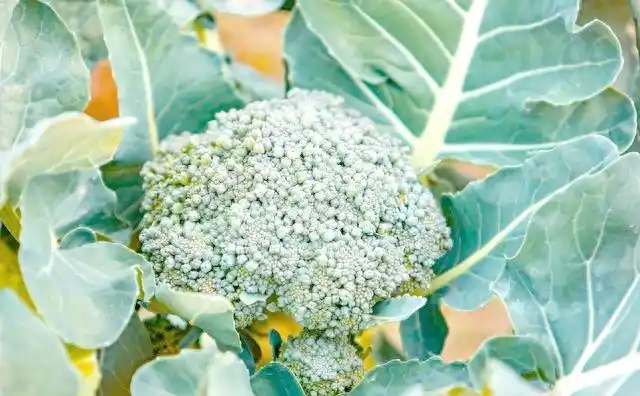
When the balls develop to about 15-20 centimetres in diameter, and the surface is tight and colourful, they are suitable for harvesting. At the time of harvest, a knife was to be cut decisively at 5 cm at the bottom of the florist and two leaves were to be preserved to protect the integrity of the florist. Once harvested, they should be immediately marketed to avoid the spread of the flower balls over time, thus ensuring their quality。
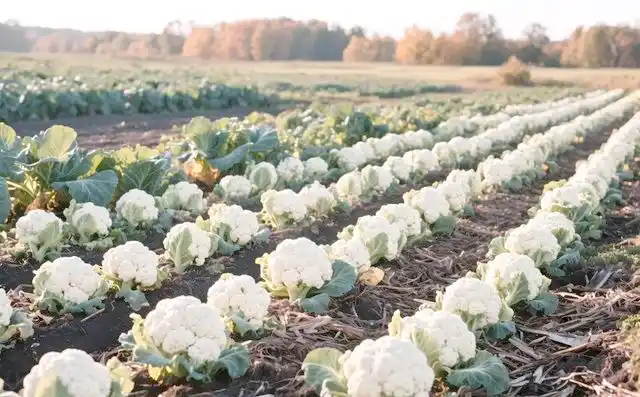
Cultivation is not complex, and the key is to select suitable seeds, carefully cultivate seedlings, rationalize fertilization and take effective pest and disease control measures. Following these steps, even for the first time, it is possible to harvest compact plume. Let's try it now and start your cabbage trip。