Preamble
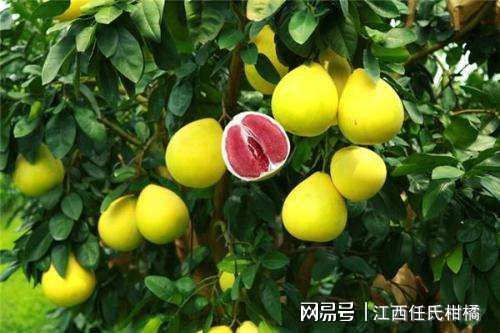
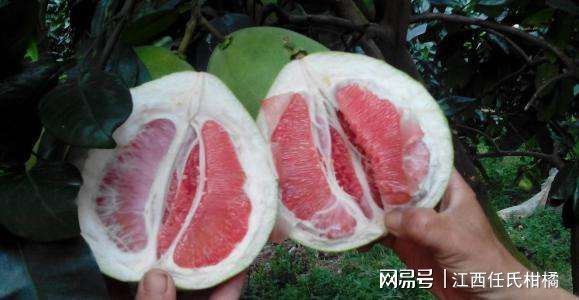
Red-heart grapefruit is a very common fruit in everyday life and a very popular fruit with a unique taste, a dermal detoxification, an anticinating cough effect, and a cash crop that is very popular with consumers, and is very popular with the fruit farmers, so how do the grapefruits manage their cultivation。
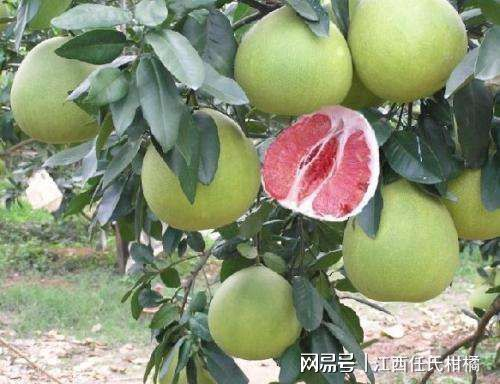
The country of jiangxi-yun's fruit industry is having a meal with a heartfruit and red meat and honey
The technique of growing grapefruit spring
The spring of the grapefruit tree, which begins with a large number of new withdrawals, attracts the harm of red spiders and aphids, and with the return of temperatures, the increase in rainfall, anthrax and sandy diseases, etc., which, if not implemented in a timely manner, will inevitably have an impact on the flowering results and the production will be damaged, so medication must be taken in advance. In addition to this, weeds begin to grow in the spring and must be left and weededed in strict conformity with the principle of “weeding in the rows, weeding in the trees”, so that weeds do not affect the growth of grapefruit trees and become a hideout for pests. Flowers consume large amounts of nutrients and are applied in a timely manner after they are cut. They can help in the recovery of tree positions, but they must not be applied to nitrogen fertilizer to avoid a large amount of twitching in the summer。
Grapefruit cultivation technology
The high heat and rain of the summer is the peak of pest and grass, as well as an important period for the growth of grapefruits, during which grapefruit trees bloom, sit, cut fruit, inflation and, if not carefully managed, the production and quality of a year will be affected. For summerfalls, controls can be used in the form of shearing, stinging and hysterectomy, or else the fruit will lose its light when it competes for nutrition. After the first physiological fallout has been completed, it is necessary to have a twig, rationally controlled production, and to ensure the development of quality fruit. In the application of fertilizers, the proper pursuit of fat on the basis of tree positions, supported by compound fat, and organic fat, has contributed to the rapid expansion of the larvae, and the prevention of aphids has not fallen, owing to the high levels of screeching in the summer。
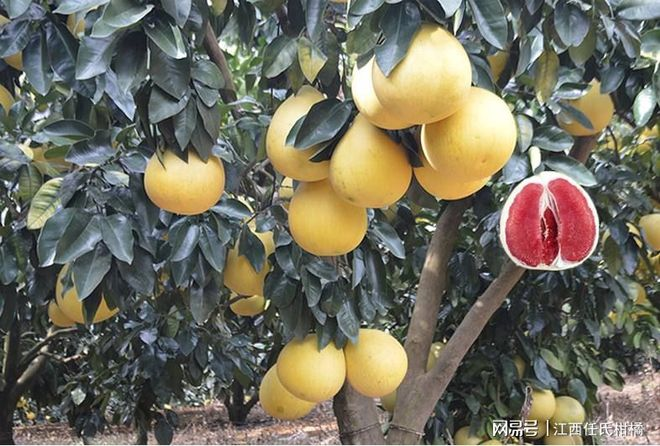
Autumn planting techniques
In the middle of late-june-mid-august periods, which were characterized by the expansion of grapefruit, the climate was unstable, with the possibility of prolonged drought and sudden rainfall, which could lead to a large number of fissures, so that during the drought the water could be watered in small quantities, without rain for three days, to ensure that the soil was wet and to avoid abrupt rainfall. In addition to improving drainage facilities, the proper use of growth regulators can reduce the occurrence of fissures, and the use of a percentage of growth regulators to paint the umbilical cord of grapefruit can increase its thickness and resistance to fragmentation, but inappropriate use may affect the quality of grapefruit fruit. In order to improve the quality of the fruit, 1 - 2 kg of complex fattening (preferably calcium fattening) was applied to each of the tree branches during this period, as well as 2 - 3 foliages on the side of the leaf, thus increasing the sugarity of the grapefruit by 2 - 5 units。
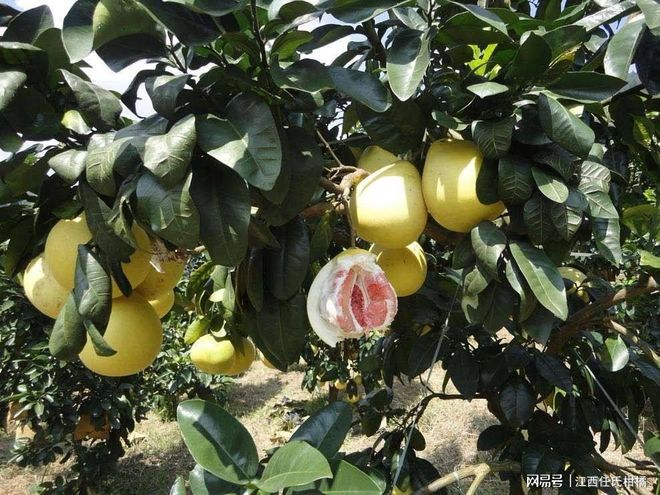
Breastfruit winter planting techniques
Late october-end november, the main pick-up period for grapefruits, during which fruit sales must be made, and when the fruit farmers are most pleased, but not neglected in the management of fruit trees, are to be fertilized at the bottom of the fruit tree, quickly replenishing the large amount of nutrients consumed in the fruit tree over the course of the year as a result of a large number of pick-ups, and laying the groundwork for splitting the buds of the coming year. At the beginning of december -- the end of the month -- the period in which the grapefruits are undergoing the rehabilitation of their branches, the main tasks are to repair excessive and excessive branches, to preserve them properly, to regulate the distance between branches, to make them even, to complement each other's nutrients and flowers, and to achieve moderate density. Build a solid foundation for production in the coming year. At the same time, churns are being dug to control the moisture of the roots。