High-yielding cultivation techniques for grapefruit and pest control techniques for herpes
1. High-yielding cultivation techniques for grapefruit
1. 1 scientific planning of grapefruit gardens
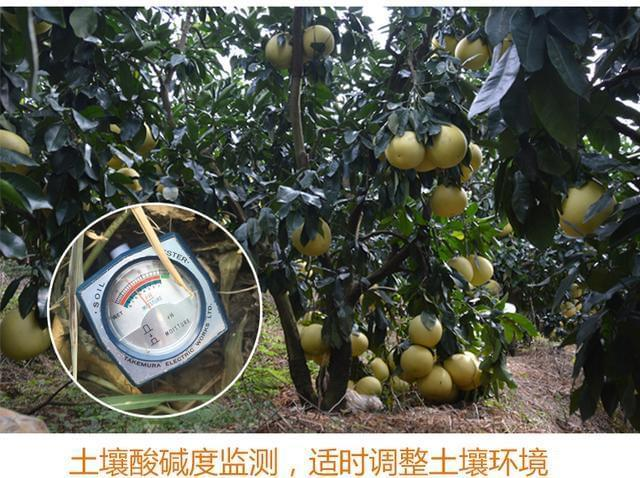
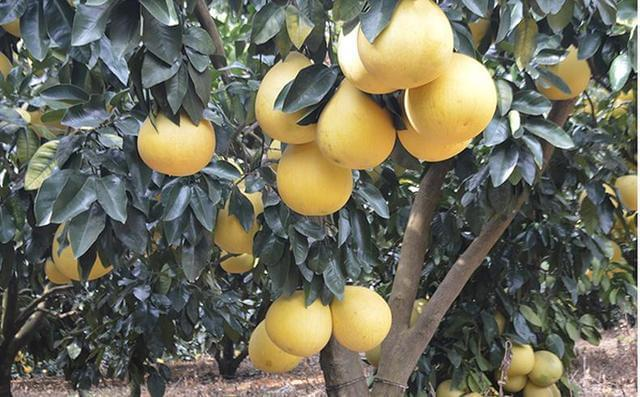
Usually, red-heart grapefruit is grown in mountainous areas where average temperatures are more stable and where drainage is good. The selected area of cultivation should be free of contamination, not more than 20° slope, and the soil should be moderately weak acid, with ph between 6. 0 and 7. 0, with a thickness of at least 40 cm. The garden should be close to a water source to allow for crop irrigation and should be close to the main road to facilitate the marketing of the grapefruit when it matures. Following the initial selection of the planting areas, the land is planned for consolidation, deep-soiling to improve its permeability, irrigation systems and roads, and the construction of terraces. As a rule, it is possible to grow scarves during the three seasons of spring and summer, but it is chosen for october, with the highest success rate. At the time of planting, the range was generally 4 mx5m or 3. 5 mx4. 5m, with a capacity of 110 or so ecstasy per 667 m2. The 15d before planting is to be dug up and fertilized with soil, calcium phosphate, oil cake, etc., and then filled with soil, which is about 25 cm higher than the surrounding ground. It then removes the root or the bad root of the shelving heart, and plants it in the cave, with the roots levelled, covered with fine soil and light-sapling, so that the roots are fully integrated with the soil. In order to ensure a high rate of activity of the grapefruits, timely watering is required。
1. 2 timely manure management
The effects of good soil quality on scarves are significant, determining their flowering and growth. The fertilization is completed in time for the spring season to begin with the gestation and early autumn. Weeding should be completed in due course for three seasons in spring and summer to make the soil more lax and to improve soil conservation capacity. In summer and winter, coverage measures can be taken to help keep the temperature wet。
For the larvae, fertilizer should primarily be based on nitrogen fertilizer, which should be applied at least once a month, at a minimum, at less than one dose per month, and be applied in a good manner. Once the grapefruit has grown up and begun to produce results, fertilization is done once a quarter. At the end of the month, the grapefruit tree began to cut flowers, at which time urea and potassium phosphate were applied, and roots were fertilized in order to increase the yield rate. At the end of the month and beginning of july, the main phosphorus fertilizer, which accounts for 30 per cent of the long-term fertilization required for ecstasy, is 15 kg per plant, 20 kg green, 0. 1 kg urea and 2kg grass-grain. The 15d before the fruit matures should be fertilized with phosphorus, urea and organic fertilizers, which account for 60 per cent of the long-term fertilization required for the birth of afruit to ensure that the fruit grows well。
Sufficient moisture is provided during the cultivation of the grapefruit so that the fruit and meat are fully watered and tasted. But water is not too much water, how much water it is, and euphemisms are vulnerable to infestation. As a result, one water recharge is carried out each year during the application of spring fertilizers, and one more when the fruit starts to swell. In the growth phase, if there is too much precipitation, drainage and flood control should be carried out to prevent problems such as rotting roots。
1,3 effective protection of flowers
In the spring, when the rains are more frequent, and the grapefruit of the hearts are in the flowering season, it is more affected by external natural conditions. Extreme weather events, such as high temperatures, high precipitation or low rainfall, can cause poor frowning fruit. To that end, targeted management measures must be taken to ensure the positive growth of grapefruit. As a result, the parent branch chooses the springs of 1-2a or the autumns of 2a in order to ensure that the fruit of the grapefruit is the following year. At the appropriate time, trace elements are sprayed to grow. During the flowering and gestation periods, sufficient fatty water is applied to ensure temperature in order to guarantee the seating rate of the grapefruit. In the early stages of the flowering of euphoria and the early years of the geisha, when the weather is harsher, it should be cut twice in time in order to be better protected。
2. Pest management techniques for grapefruit disease
2. 1 strengthening cultivation management
Pests and pests pose a significant threat to the growth of grapefruit, a period that should be used as a critical period in the fight against grapefruit, which is the most frequent occurrence in spring. Usually, euphoria grazes, root decay, yellow dragon disease, small fly, leaf moths, etc. Are the most common pests. In spring, the branches of the euphoria are soft, the buds are small and vulnerable to various pests and diseases. For this purpose, the maximum protection of the growth of euphemisms can be achieved by the timely spraying of euphemisms and the control of pests and pest threats in the bud. In addition, the management of cultivation lasts four seasons a year, with the garden being cleaned up during the winter, the weak branches being cut off in a timely manner, pest disease breeding sites eliminated, fertilization of the pine soil on a regular basis, and the creation of good external conditions for the growth of heartfruits to enhance their resilience to disease。
2. 2 stop the spread of bacteria
The effects of fungi and bacteria are also significant in the long term in the form of euphoria. Once infected, various physical conditions occur. For example, diseases such as anthrax, scabies and black star disease occur after infection with fungi, with the option of a drug such as fusung, ethylene acetamide, betai and apogee. Since the symptoms of the early onset of the disease are not obvious, inexperienced farmers can easily miss the optimal period of prevention, and prevention strategies must be maintained. As bacterial diseases are transmitted mainly through insects and can also be transmissible, it is therefore important to strengthen routine quarantine of euphoria trees, regular clean-up of euphoric gardens and insecticidal work, cutting off transmission routes and reducing the source of infection. In addition, fertilization must be maintained at an appropriate level, too few affecting the growth of euphoria trees and too much leading to a decline in root causes。
2. 3 elimination of euphoria pests
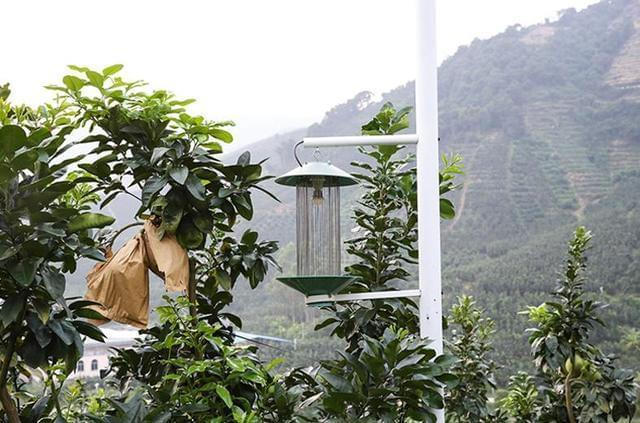
In addition to threatening the growth of grapefruit, a variety of predatory pests have a significant impact on other crops in orchards, and their full eradication at once is difficult. To that end, best pest management results should be achieved through different control measures, based on the knowledge of patterns of pest occurrence, depending on the type of pest. For example, in the fight against sub-leave moths, the main choice is to be taken in larvae, mainly in the case of pesticide spraying, with the first week of spraying being completed in the first week of the euphoria, which is about 0. 3 cm, followed by one dose per week, until it ceases in the case of aging; in the case of orange aphrodisiac mosquito, the choice should be made between pyrethrin or agro-pole, with the aim of spraying the floor of the orchards, the crowns of the fruit tree and the surrounding weed bush, and to remove the fruit in a timely manner; and in the case of shellworms, the option of greening or poisoning and killing is good。