1 time: peanuts are a colder plant, so we usually wait for the soil to rise, and then we have to consider the effect of high temperatures or low temperatures on peanut growth in the summer, so it is better to do it early in time, because hot temperatures and low temperatures are not normal for peanuts, while high temperatures and heavy rainfall lead to new cropping, which will affect the production of peanuts, so the best planting time is between the end of march and mid-april, and attention must be paid。
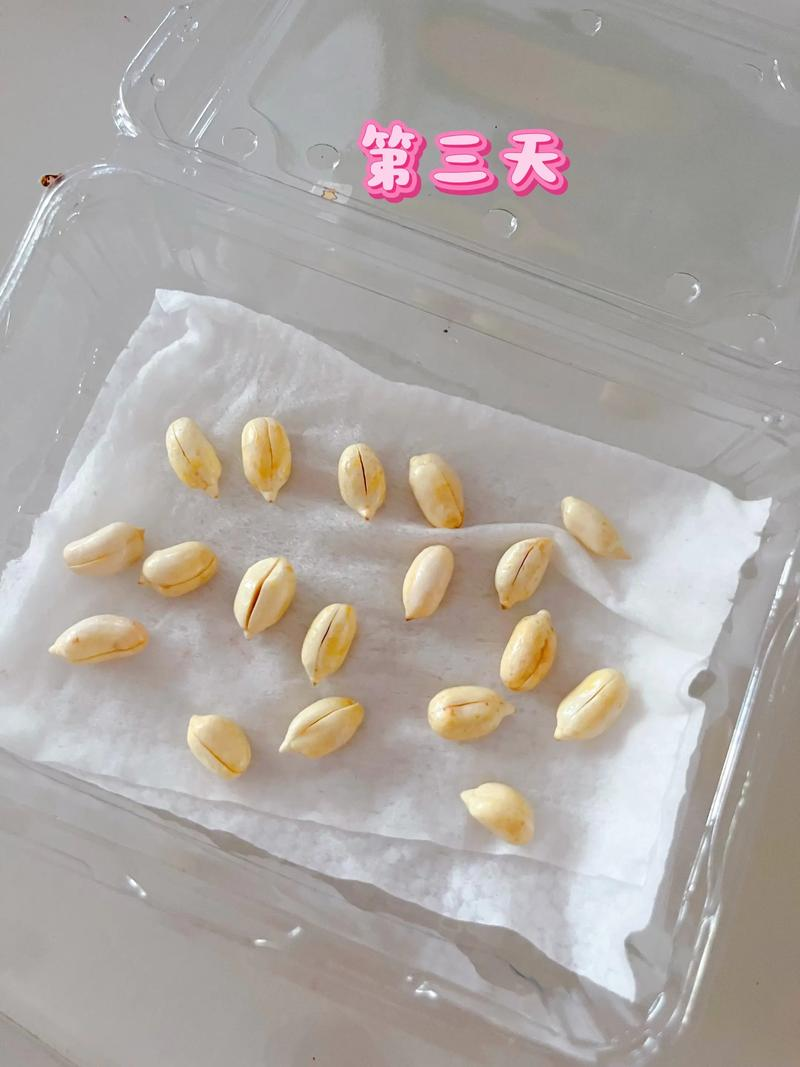
Seeds: groundnut seeds are primarily seed selection and pre-plant seed treatment, and first we need seeds that are larger and very full of particles that are not affected by pests and diseases, which are more likely to germinate, while good seeds produce better peanuts. Before planting, we need to tan peanut seeds in the sun, so that they can be fungated and, if possible, blended with pharmaceuticals, so that the plant can be made more resistant and so that it can be sowed when everything is done。
3 soils: the fruit of peanuts is grown mainly in the soil, and the suitable soil is more conducive to peanut growth and higher peanut outcomes. Therefore, when selecting the soil, we should be careful to plant the soil with a higher organic content of the chicken and a better water drainage of the soil. Although ground in peanut plantations is more lax, sand is usually not taken into account because of its poor water storage capacity and the susceptibility of peanuts to death。
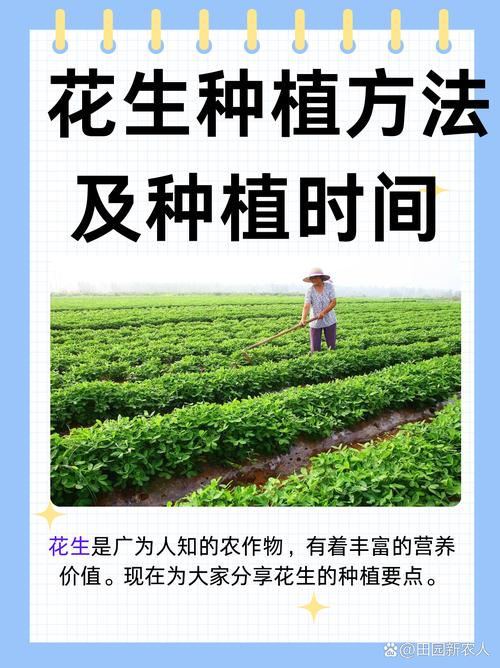
4. Density: the density of peanut cultivation is also an issue that requires our attention, as reasonable density increases the outcome rate of peanuts while reducing many unnecessary diseases. The intensity of cultivation is best seeded at a distance of 30 centimetres per row and about 20 centimetres per plant, which allows for the full utilization of the land and increases the outcome rate, thus increasing the production of peanuts。
5. Fertilizers: the management of peanuts ' fatty is more important, and it differs somewhat from other crops. If peanuts are usually not required to re-fertilize when base fat is sufficient, because later fertilizer reduces the volume of peanuts and creates a phenomenon that leaves no groundnuts, it would be better to apply base fat at the outset, and then, if nutrients are insufficient, it would be better to catch up with peanuts before they grow, in order to reduce their impact on peanuts. Peanuts are not generally watered, and natural rainfall is sufficient for peanuts to grow, while drainage is also required when necessary。
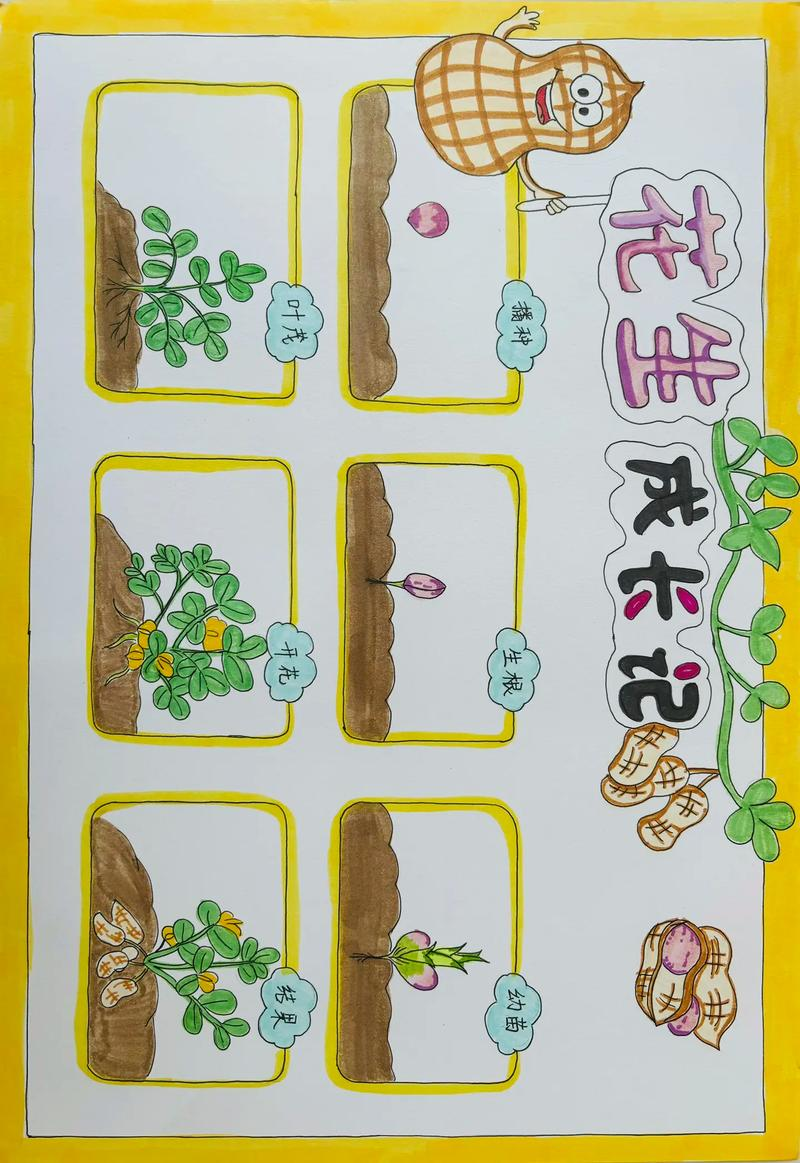
6 prevention of disease: little disease occurs throughout the growth of peanuts, but there are pests, usually a lot of leaf-eating insects when peanut leaves are greener, where we spray them with medicinal agents, and secondly, when peanuts are about to mature with a lot of ground pests and peanut-friendly fruit such as field rats, so we can use drugs to root, and we can use booby traps to trap field rats。