The [engine of what] engine is an essential component of modern mechanical systems and is widely used in a wide range of fields, including automobiles, aircraft, ships, power generation equipment, etc. It provides power for various equipment by converting the chemical energy of fuel into mechanical energy. Understanding the basic structure and composition of the engine contributes to a better understanding of its working principles and maintenance methods。
Main components of the engine
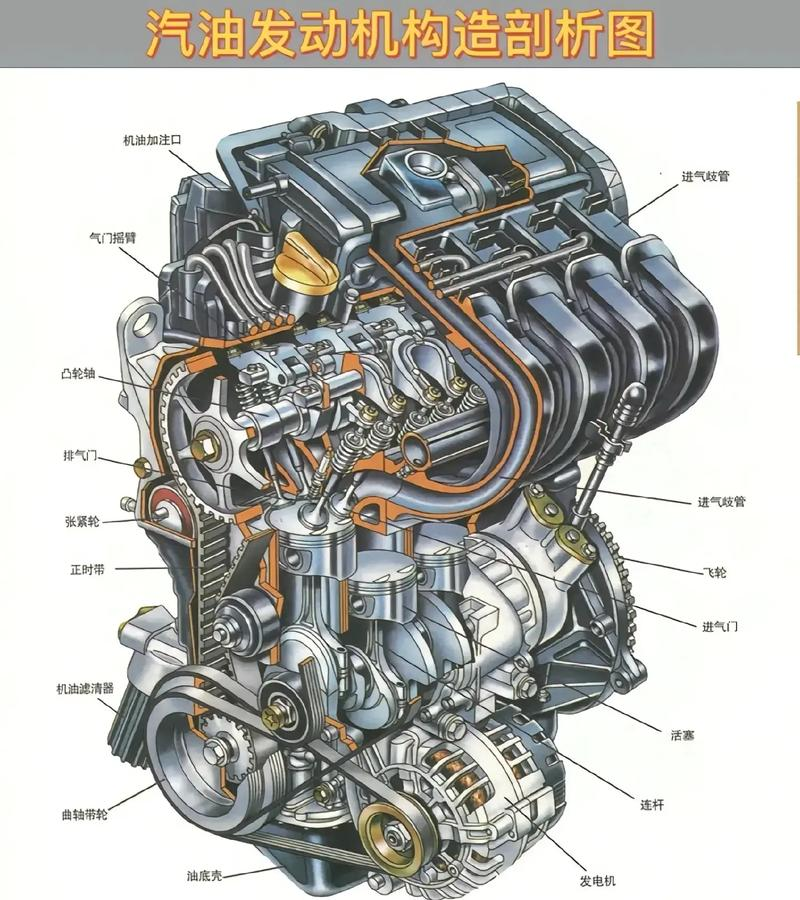
Engines are complex in structure, and different types of engines (e. G. Internal combustion, external combustion, electrical motors, etc.) vary in specific configurations, but are broadly the same. The following is a summary of common engines (as in the case of four-string petrol engines):
Summary of engine composition
Component
Functional description
Organ (cylinder)
The main structure of the engine, which accommodates key components such as pistons, gas doors, provides support and seals。
Curve box
It is located below the cask and contains a curved axis and lubricating systems for storage of oil and protection of internal parts。
Pistol
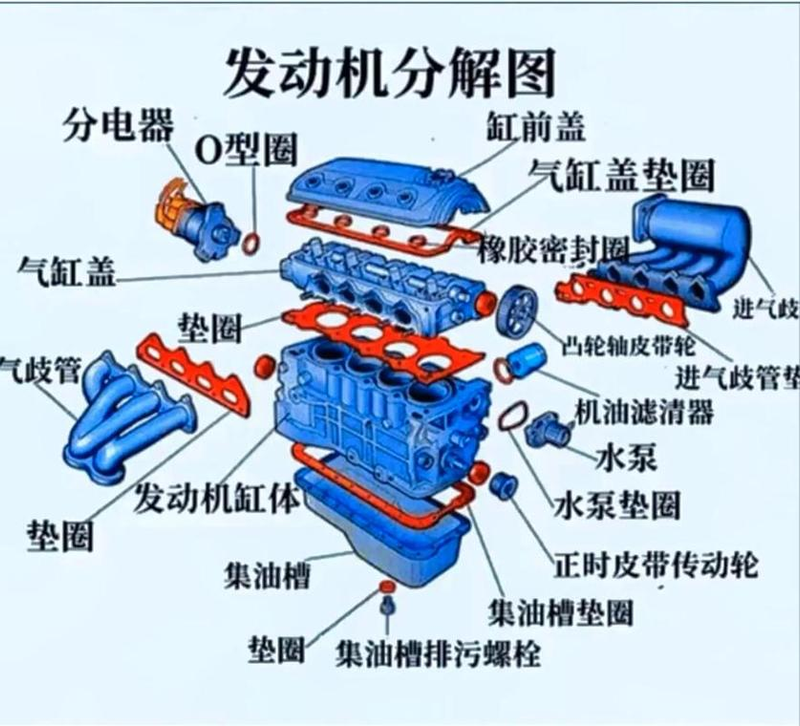
Move back and forth in the cylinders, converting pressure from combustion into mechanical power。
Pistol ring
The gap between the sealed piston and the cylinder prevents gas leaks and controls the oil entering the combustion chamber。
The pole
Connect the piston to the curve axis and convert the straight motion of the piston to the rotational motion of the axis。
Curve
Translating the transfer power of the pole into rotational motion and ultimately output power。
Cam axis
Control the opening and closing of gas doors to ensure the orderly conduct of the inflow and venting processes。
Gas door

These include gas entry and exhaust doors, which control air or mixed air entry and discharge。
The air-gate spring
Return the gas door to its original position as soon as it is closed。
Ignition system
They include spark plugs, fire wire rings, etc., to be used to ignite compressed combustible gas。
Fuel supply system
It is responsible for transporting fuel to engines, including fuel tanks, fuel pumps, nozzles, etc。
Cooling system
Circulation of engine heat through cooling fluids prevents overheat。
Lubrication system
Lubricated oil is transported to various friction areas through the oil pumps to reduce wear and tear。
Iii. Different types of engines
While the above-mentioned structure applies to most 4-string petrol engines, there are some differences in the different types of engines in terms of specific components. For example:
- diesel engines: there are no spark plugs, relying on compressed self-burning; fuel jet systems are more complex。
- turbo pressurizers: turbo pressors have been added to improve the efficiency of gas intake。
- electrical engines: there is no traditional fuel system, electricity is provided by batteries and the structure is simpler。
Concluding remarks
The engine, as the “heart” of the power system, is designed to directly affect performance, efficiency and reliability. A mastery of the basic composition of the engine will not only help in day-to-day maintenance and failure screening, but also lay the foundation for in-depth learning in mechanical engineering. The core idea of both traditional internal combustion engines and new electric motors is to transform energy into effective mechanical motion。