The high-speed centrifuge, which is used in conventional laboratories and is widely used in scientific education and production sectors such as biology, chemistry, medicine, etc., uses the powerful centrifugal power generated by high-speed rotation of rotors to separate liquids from the components of solid particles or liquid mixtures, and is suitable for rapid separation and synthesis of trace samples。
High-speed centrifuge speed dividing line: 10,000-30000r/min, centrifuge speed 10,000r/min; rotation speed
Landing high-speed, high-speed, high-speed frozen centrifuges
High-speed centrifuge fundamentals
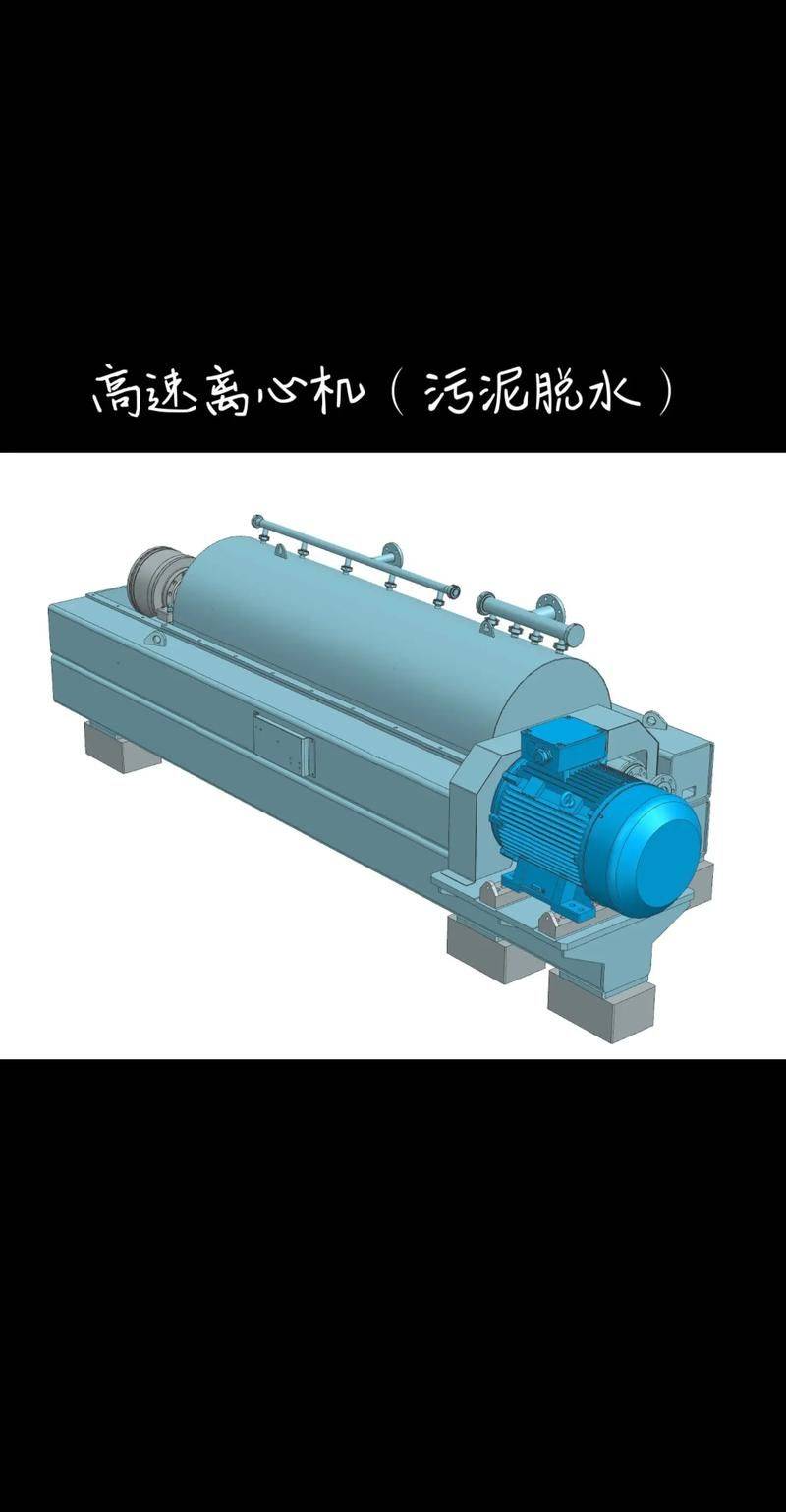
When suspended liquids containing small particles are still in motion, suspended particles are gradually sunk as a result of the effects of gravity fields. The heavier the particles, the faster they sink, the less dense the particles rise. The speed at which particles move under the gravity field is related to the size, morphology and density of the particles and is also related to the strength of the gravity field and the viscosity of the liquid. Like the particles of the size of a red cell, a number of micrometres in diameter, their deposition can be observed with normal gravity. In addition, the deposition of substances in media is accompanied by diffusion. Proliferation is unconditional. Proliferation is inversely proportional to the mass of the substance, and the smaller the particles, the greater the spread. The sinking is relative, conditional and motivated by external forces. The larger the particles, the faster they sink. For particles smaller than a few micrometres, such as viruses or proteins, they are in a gel or semi-gel state in the solution and it is not possible to observe the deposition process by using gravity alone. Because the smaller the particles, the slower the deposition, the greater the proliferation. It is therefore necessary to use centrifuges to generate a strong centrifugal power to force these particles to overcome proliferation and produce sedimentary movements. Centrifugal is the use of a powerful centrifugal force generated by a high-speed rotation of the centrifuge rotor to accelerate the deposition of particles in the liquid and to separate the different sedimenting factors and floating density from the samples。
High-speed centrifuges are in range: the speed of high-speed centrifuges is typically between 10,000 and 30,000 r/min. Because of the high rate of rotation, there is a high centrifugal power, which is an effective instrument for the preparation of studies on various samples by means of high purity separation, enrichment and precision of suspended substances in the sample solution. High-speed centrifuges are important equipment for separation in the production sectors of scientific research, such as medicine, life sciences, pharmacology, biology, chemistry, agricultural sciences and food conservation, and meet the requirements of a wide range of scientific experiments. A wide range of drugs, biological products, such as blood, cells, proteins, enzymes, nucleic acids, viruses, hormones, etc。
High-speed refrigerated centrifuges (with colding systems): mainly used in the separation of bacteria, cells, subcellular components, viruses, etc., in low-temperature conditions, extraction, separation, purification of active ingredients such as nucleic acid, protein, enzymes and other centrifugal centrifugals requiring low-temperature freezing conditions。
What sort of high-speed centrifuges and their uses
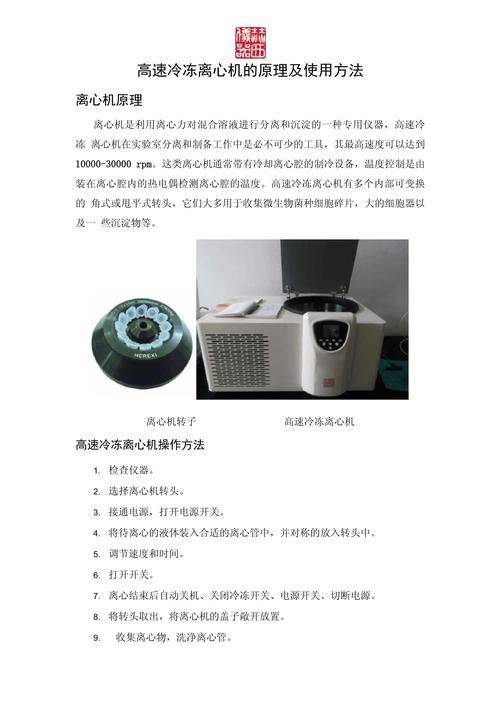
High-speed centrifuges, high-speed refrigerated centrifuges at speeds of up to 10,000 rpm, which are made of titanium and aluminium alloys, with the exception of low-speed refrigerated centrifuge performance and construction. Centrifugal tubes are hard plastics with polyethylene cover. Most of these centrifuges are used to collect micro-organisms, cell fragments, cells, large cells, sulphuric acid sediments and immune sediments。
1. Disaggregated by structure: desktop high-speed centrifuges and standing high-speed centrifuges。
2. Disaggregated by volume: microvelocity centrifuges, small capacity high speed centrifuges and large capacity high speed centrifuges。
3. By size: mini-high-speed centrifuges, small high-speed centrifuges and large high-speed centrifuges。
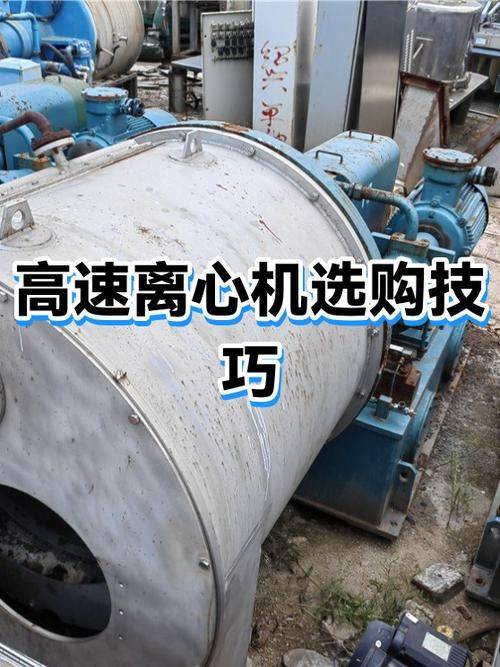
Temperature-controlled fractions: refrigerated high-speed centrifuges (low-temperature high-speed centrifuges) and constant-temperature high-speed centrifuges (freezing machines with a cooling system capable of controlling temperatures as low as 20°c and common centrifuges without a refrigeration system)。
5. Centrifugal separation: preparation of high-speed centrifuges and analytical high-speed centrifuges。
6. Disaggregated by purpose: biovelocity centrifuges, pharmaceutical high-speed centrifuges, chemical high-speed centrifuges, food high-speed centrifuges, starch high-speed centrifuges, oil high-speed centrifuges, dairy high-speed centrifuges, fermentation high-speed centrifuges and coal tar high-speed centrifuges。