I. Definition and characteristics of mental illness
Mental illness is not simply an “emotional volatility” or “personality problem”, but rather the existence of a clear biological basis or an abnormal psychological mechanism. For example, depression patients may be associated with an imbalance in brain neurotransmitters (e. G. Serotonin, dopamine); schizophrenia may be associated with genetic or brain structure anomalies. The characteristics of mental illness include:
Continuity: symptoms persist, such as depression or excessive anxiety lasting more than two weeks. 1. Functional impairment: affects daily life in terms of learning, work, social life, etc. 2. Non-situational: not directly related to external stimulation, such as a panic without obvious cause. 3.
Ii. Common types and manifestations

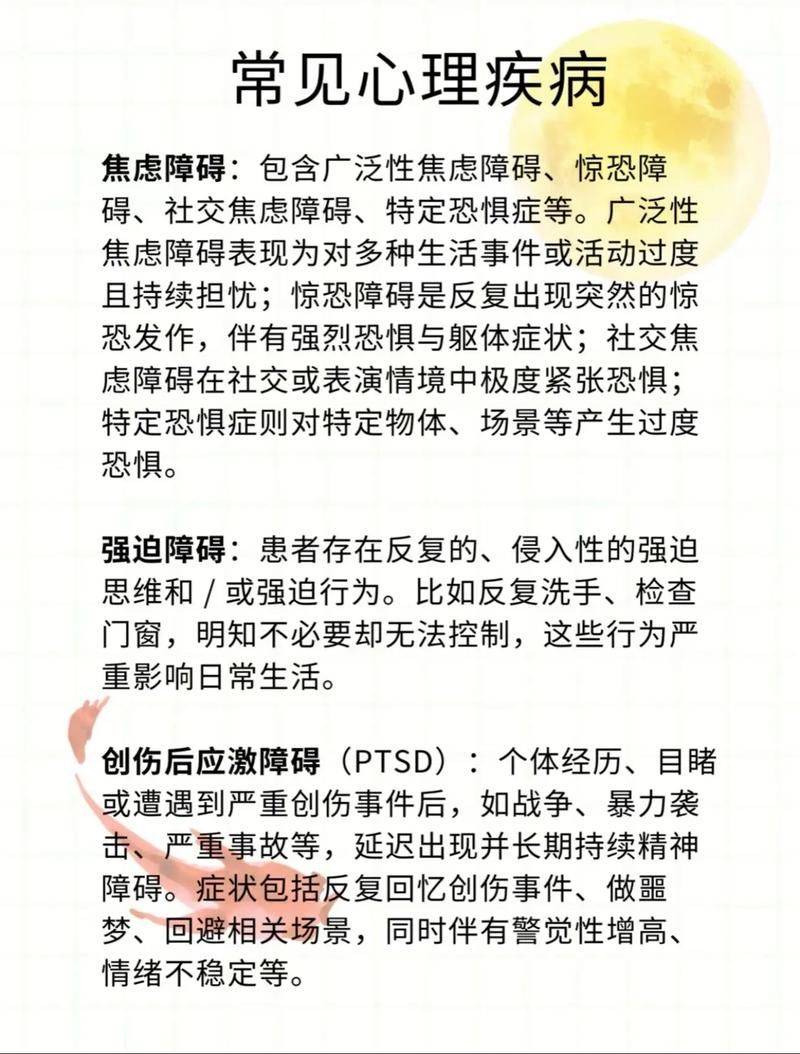
Emotional disorder 1. Anxiety disorder 2. Schizophrenia 3. Trauma-related disorder 4.
Iii. Causes and risk factors
Mental illness is usually caused by multiple factors, including:
Physiological factors: genetic susceptibility, brain chemical imbalance, chronic diseases (e. G. Thyroid problems). 1. Psychological factors: childhood trauma, chronic stress, negative cognitive patterns. 2. Social environment: domestic violence, social isolation, major changes in life (e. G. Unemployment, loss of family). 3.

Research indicates that the genetic risk of certain mental diseases, such as depression, is about 30 to 40 per cent, but environmental factors are equally critical。
Iv. Diagnosis and treatment principles
Diagnosis is based on treatment 1.
Early detection and early intervention are key to improving expectations. About 60-80 per cent of depression patients can significantly alleviate symptoms through standard treatment。
V. How mental illness is viewed
Elimination of prejudice: mental diseases, like physical diseases, need treatment and should not be stigmatized. Self-care: regularity, moderate mobility and social support networks reduce the risk of disease. 2. Seek help: in case of continuing psychological distress, a psychologist or psychiatrist should be consulted in a timely manner. 3.
Mental illness is not a manifestation of “weak personality” and, through scientific intervention, most patients can recover their social functions and return to normal life。