In modern industrial and civilian facilities, temperature protection and prevention have become key components in ensuring the stable functioning of the system. As an advanced anti-frozen temperature protection tool, the free-temperatured tropics have become a powerful tool to address temperature maintenance problems at facilities such as pipelines, containers, etc. This paper provides an overview of the rationale, characteristics, advantages and areas of application of the temperature-free tropics。
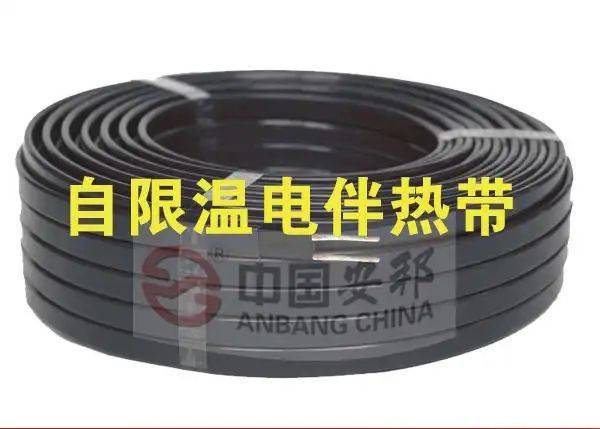
Free-temperature tropics
I. Rationale
Thermal elements of the tropics of the self-temperatured electricity are the core bands made from a squeezing of ptc materials, evenly between the two parallel metal terminals. After the ptc material has been melted out, cooled and shaped, the carbon particles scattered within it form an innumerable fine conductive carbon network. When they cross the two parallel main lines, they form the ptc of the core belt and link the circuit. When two parent lines at the end of the tropics are connected to the power source, the current flows horizontally from one parent line through the ptc material layer to the other to form and link the circuit. The ptc layer is an electrical retardant heater that is continuously and connected to the parent line, converts the electrical energy into thermal energy and provides heat protection to the operating system. When the core belt temperature rises to the corresponding high resistance zone, the electrical resistance is so large that the current is almost blocked that the core belt temperature is no longer elevated (i. E. Automatically limiting temperature). At the same time, the core belt is heated to a lower-temperature heated system through a shield, and the amount of heat delivered per hour at the time of stabilization is equal to the power of the tropics. The output power of the tropics is mainly controlled by heat transfer processes and the temperature of the heating system。
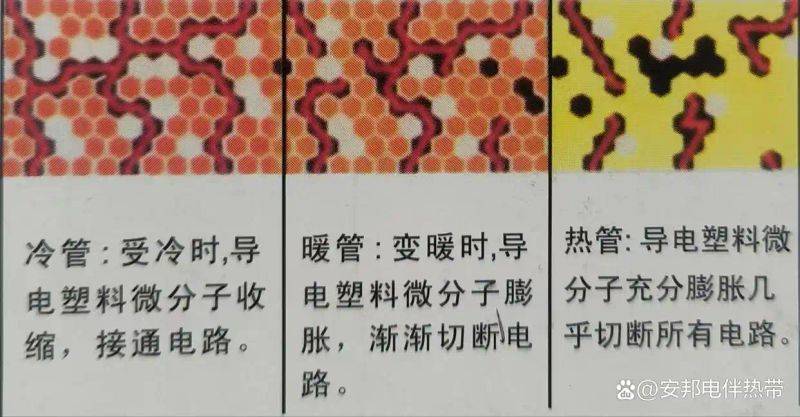
Ptc principles
Ii. Characteristics
The tropics automatically limit the temperature during heating and automatically regulate the output power with the temperature of the heater without any additional equipment; they can be reduced arbitrarily or extended within a certain length, and allow multiple overlaps without high-temperature overheating and burning concerns。
Advantages
1. Have blast-proof, all-weather working performance, high reliability and long life in service
2. Temperature is even and does not overheat and reliable
3. Availability of production equipment, adequate testing and rigorous quality assurance systems
4. Energy savings and low operating costs
5. The absence of leakage of electrical heat for environmental protection
6. Product quality is strictly closed, controlled and traceable
7. Low design workload, ease of construction and low maintenance workload
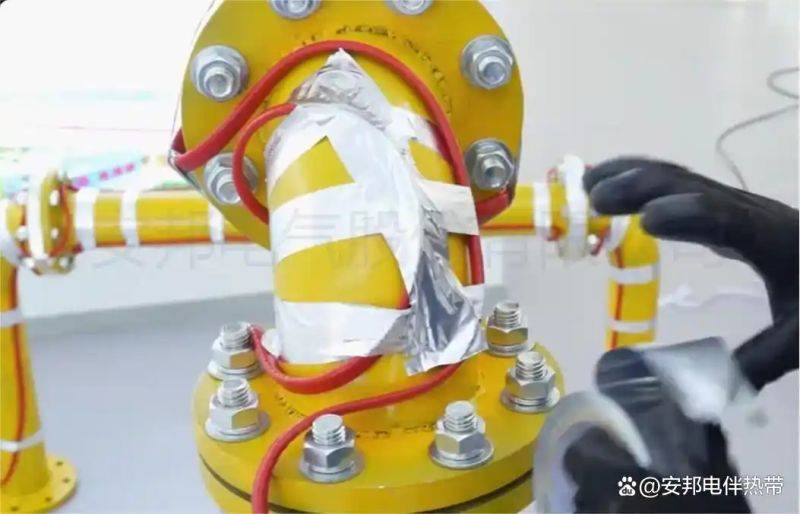
Construction convenience
Iv. Applications
Thermal corrosive, freezing and condensing combinations of pipelines, pumps, valves, tanks and tank capacity in the petroleum, chemical, electrical, pharmaceutical, mechanical, food, ship and other industries are widely used in the free-temperature tropics, and are the most advanced and effective methods of maintaining the temperature of the fluid pipeline, storage media tank. Electro-accompaniment tropics are applicable not only to various sites where steam is associated with heat, but also to solutions that are difficult to resolve, such as long pipelines with heat, narrow space with heat; unprescriptive equipment with heat; no steam source or pipe and equipment with remote areas; plastics with non-metal pipes, etc。
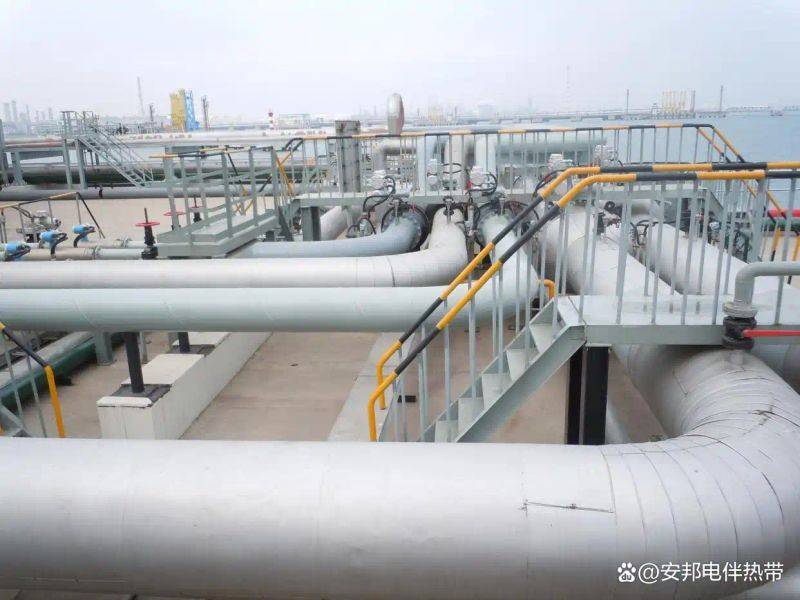
Oil pipeline
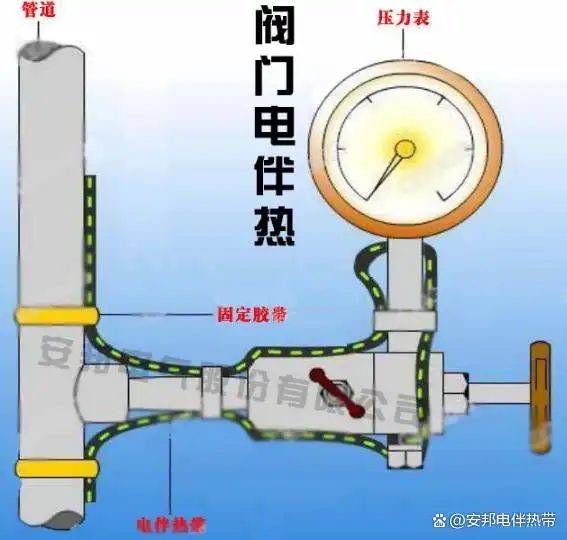
Valve temperature protection
In sum, the tropics of voltage are playing an important role in many areas, with their unique rationale, self-modulation and many advantages. As technology progresses, it will continue to provide better-quality solutions to the demand for temperature protection in industries and promote the stable development and efficient operation of the industries concerned。