01 summary of soilless cultivation
[definition of soilless cultivation]
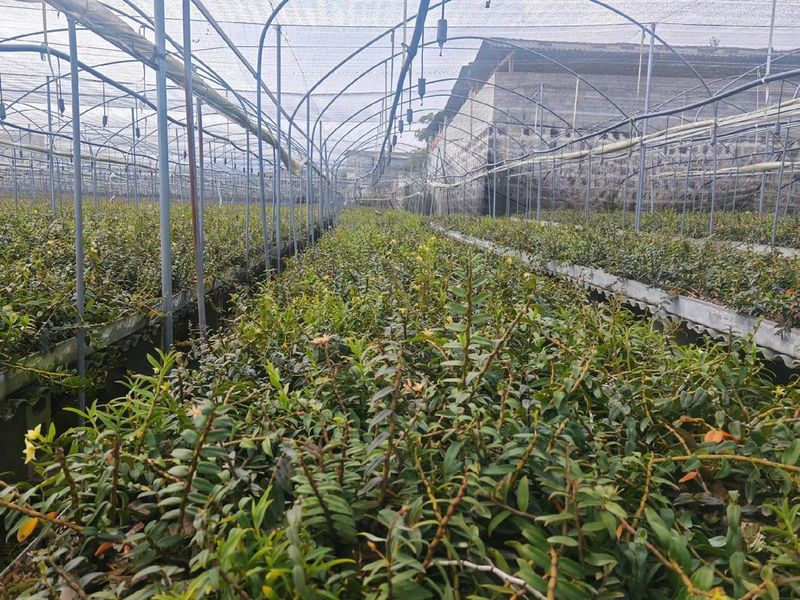
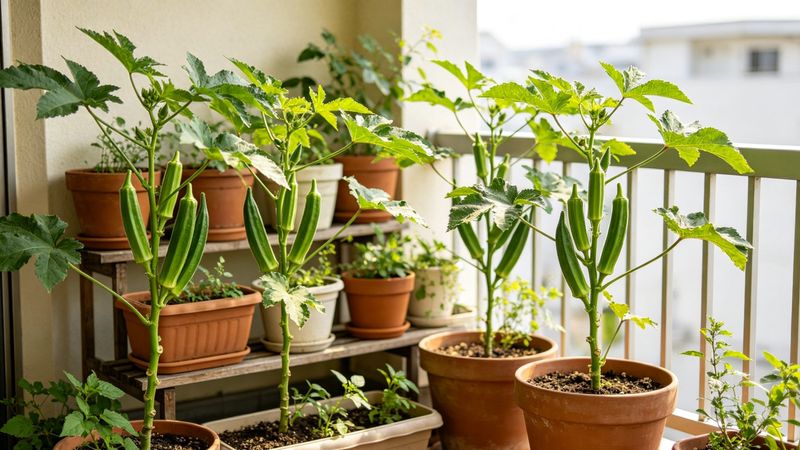
Landless farming, an innovative agricultural technology, has broken the dependence of traditional cultivation on soil. Soilless cultivation provides moisture and nutrients from trophic fluids that are not dependent on soil by planting plants using matrices or directly in the air. What is it that makes plants grow in the air? And then let's lift the veil of science and technology agriculture and explore the scientific principles and practical applications behind it。
Suitable vegetable choice
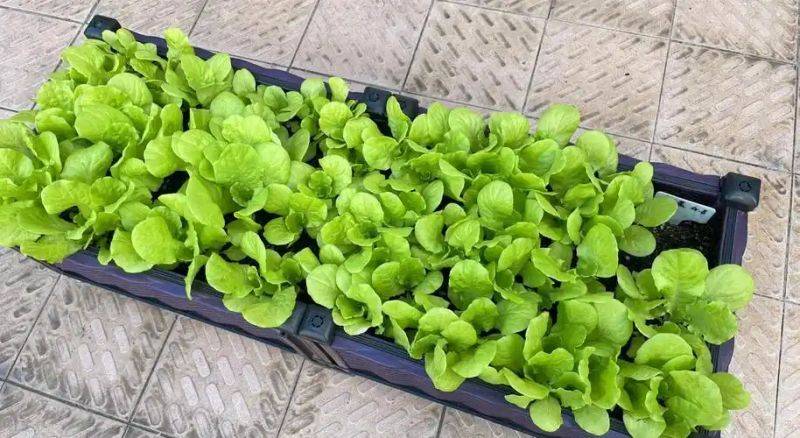
Caucasian vegetables are a good option for soilless cultivation because they have short growth cycles and are not environmentally demanding. As an ideal option for soilless cultivation, lettuce has a shorter growth cycle that takes only about 30 days to harvest. At the same time, lettuce does not impose stringent environmental conditions, making it the preferred vegetable for beginners to try soilless farming。
Unearthed cultivation process
1. 1 [preparatory phase]
First, a container suitable for soilless cultivation, such as plastic basins, foam boxes, etc., is selected to ensure that it has a drainage hole at the bottom to remove excess moisture and nutrients. Select suitable containers, prepare solutions for nutritional needs and install sensors to monitor environmental conditions. Next, depending on the nutritional needs of the lettuce, nutrients containing key elements such as nitrogen, phosphorus and potassium are prepared to provide the necessary nutrients for its growth. Finally, a range of sensors, including light, temperature, humidity, electrical conductivity (ec) and ph sensors, are installed to monitor and regulate the growth environment of lettuce in real time。
1. 2 [sowning and budding]
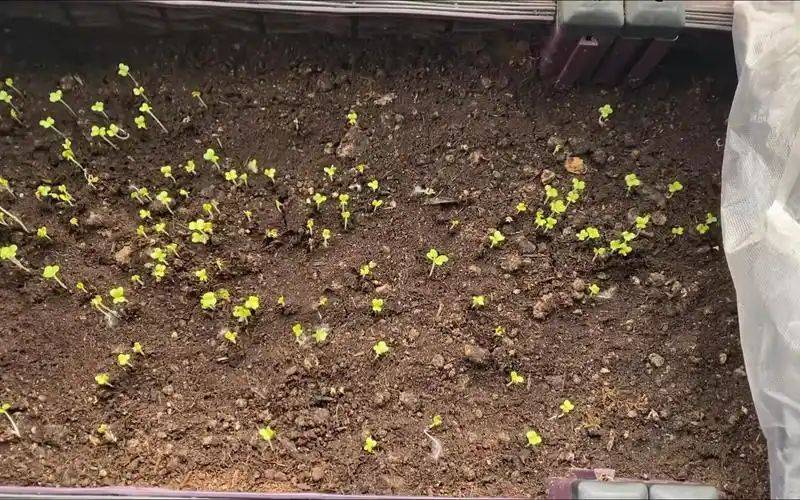
First, seeds are treated and immersed in warm water for about 12 hours to promote seed germinate. The seeds are then spread evenly on the wet matrix and cover a thin base. Finally, the seeds are given a suitable seeding environment, with a temperature of about 20 to 25°c and an appropriate humidity, which usually takes 7 to 10 days of careful care, so that the seeds can flourish. Treatment of seeds to provide environmentally suitable conditions for seeding。
1. 3 [multiculture and management]
When seeds are sprouts, and after a period of growth, the seedlings gradually grow two or three leafs. At this point, we need to transplant them into larger containers and maintain appropriate spacing to ensure that each seedling has sufficient space to grow. At the same time, we also need to continue to pay attention to environmental conditions, such as temperature and humidity, to ensure healthy growth of seedlings. The seedlings grow into larger spaces and maintain suitable space and environmental conditions。
1. 4 [elements of day-to-day management]
1. 5 [the time of harvest]
When lettuce leaves are fully developed and medium in size, the harvest time comes. Normally, it takes about 30 to 40 days from sowing to this point. The lettuce can be harvested when the leaves are spread and moderate。
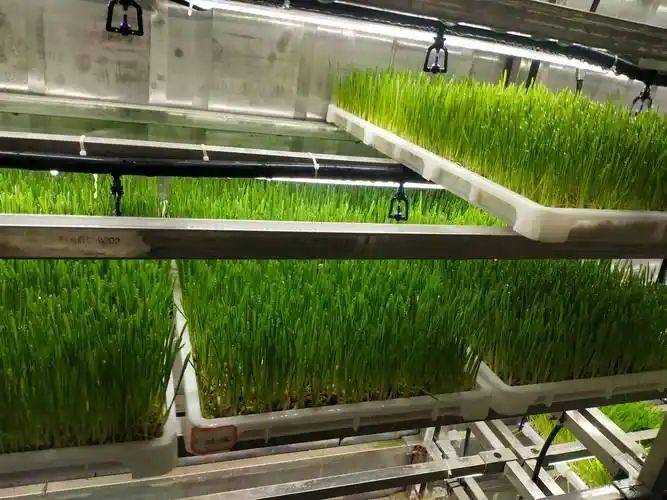
032. Analysis of impact factors
2. 1 [environmental factors]
Light, temperature and humidity affect the growth rate and quality of raw vegetables. Preparatory vegetables require sufficient light for photocooperative use to produce nutrients. If the light is not enough, the lettuce plant will become thin, affecting its growth rate and quality. Preparatory vegetables have some temperature requirements, and excessive or low temperatures can adversely affect their growth rate and quality. Appropriate humidity is essential for the growth of raw vegetables. High wetness can lead to disease, while low wetness can dehydrate raw vegetables and affect their normal growth。
2. 2 [nutrition factor]
Nutrient fluid concentrations and phs affect nutrient absorption in raw vegetables. Vegetable growth requires an appropriate amount of nutrients, with high concentrations that can burn roots and low concentrations that cannot meet the nutritional needs of lettuce, resulting in limited growth. The alkalinity of nutrients is essential for the nutrient absorption of raw vegetables. High or low ph can affect the normal uptake of nutrients in raw vegetables and thus hinder their growth。
2. 3 [management factor]
The aerobics and water conservation of the matrix, as well as the ventilation conditions, affect the health of raw vegetables. The basis for the growth of raw vegetables is essential for their health. The ideal matrix should have good air access and water retention capacity to ensure healthy growth of raw vegetables. Good air flow is essential to reduce the disease of raw vegetables, facilitate gas exchange and maintain an appropriate growth environment。
04 science and technology applications support
[sensor application]
Sensor technologies play an increasingly important role in the cultivation of raw vegetables. The various sensors assist in monitoring and adjusting the plant environment to improve product quality. Through sensors, we can monitor soil moisture, temperature and nutrients in real time, so that irrigation and fertilization are precisely controlled to ensure that raw vegetables grow under optimal conditions. This technology-enabled method of growing not only improves the quality and yield of raw vegetables, but also reduces resource waste and environmental pollution. Photo-sensors are used to monitor the intensity of light in real time and to promote healthy growth by auto-regulating the switch time of the recharge light to ensure that raw vegetables receive sufficient and appropriate light. Temperature and humidity sensors can track and monitor temperature and humidity conditions in the environment in real time. Through their association with air conditioners or wetners, they are able to intelligently adjust and maintain the most suitable conditions for raw vegetable growth. The ec and ph sensors are responsible for monitoring the conductivity and acid alkalinity of trophic fluids and trigger alerts as soon as trophic concentration or acid alkalinity is found to deviate from the appropriate range. Oxygen sensors ensure oxygen content around the roots and maintain a smooth breathing of the roots。
05 practice and exploration
[experimental design and data recording]
Different combinations of experiments are designed to keep track of environmental parameters and growth. Different combinations of experiments, such as adjusting the length of the light and the concentration of nutrients, can be developed to explore their impact on the growth of raw vegetables, while keeping track of and recording the daily environmental parameters and the growth of plantations。
Innovative attempts
Test new matrices and trace elements to improve the production and quality of raw vegetables. Attempts to use different planting matrices or add specific trace elements to explore the possibility of increasing the production or optimizing the quality of raw vegetables。
Concluding remarks and outlook
Integrating science and technology with soilless cultivation will be an important part of future agricultural development, reducing resource waste and pollution. Landless cultivation, a both interesting and forward-looking scientific practice, is increasingly becoming a key area for future agricultural development. With scientific and technological power, we can use resources more wisely, while reducing environmental pollution. May this study tour lead you to the infinity of agricultural technology and ignite your deep interest in plant growth and environmental protection。