Today, with industrialization, especially with the rise of the tertiary sector, the secondary sector is constantly being modernized, and pressure sensors are also benefiting from wireless pressure sensors。
So what does wireless pressure sensors do
Wireless pressure sensors use the pressure-resistance principle, and their core component resists the film as a sensitive device that converts the variability from the device to a telecommunications number。
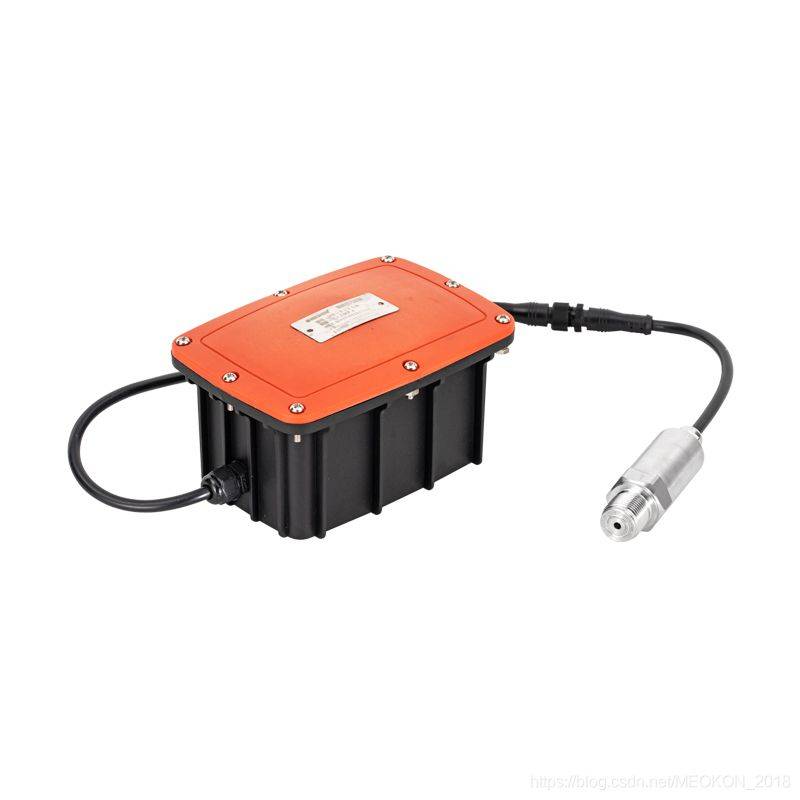
Md-271 smart wireless sensor terminal side 800x800. Jpg
Resistors are one of the main components of sensors. Usually, the transformer is adhesively adhesive to the generation of the mechanics-reform matrix through special adhesive adhesion, and when the receptivity of the matrix changes, the resistance-resort-resort-resort-resort-resort together produces a shape-form, changing the resistance value of the transformer and thus the voltage added to the resistance. The resistance changes in the form of resistance in the form of a transformer bridge。
Such wireless pressure sensors are suitable for gas and liquid pressure measurements and even include sewage, vapour, light corrosive liquids and gases。
Wireless pressure sensors are one of the most commonly used pressure sensors in industrial practice and are commonly used in hydrological monitoring and control systems; oil, chemical, environmental, plumbing and so forth; heating systems; medical equipment; intelligent water; and other automated and detection systems。
During monitoring, pressure sensors can convert a pressure signal (usually a liquid or gaseous pressure) to an output telecommunications number, which can then be used to measure the liquid level of a static fluid and thus the liquid level。