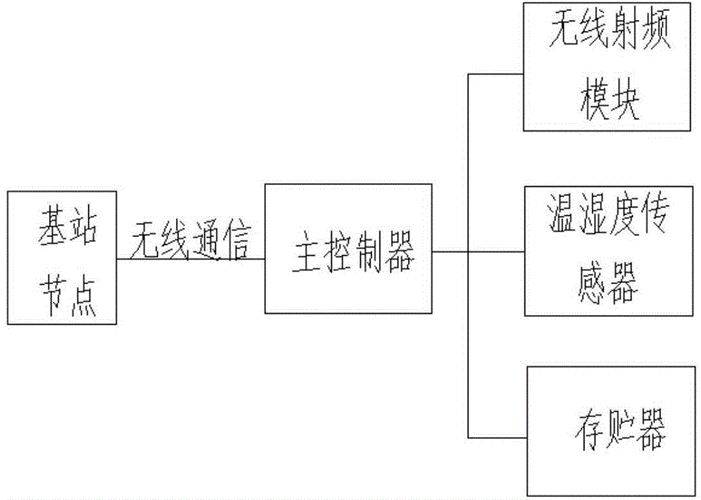
The design mission for the course design of the contents catalogue of wireless sensors basics course based on wireless sensors and the implementation of the results of the experiments and analysis summary and outlook introduction 010102 wireless sensors profile the advantages of wireless sensors, such as non-wireless, installation-friendly, mobile and flexible, have been widely applied in such areas as material networking, intelligent homes and environmental monitoring. Wireless sensors are a sensor capable of transmitting data via wireless communication, usually consisting of sensor modules, microprocessors, wireless communication modules, etc. Wireless sensors can serve as an important component of the networked sensory layer for the intellectual perception and monitoring of various items. Wireless sensors for monitoring the home environment, household electrical equipment, etc. Can be used for intelligent control and management. Wireless sensors can be used to monitor environmental parameters such as air quality, water quality, soil composition and provide data support for environmental protection. The field of wireless sensors applications enhances practical capabilities and innovative thinking through curriculum design based on wireless sensors to equip students with the principles, applications and development of wireless sensors. Students are required to design and implement a system based on wireless sensors, perform tasks such as system hardware selection, software programming, data acquisition and transmission, and prepare corresponding course design reports. The course design purpose and requirement for the purpose of wireless sensor basics 02 wireless sensor works primarily on the basis of the launch and reception of electromagnetic waves. Sensor nodes transmit and receive wireless signals through built-in antennas to achieve data transmission. Sensor nodes typically include components such as sensor modules, microprocessors, wireless communication modules and power sources. Sensor modules collect environmental information, microprocessors process data, wireless communication modules send and receive data, and power provides energy for the entire node. Wireless sensors can be classified according to different application needs such as temperature sensors, humidity sensors, pressure sensors, light sensors, etc. Selecting the appropriate sensor type according to actual needs increases measurement accuracy and stability. In selecting wireless sensors, factors such as their measurement scope, accuracy, stability, utility, size and cost need to be considered. There is also a need to consider the compatibility and interoperability of sensors with other equipment. Wireless sensor classification and selected wireless sensor networks typically consist of multiple sensor nodes that form a self-organized network through wireless communication. The nodes in the network can communicate with each other and work together on environmental information collection and data processing tasks. Wireless sensor network structures typically include sensor nodes, congregate nodes and gateway nodes. Sensor nodes collect environmental information and send it to the conglomerate nodes, which aggregate the data and send it to the gateway node, while the node is responsible for transmitting the data to the remote control centre for further processing and analysis. The wireless sensor network architecture course design mission and the implementation of the 03 design and realization of a system based on a wireless sensor network for monitoring environmental parameters (e. G. Temperature, humidity, light, etc.). Target systems should be equipped with real-time data acquisition, transmission and processing functions that can be adapted to changes in environmental parameters. The mission requires the completion of a functional wireless sensor network system with practical application value. The expected accomplishment design mission outlines the build-up of the 010204 hardware platform to select the appropriate wireless sensor nodes, such as temperature sensors, humidity sensors, light sensors, etc. Design communication protocols between nodes to ensure reliable transmission of data. Build hardware platforms, including nodal layout, nodal installation and the laying of inter-node communication lines. Hardware platforms are tested to ensure that nodes are functional and that wireless communications are achieved. 03 select the appropriate programming language and development environment, such as python, ardinoide, etc. Designing data acquisition procedures to achieve regular collection and distribution of sensor data. Design data processing procedures to process and analyse incoming data for real-time monitoring and adjustment of environmental parameters. Develop user interfaces to facilitate user access to real-time data and system status. The 01020304 software is programmed to achieve regular collection of sensor data to ensure the real-time and accuracy of the data. Further analysis of processed data, such as statistics, comparisons, etc., to identify trends and anomalies in environmental parameters. Pre-processing of collected data, e. G., filtering, noise, etc., to improve data quality. The processed data are stored in the database to facilitate subsequent data analysis and excavation. Data collection and processing experimental results and analysis04
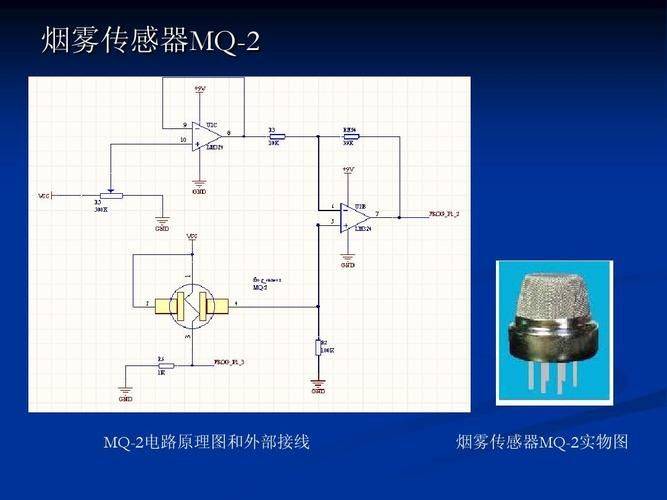
Data collection results show temperature data through a wireless sensor network, and we have been successful in collecting indoor and outdoor temperature data and showing them in real time on the surveillance interface. The same is true of moisture data, which are collected indoor and outdoor and monitored in real time. The optical data wireless sensor is also capable of collecting indoor and outdoor light intensity data, providing the basis for subsequent data processing and analysis. In the raw data collected, we have cleaned the data to remove the abnormalities and noise and to ensure the accuracy and reliability of the data. For better data analysis, data cleansing involves the necessary conversion of raw data, such as temperature and humidity data into more understandable forms. By comparing data at different times and in different locations, data conversions have led to an in-depth analysis of the impact of environmental factors on sensor nodes performance. Data analysis data processing compared the results with theoretical values and found that the results were largely consistent with theoretical values, confirming the viability and accuracy of wireless sensor networks. On the basis of the comparison, we discussed in depth the results of the experiment, analysed the factors that could influence the results and proposed improvements. The results of the discussions were compared with the summary of discussions and vision 05 technology achieved in the course design, and we successfully achieved data acquisition and transmission using wireless sensor technology. By selecting suitable sensors and communication modules, we can monitor environmental parameters in real time, such as temperature, humidity, light, etc., and use wireless communications technology to send these data to the top machine for presentation and analysis. Team collaboration has resulted in an effective division of labour and cooperation among team members during project implementation. Through regular discussions and exchanges, we have resolved many technical difficulties and jointly accomplished the project mandate. This spirit of teamwork is important for future learning and work. The problem was solved by unforeseen problems in the course of the project, such as sensor signal interference, data transmission stability, etc. By accessing information and trying different solutions, we have succeeded in resolving these problems and improving the overall quality of the project. The curriculum outlines the dynamic growth of the smart home market as the standard of living improves. Wireless sensors, as an important component of an intelligent home, can achieve real-time monitoring and control of the family environment, increasing the comfort and safety of the inhabitants. In the area of environmental protection, environmental monitoring02 can be used by wireless sensors to monitor parameters such as air quality, water quality, soil composition and provide a scientific basis for environmental protection and governance. In industrial production, industrial automation 03 can be used by wireless sensors for monitoring the state of equipment, control of production processes, etc., to improve production efficiency and product quality. With the development of large data and artificial intelligence technologies, wireless sensor data will be processed and analysed in greater depth to extract more valuable information. The performance of wireless sensors will be further enhanced with the development of new materials and processes, such as greater sensitivity, smaller volumes and longer useful lives. Wireless sensors will be connected to more equipment and applications to achieve broader data acquisition and remote control functions, as the technology of the internet is available. Future research directions and perspectives