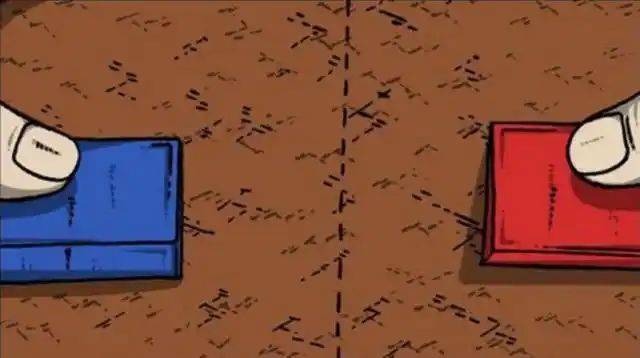
Magnets, we remember very well when we were kids. It's a magical thing. After the magnetic battle in the classroom, two magnetic fighters took one magnet each, put it on both sides of the middle line, and when the referee ordered both sides to let go, the magnets that crossed the border would be taken away, and they would be happy. In the cartoon cats and rats, you can also see that tomcats are badly beaten with magnets by jared rats。
When we grow up, we can't live without it, with the magnetic suspension train, the hospital's magnetic resonance, the sound horns, the electromagnetic cannons that countries in the military struggle to develop ... The magnets have so many magical functions, and today we want to know。
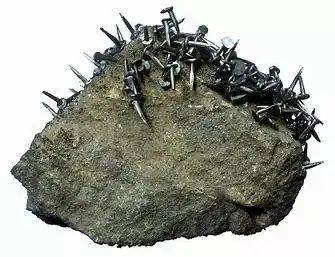
The magnet we usually know is an object that is mutually exclusive and attractive. Magnetics consist of iron, nickel and cobalt, with their own magnetic distance, with internal structures organized in the same direction, with one end of the arctic (n pole) at the end of the antarctic (s pole)。
So why aren't there many things in nature that aren't magnetic? Iron, nickel, and the magnetic material in cobalt are different, and its internal electronics can be organized in a consistent, spontaneous direction, making magnetization more magnetic。
The magnet-sorture process attracts the iron blocks, and the magnets are “gold” with the iron, so we say that the magnets have the magnet, which means that magnets can suck the iron instead of aluminium, copper, etc., and the internal structure of different metals is different. The magnetic intensity unit is tesla, short (t)。
Magnets are divided into permanent magnets and non-permanent magnets, which are natural products, such as magnet mines, capable of long-term magneticity without loss of magnetism. Non-permanent magnets require certain conditions for their magnetic appearance, such as electromagnetics。
Magnetic development:
Humans discovered natural magnets 5,000 years ago. Before 2300, the chinese had sharpened their natural magnets into spoons, placed them on a smooth ground, and, with the help of geomagnetics, guided them as the world's first guide. A thousand years ago, the chinese made the world's first compass by rubbing it with an iron bar. In about 1100, the chinese used magnetic needles and azimuth as magnet guides for navigation. In 1820, danish physicists found electron influenza to be dynamically magnetic. New magnets for nickel, aluminium, cobalt-mixed elements were found in japan in the 1930s. In the 1970s, japanese scientists invented a magnet called the king of eternal magnetism。
The process of making a permanent magnet
Cult
A sand model with a magnetic shape can be formed first, with materials such as copper, cobalt, sulphur, nickel, iron, aluminium and titanium. Metals are placed in electromagnetic furnaces, heating to above 1,600°c and all metals are melted into liquids。
When the solution is poured into the sand model, it is burned because the rigid internal gas is flammable。
Crushing the casting with a hammer allows the air to enter the cooling material within the casting and the gas to burn out. The metal is separated from the sand, and the cast metal is common iron, without any magnetic force。
Metals are tied to copper pipes, placed in larger pipes, brass pipes are placed in the middle, and sands are piled around them, and both ends of the copper pipes are shown in mud。
When heated in the furnace at 700°c, heighted, fixed at both ends of the copper pipe with clamps, passed low-pressure high-charge currents, and then removed metal pieces, a step that allowed the metal parts to be slightly magnetic and correctly set the magnetic field direction。
By charging the magnets, the machines pass the magnets to the metal through the current. The power exchange is followed by a high voltage charge (storage capacity) and discharge through a very small wire. The current peak is high, reaching tens of thousands of amperes. A powerful magnetic field produced by electromagnetics can make metals permanently magnetic。
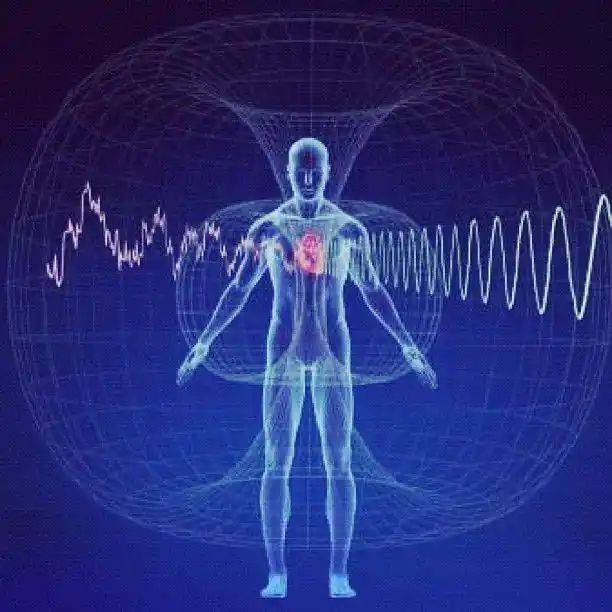
Any questions about the magnets being radioactive? Indeed, the earth is a large magnetite, and humans are exposed to magnetic fields from time to time, with varying degrees of micromagnetic field in the human body, and weaker and stable magnetic fields are good for the human body. The magnet produces only a constant magnetic field, not a radiation field, but a magnetic field。
It is also known as the most powerful magnet at present, which absorbs 640 times its weight and is called the strongest magnet. High hardness and stable performance are widely used in electronic products such as hard drives, mobile phones, headsets, etc。
Note that the iron is made of burning, while the normal magnet is a casting process, which makes the surface rusty because of its contents and iron, and requires some protective electroplating, which is also a disadvantage。
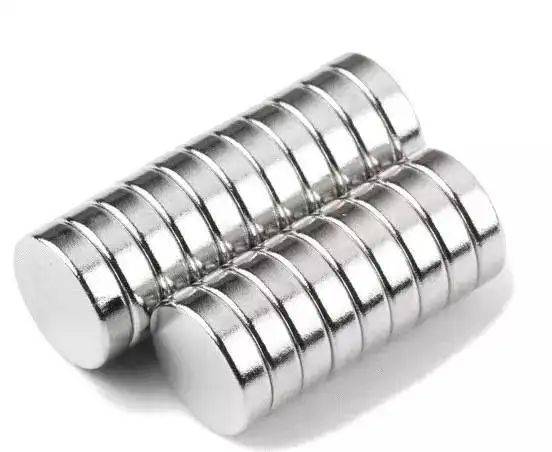
When we use magnets, we find that the stronger the magnetic force, the more fragile it is due to its physical properties. Magnets are made of powder sinters in the production process, with long sinters, which are ingrained and inflexible。
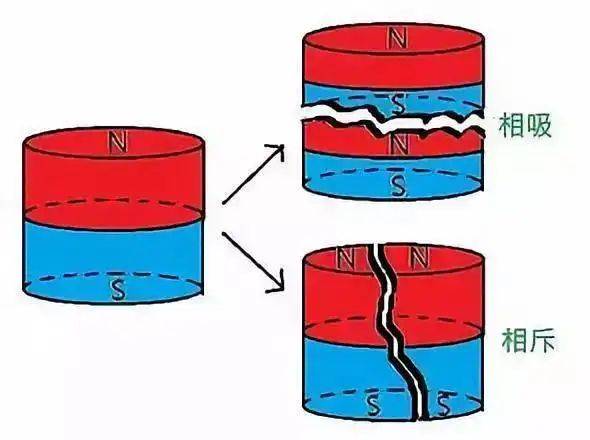
Insorption by magnets under a strong magnetic field can also give the magnets a significant reaction, which can easily be broken when confronted with other hard objects. Every small piece of magnet remains at the s-n level after it breaks, because the magnet pole of any magnet is always paired, and fragmentation does not separate its arctic from its antarctic, and each piece of magnet has its own diodes, however small。
Let's talk about high-tech military weapons, electromagnetic guns. It installs a wire inside the barrel, which is powered with a strong electromagnetic field power, which accelerates the activity of the projectile and sends it out. The speed can be as high as 11 km/s, allowing any target to disappear in an instant, and its shells are ordinary metal bullets at very cheap prices。
Report! It's beautiful
The man fell asleep in a burglary and the police came..
15 kilometers, 20 minutes, 24 hours
Source: mechanical front (id:jixieqian)
Producer: yu waia