On june 29, the european union summit, which was very high-profile because of britain’s withdrawal from europe, entered its second day, and, unlike the eu summits of the past four decades or more, the united kingdom, which was once known as the eu troika, was absent. Eu leaders discussed the question of british de-europeans and the future of the eu。
British prime minister cameron attended the eu summit on 28 september, and in the absence of britain, leaders of the remaining 27 eu member states continued the informal summit. Unfortunately, the issue of the british exit from europe has become an absolute central issue at this summit. Following the meeting, the eu issued a statement demanding that the british “de-unification” must proceed in an orderly manner. Consistent with the spirit conveyed at last week’s eu founding foreign ministers’ meeting, the leaders of the 27 member states also asked the uk to do everything possible to shorten the lead time for “departure” and to inform the eu as soon as it is ready that the eu will engage in “de-unification” negotiations with the uk as soon as possible, so as to avoid dragging the mud to add more uncertainty to the eu. In addition to this, the eu's statement explicitly called on the united kingdom to put an end to the illusion of “skinning”, which would then enter into a new agreement with the eu as a third country, “which would have to accept the free flow of goods, services, capital and labour in the eu single market”。
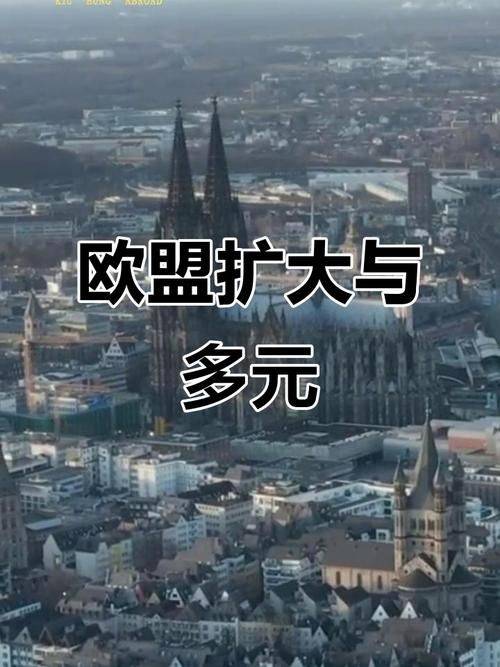
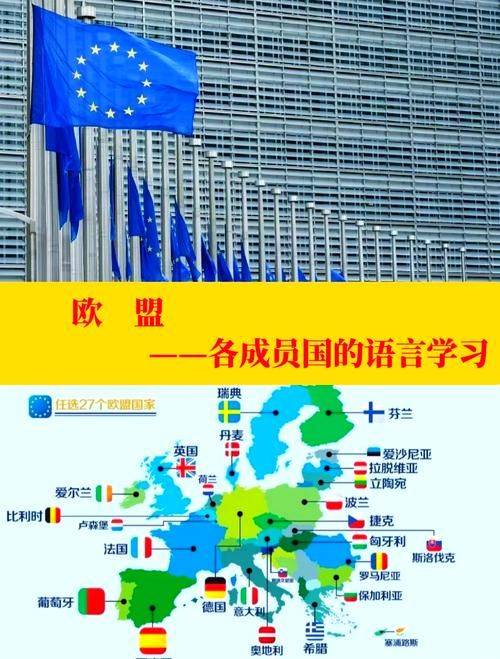
In order to ensure fair treatment of each member state, the european union provides that every state has the right to include one of its official languages as an official language of the european union. So, if you open the eu web page, you'll find as many as a dozen versions. However, thanks to the influence and popularity of english and french, most eu documents are printed in both languages。
In the case of the united kingdom, english is included in the official language list of three eu member states, the other two being malta and ireland, respectively. However, for the sake of the symbol of sovereignty, in informing the eu of the official language, the two countries chose maltese and gaelic, respectively, meaning that no member state would have english as the official language after the british left the eu。
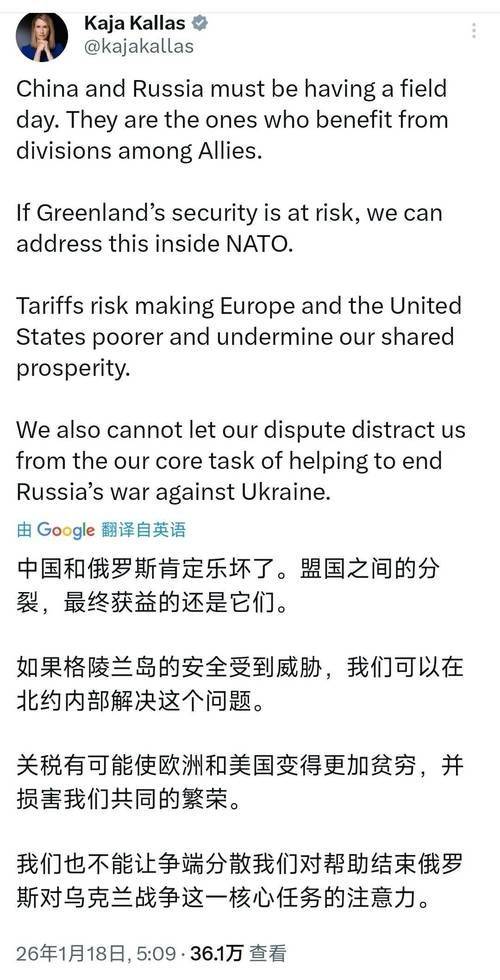
It was reported that the european union was considering removing english from the official language of the european union after the results of the british referendum had been published. The president of the constitutional council of the european parliament, danuta schobuna, said: “english is our official language, because it is a british bulletin, if it leaves us. We don't need english."
It may be the germans who are most pleased with the kick-out of english, since germany has for many years wished to include german as a “working language” along with english and french. It is interesting to note that, at the summit, the president of the european commission, junk jönke, on the grounds that he did not speak well in english, refused to speak in english as usual and chose french and german instead。
But is it ironic that, in view of the prevalence of english, the european union may in the future still speak english as its first working language in order to facilitate its work? This is berlin, june 30th