Epoxy resin is a high molecular polymer with a molecular formula (c11h12o3)n. Is the aggregate name of a polymer in a molecule containing more than two epoxy groups. It is an indentation product of epoxy-chloropropane and diphenol a or polyols. Due to the chemical activity of the epoxy, it is a thermo-condensive resin that can be encircled with a variety of compounds containing active hydrogen, and that can be consolidated into a mesh structure. The difference with epoxy compounds is that epoxy resins contain more epoxy and are capable of transitioning from flow dynamics to solid state with varying degrees of strength under certain chemical reagents。
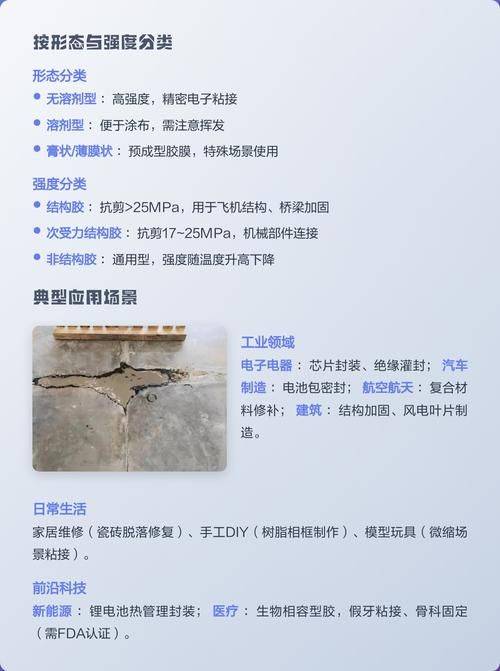
The classification of epoxy resins is currently not harmonized, generally by strength, heat-resilient grade and characteristics, and there are 16 main species of epoxy resins, including general glue, structural glue, high-temperature-resistant glue, low-temperature glue, water and humid surface glue, conductive glue, optical glue, welding glue, epoxy resin film, hair-jet film, mutilative glue, soft material adhesive glue, sealed glue, special glue, latent solidified glue, and wood building glue。
Class 6 by chemical structure:
1 epoxy resins, aqueous glycer ether, are the most produced and used in epoxy resins and can account for more than 80% of the total epoxy resins。
2 dehydrated glycerine epoxy resin。
3 dehydrated glycerine epoxy resin。
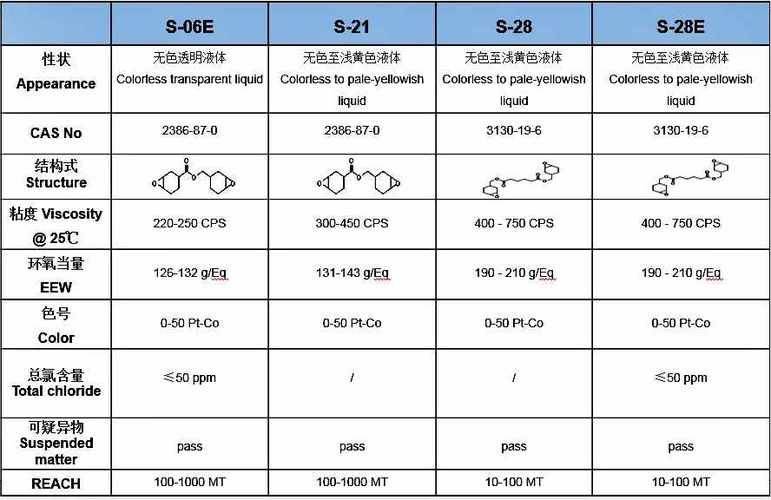
4 the epoxy resin is relatively yellow-resistant and resistant compared to other epoxy resins。
5. Epoxy epoxy resins, which are a straight chain molecular structure, have a good degree of flexibility。
6 new epoxy resins, which are new types of epoxy resins that have emerged as a result of the development of epoxy resins, such as epoxy resins in the sea, epoxy resins in alamide, epoxy resins in organic silicon, polyester epoxy resins, etc。
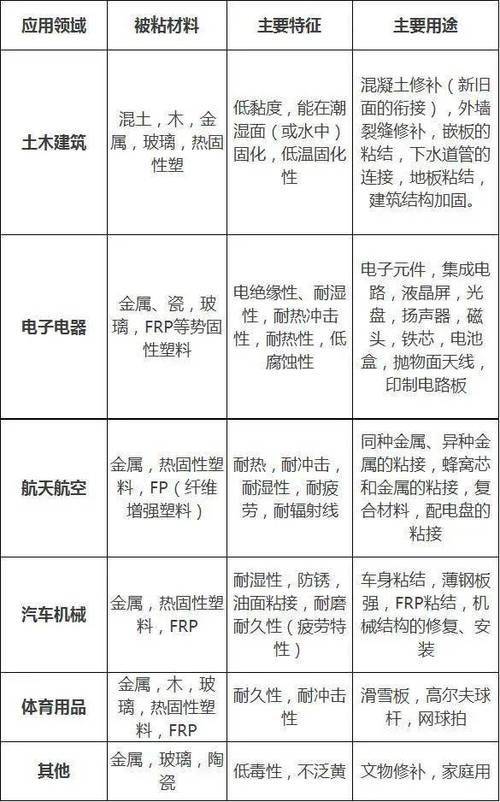
Epoxy resin applications: the epoxy resins have a variety of official structures that also give them excellent performances, such as adhesive, corrosive, formation and thermal stability, and are highly superior in terms of power, heat, electrical and chemical resistance. Its excellent quality allows it to be widely used in the areas of glue, paint, electrical, electronic, optical machinery, engineering, civil construction and the manufacture of cultural and cultural goods。
In the field of paint, for example, it can be used as a coating and preservative for automobiles, containers, plant equipment, civil buildings, ships and other materials; it is also widely used, for example, as a glue, in aircraft, cars, optical machinery, electrical and electronics, railway vehicles, civil buildings, etc。
In addition, epoxy resin, as a major component of the formative material, also plays a significant role in appliances and tools. It is no exaggeration to say that epoxy resin is used directly or indirectly in almost all industrial areas。