Basic brief
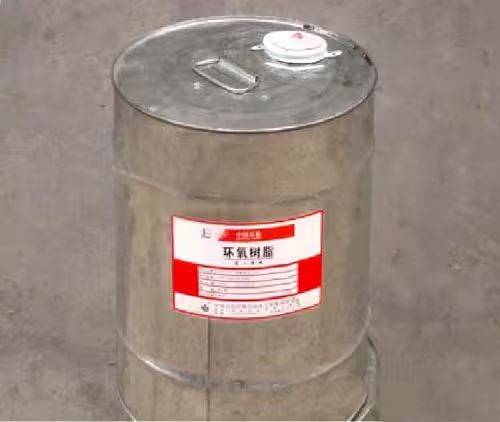
Epoxy resin
Epoxy resin is an organic high molecular compound containing two or more epoxy cells in a generic molecule, which is of low relative molecular mass, with few exceptions。
The molecular structure of epoxy resin is characterized by a lively epoxy tissue in the molecular chain, which can be located at the end of the molecular chain, in the middle or in a ring structure. Due to the presence of lively epoxy groups in molecular structures, they can interact with a variety of types of solidants to form insoluble, insurgent high-polymers with a three-way mesh structure。
High molecular compounds containing epoxy groups in molecular structures are collectively referred to as epoxy resin. The solidized epoxy resin has good physical and chemical properties and has excellent adhesive strength on the surfaces of metals and non-metal materials, good adhesive performance in the medium, low reduced contraction rates, high product size stability, high hardness, better flexability, stability for alkalis and most solvents, and is therefore widely used in various sectors of national defence, national economy, such as inflammation, impregnation, layer pressure, adhesives, coating, etc. Two
Since 1958, china has been conducting research on epoxy resin, which has been being used for industrial production at a rapid pace. To date, it has flourished throughout the country, producing new types of epoxy resin, in addition to the generic binol a-epoxy epoxy resin, in order to meet the urgent needs of the defence and national development sectors。
Material characterization: solidification, robustness, low contraction, chemical stability, fungus resistance. The process is simple, free from excessive pressure, good insulation, resistant to chemical corrosion, and better oil and solvent resistance。
(b) must be used in conjunction with solidifiers。
According to information in the china epoxy market landscape survey 2013-2018 and future trends report, production of epoxy resin is concentrated in three regions, china, japan and europe, with korea, the united states, taiwan, thailand, south africa and venezuela. The continent's productive capacity accounts for about 60 per cent of the world's total productive capacity。
Nevertheless, the enormous market potential still provides space for the survival and development of domestic enterprises. China's epoxy resin capacity is expected to grow further in the future. Over the next 5-10 years, china's epoxy industry will be further regulated, and enterprises with high production costs, environmentally inadequate and low product grades will be eliminated. At the same time, the accelerated development of the domestic pillar industries, such as the automobile sector, the information industry, the energy, transport and construction industries, has created unlimited business opportunities for the epoxy industry, all of which are dynamic sectors for the application of epoxy resin, with significant market demand for epoxy resin。
History
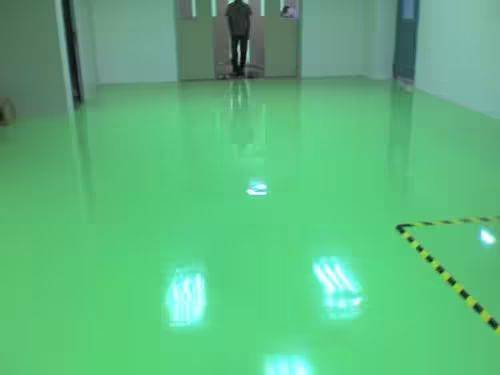
Epoxy resin
Aquatic epoxy resin
The epoxy resin was invented for a considerable period of time. As early as 1891, the german lindmann reacts with phenol and epoxy chlorpropane, condensed into resins and stabilized with acetic anhydride. But its usefulness has not been revealed. In 1930, pierre castan of switzerland and s. O. Greenlee of the united states carried out further studies to stabilize the above-mentioned resins with organic polyamide, which showed a high degree of adhesive strength, which was of interest. More broadly, epoxy resins can be synthesized from parent compounds that contain chainyl or from parent compounds that contain active hydrogen atoms. The cyclic oxidation of alkanes was first reported at the beginning of the twentieth century, but until the mid-40s, when swern and his partners in the united states department of agriculture began studying cyclic oxidation of unsaturated natural oils, the technology was also applied only to the production of high-relative molecular mass monocyclic compounds and attracted interest in extensive industrial scale development。
10 years after application in epoxy resin synthesis technology. Biphenol a and cyclooxychloropropane reaction products were reported around the mid-2020s, with 15 years later the first production techniques for unstable cyclic fatamine intermediates. Schlack, germany, in 1933, studied the separation techniques of modern biphenol a epoxy resin from diphenol a. Although one year later schlack reported on the reactions of bicyclic compounds to organic acid, inorganic acid, ammonium and sulfurol, the industrial value of biphenol a epoxy resin was determined by castan of de trey frereres, switzerland, and greenlee of devoe & rayno1ds, united states. In 1936, castan produced amber epoxy chloropropane-bisphenol abdominal resin and, in response to acetic anhydride, produced industrially relevant thermosolid products for casting and modelling products. Greenlee also produced high-molecular-quality hdpa chloropropane resin on its own in early 1939 and was used in advanced thermofixion paints. Attempts to refill teeth with epoxy resin were unsuccessful in europe from 1937 to 1939。
In addition, epoxy resin technology was not fully developed prior to the second world war. Shortly after the war, devoe & rayno1ds began to experiment with paint resin, while ciba, with the permission of de trey freres, began to further develop liquid epoxy resin for liquid paints, laminated material and adhesives. Basic patent authorization for castan, 1943. However, the first manufacture of epoxy resin of industrial value was completed in 1947 by devoe-raynolds in the united states, which opened the technological history of epoxy-chloropropane-bisphenol-a resin, which has begun to be industrialized and is considered to be a technological advance better than the old phenol resins and polyester resins. This resin is almost comparable to the performance of most other thermo-consolidated plastics and has better performance than phenol and cheese in some special applications. The industrial production and application development of epoxy resin began shortly after the swiss company ciba, shell and dow in the united states. In the late 1950s, two major united states companies, the carbars and devoe-raynolds, continued to study epoxy resins of condensed glycerine, with shell chemical providing only epoxy-propane, union carbon plastics first producing phenol resins and biphenol a, and european sodas and shells concentrating on epoxy resins。
In the summer of 1955, four basic epoxy resins were licensed for manufacture in the united states and dow chemical co. And reicho1d compounds established epoxy resin production lines. A number of new epoxy resins were introduced in parallel to the normal binocol a epoxy production applications. For example, ucc began selling epoxy resin in 1956 and dow chemical produced phenol epoxy resin in 1959. Around 1960, koppers, co. Produced epoxy of ecstasy, and in early 1965 the car started producing and distributing the resin. During the period 1955-1965, the quality of epoxy resin was significantly improved, and the phenol aepoxy resin has all the card numbers of the average relative molecular mass level. The phenol epoxy establishes the superior performance of a visible high temperature resistant application. Shell chemicals inc. And ccp manufactures special temperature resistant resins such as phenol-condensed glycerine ethers, and manufacturers provide adipose polyols (hmes) peroxychloropropane resin. Unio carbide has developed triglyceride resins for aminophenol. The 1957 patent on the synthesis process of epoxy resin was requested by shell developmentmet co. The patent studied the application process methods for solidifiers and filling agents and revealed the application of epoxy resin solidifications。
The epoxy resin synthesis of peracetic acid was originally introduced by ucc in 1956 and resold to ucp in 1964. In europe, the industrialized epoxy epoxy resin was introduced in the early 1960s, introduced in the united states in 1963 through the gas company, introduced in 1965 a large variety of polyoperoxide in carbon-coated plastics, and in 1960 fmc corp. Began to distribute cyclobutadiene. In the mid-70s, the united states, canada, the united kingdom, switzerland, west germany, belgium, argentina, mexico, poland, czechoslovakia and the soviet union began to manufacture biphenol aepoxy resin and some new epoxy resins. An electronic-level application of low chlorine content was initiated in the 1970s, followed by the development of flame-retarded epoxy resins such as epoxy, hydrated biphenol a epoxy and tetrabromobisphenol a epoxy. In the 1980s, new multi-organium epoxy resins were developed to meet the industrial needs of composite materials. Aquatic epoxy resins and dense rings resistant to temperature and humidity were also developed. As a result of the increase in epoxy resin varieties and the development of application techniques, there have been breakthroughs in epoxy resin applications in the fields of electrical insulation, preservation paints, metal structural adhesion: as a result, epoxy resin has flourished as an industry; its varieties and applications are still active. Since 1960, hundreds of epoxy resins have been industrialized, and 40 to 50 different structures of epoxy have been commercialized or made available by intermediate testing plants, accompanied by more than 100 industrial solidants and a large number of modifications and diluents that are applicable。

Epoxy resin