You buy cars in america, you pay for them. It's the real problem in the day when tariffs are so loud and car prices are still rising. Trump's 100 per cent tariff on chinese cars this time looks like a hard trick, with negotiating chips in it。
On 13 april, trump publicly stated that he would use 100 per cent of the tariff to block chinese cars. Markets are fast ahead, and many people have taken it as a new shock. It's hot and emotional。
The high tariffs imposed by the united states on chinese electric vehicles have long fallen. Trump rephrases the old policy this time and wraps it in new action. For those who do not look at the timeline, there is a real risk of miscalculation。
The reality is that chinese brand cars are not very well sold in the united states. High tariffs are there, cars can't get in, sales can't get up. Putting tax rates above 100 per cent limits the change to the status quo。
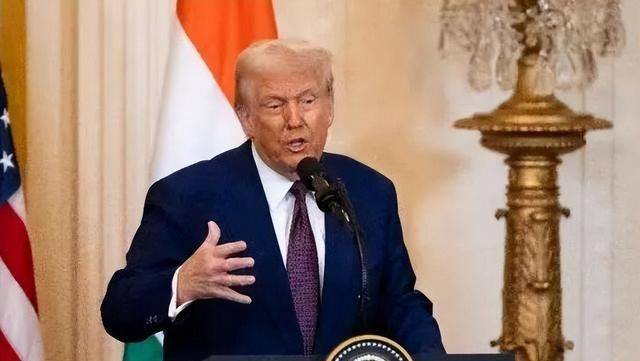
Another clue is often ignored. Trump arranged a visit to beijing from 14 to 15 may. The point of time is close, the subject of customs duties is like an advance card, which can be used at the negotiating table for prices。
This is no stranger to his negotiating style. First, raise your position, create pressure, and then turn around. A step back can also be described as a “replacement of conditions” and a domestic narrative。
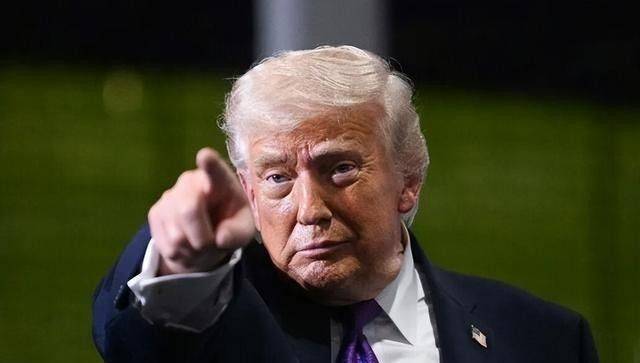
I prefer it to be an “advantageable” arrangement. Words can move, but focus on the meeting itself. For politicians, images and language are often put ahead of agreements。
Then talk about iran. Trump put forward an additional condition: if china were found to be sending weapons to iran, the united states would impose an additional 50 per cent tariff. On 14 april, the ministry of foreign affairs of china responded to “purely fabrications” and stated that if the united states side persisted, it would react resolutely。
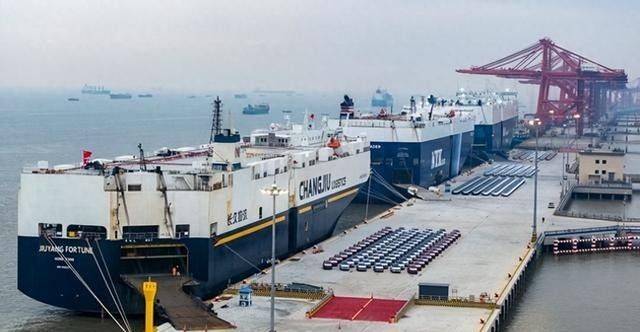
Some hawks in the united states prefer to put two things in the same narrative while talking about “industrial protection” and “security risks”. This is good for domestic mobilization and it is hard for opponents to speak, at the expense of hardening the negotiating table。
From the perspective of united states trade unions and traditional motor companies, they also have a saying. They are concerned about cheap imports impacting employment and the external control of supply chains. They promote high tariffs, not only for profit, but also for votes and posts。
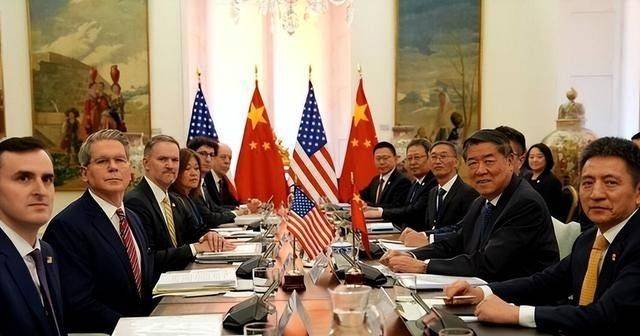
The united states organization for the automobile industry has assessed and discussed the possibility that, under some cost structures, even with 100 per cent tariff overlay, terminal prices for some chinese cars may still be attractive. The “protection” of tariffs becomes “delayed”。
You'll find the core of the debate is not the slogan, but the gap. Gaps arise from batteries, software, supply chain synergies, and manufacturing efficiency. Taxes are the only way to block it, and it's the only way to cover it。
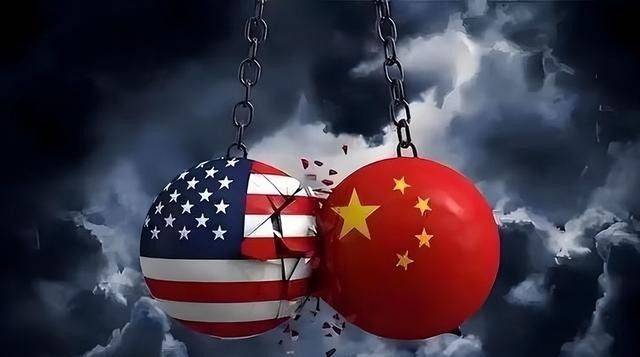
Detroit was faced with workers and local interests, and people were looking for factories and wages. The white house was faced with high-level drivers and union leaders, and it was hoped that competitors would not come in. This transition is not uncommon, and the logic of the ballot will drive the expression。
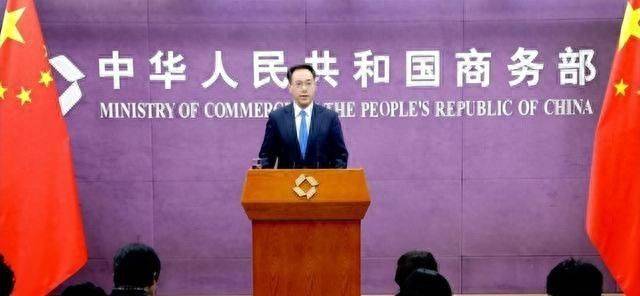
There has also been a trend towards proceduralization of china's response. On 27 march, the ministry of commerce of china issued, within one day, two survey announcements on united states trade barriers, pointing to supply chain-related issues and green product trade barriers. It emphasizes the rules and chain of evidence and does not rush to finish playing cards。
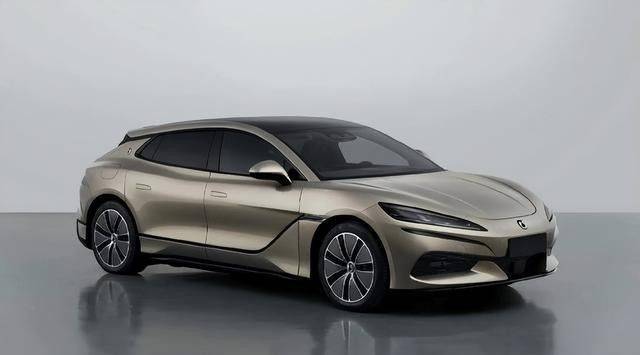
One would ask if it was too slow? Slow isn't weak. Slowness means putting disputes in the legal framework and avoiding the imposition of the label of “rule-breaker”. There are rules and regulations for external communication, leaving room for manoeuvre。
Another term frequently mentioned is “overcapacity”. China has recently begun to counter this statement in public expression, emphasizing that as long as products are in demand, quality is cleared and prices are reasonable, they are market competition. By describing competitiveness as “over”, it could easily become a cover for protectionism。
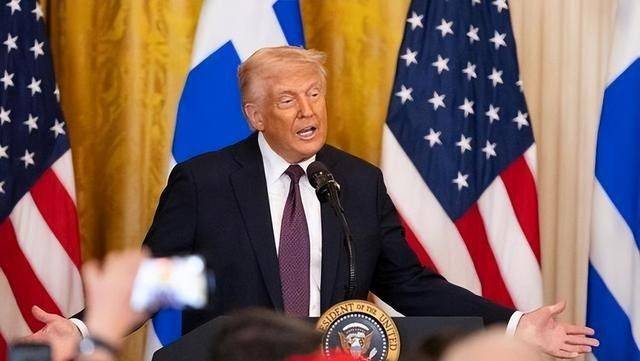
Some car-type pricing goes into high-price compartments, and target clients are no longer merely looking at cheapness. The configuration, intelligence, and complementary experience are beginning to become points of sale. European consumers use experience to vote and do not pay for political slogans。
This is both a pressure and an incentive for european auto companies. Pressure comes from shares and profits, and stimulus comes from accelerated technology. There are also differences within the eu, with some emphasizing industrial protection and others placing greater emphasis on investment and employment。
The united states also imposed restrictions on japanese cars in the 1980s, with quotas and frictions. Japan's automobile companies subsequently responded to localization, with supply chains taking root and eventually becoming permanent players in the united states market。
A similar route may be taken by chinese companies. Tariffs can change the course of trade and the willingness of enterprises to go to sea. As long as there is demand in the global market, firms seek ways to access compliance, and investments, joint ventures and plant-building can occur。
The real winnings and failures are not the tone of the launch, but research and development inputs, supply chain efficiency and product reliability. Consumers make decisions for themselves when they pay. It is the long-term variable that enterprises deliver good products on a sustainable basis。
I leave a point of disagreement for the comment area: should the united states continue to spend high tariffs on time or put resources on indigenous innovation and infrastructure in the face of the cost and technological advancement of chinese cars? It's valuable to collect it and forward it to those who care about buying cars and getting employed, and then to look at me, and then keep the real data from europe and north america。