The world bank's recently released commodity market outlook report shows that global commodity prices will generally show a downward trend, with large commodity prices projected to decline by 21 per cent in 2023 compared to the previous year and remain stable in 2024。
According to the report, since january of this year, commodity prices have fallen by 14 per cent, 32 per cent below the historical high of june 2022, and energy prices are expected to fall by 26 per cent this year. Gas and coal prices in europe and the united states are expected to fall by about 50 per cent and 42 per cent, respectively. The average price of brent crude oil in united states dollars is projected to be $84 per barrel, a 16 per cent decline from the average price of the previous year. Non-energy commodity prices will decline by 10 per cent in 2023 and by 3 per cent in 2024。
What was the reason for the reversal of the rise in commodity prices in 2022 and the fall in commodity prices in 2023
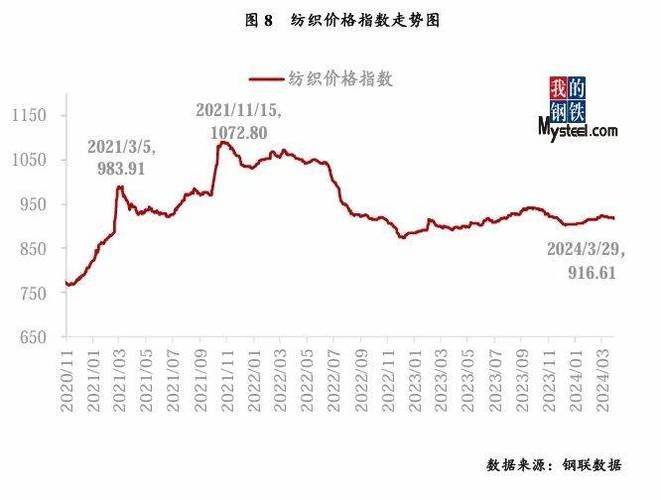
In 2022, with geopolitical factors influencing the market, there were expectations of partial disruptions in the supply of crude oil, and sanctions and counter-sanctions among major powers pushed up crude oil prices, affecting other commodity prices. After 2023, it became clear that the world had adapted to new patterns of supply and demand, and that the most important factor affecting commodity prices had been reduced throughout the year。
The slowdown in global economic growth in 2023 had become an indisputable fact, and the collapse of united states regional banks had increased the risk of a downturn in the global economy. The corresponding decline in demand for bulk commodities and the resulting weakening of prices, as well as the federal reserve's tight monetary policy, have also affected commodity commodity price trends and increased pressure on commodity commodity prices, but commodity price trends still face many uncertainties。
According to the world bank report, oil supply in russia and opec may fall short of expectations, tighter credit conditions may hinder the ability of oil or coal companies to increase supplies elsewhere, and stricter regulation of fossil fuels may also discourage investment. Geopolitical concerns are also important factors affecting large commodity prices. In addition, given that the drought in europe in the summer of 2022 severely affected the flow of rivers and food production, concerns about the abnormal climate could push up large commodity prices。
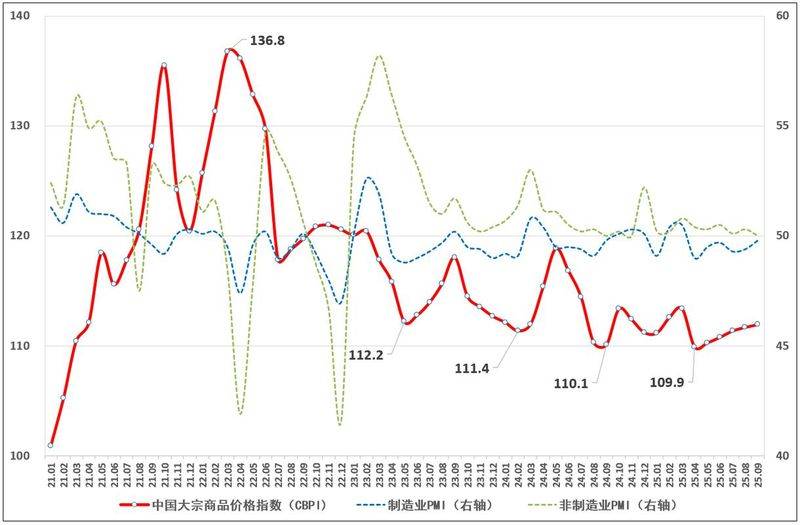
Despite the considerable downward pressure on global commodity prices in 2023, current commodity prices are well above the average for 2015-2019 and european gas prices will be nearly three times the average for 2015-2019. In the case of food, while prices are expected to fall by 8 per cent in 2023, they will still be the second highest since 1975. In real terms, it is now one of the highest food prices in the past 50 years。
Data show that global food prices have risen by 20 per cent as of february this year, the highest level in the past 20 years. Fertilizer prices are also expected to fall by 37 per cent in 2023, the largest annual decline since 1974, but still close to the height of the food crisis between 2008 and 2009。
The chief economist of fao, maximo torero, said that if the global economy recovered, there would be a worrying rise in food prices, especially rice prices. Furthermore, the parties need to renew the black sea food outbound agreement as soon as possible to avoid soaring wheat and maize prices。
Another cause for concern was the significant increase in commodity prices in 2022, which eased fiscal pressures in emerging market countries that were highly dependent on bulk commodity exports. The fall in commodity prices in 2023 will affect the fiscal balance of some emerging market countries, with the potential to trigger a wave of sovereign debt payments, thus affecting the process of global economic recovery and price trends for large commodities。
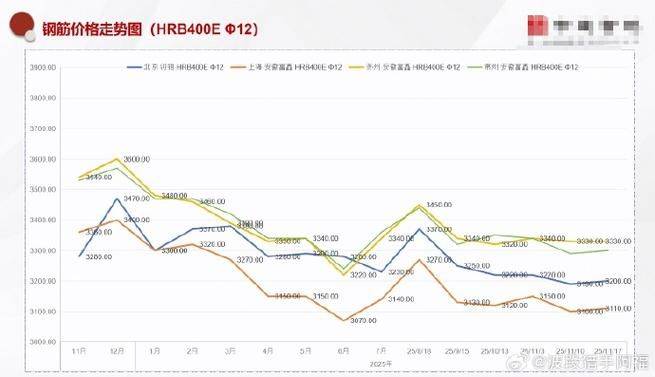
The fall in commodity prices in 2023 would either ease the inflationary pressures currently facing the world economy, potentially shifting the focus of the federal reserve's monetary policy from inflation-resistant to a stable economy, or would be beneficial to the world economy。
However, given the complex international environment, inflationary pressures remain。
“the fall in commodity prices has helped to reduce global inflation overall. Central banks need to be vigilant, however, as a wide range of factors, including weak oil supplies, increased geopolitical tensions or unfavourable weather conditions, may push prices up, leading to a resurgence of inflationary pressures.”