In the recent past, global commodity markets for large commodities have seen a significant decline in prices, ranging from energy, metals and building materials to agricultural products, and have seen the prospect of lower procurement costs for manufacturing enterprises that have suffered from higher prices of raw materials in recent years。
Of these, international oil prices were at their lowest level in nearly three months, with the closing date of 5 days, the united states wti crude oil futures falling by a small 8. 24 per cent in august and ice brent crude oil futures falling by a small 9. 45 per cent in september. The three-month london metal exchange copper price fell by almost 5 per cent to $729. 1. 5 per ton, the lowest since november 2020。
“foreign clients are more sensitive than us. The original contract remained the same, and the new order now made us lower the price.” zhejiang, the chief producer of heating equipment in zhejiang, with copper as its main source, told zhe zhejiang that the price of raw materials was alarming, that the collapse was equally painful – whether to increase the stock of raw materials or to watch, and how to maintain profits in the re-pricing of new contracts, and that the firm had to be more cautious when prices fluctuated。
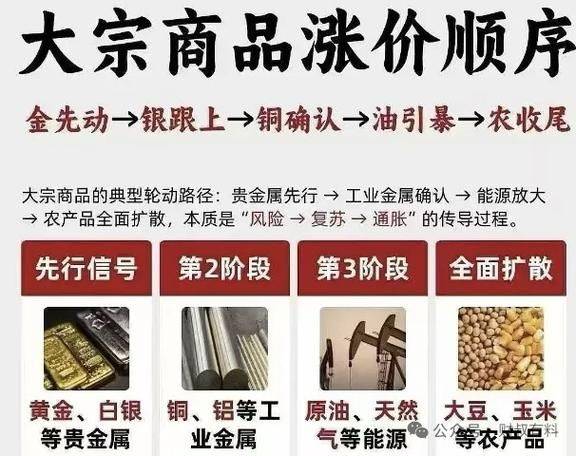
At the beginning of the year, copper prices were boosted by the positive mood of the macro-level situation at that time, continuing the upward trend of the past year. Cai xiaohua indicated that they had learned from their previous experience and had stored some raw materials more than a few years ago. However, the reserves were too large and increased by about 15 to 20 per cent。
As a science and technology enterprise in the field of smart mobility, the general manager of sioux lion smart vehicle technology ltd., who had been constitutionally successful, said to the first bank that, although commodity prices had fallen sharply, enterprises had not yet received notice of price reductions from suppliers that “the price of materials had fluctuated too much over the two years, feeling that both customers were tired and some had directly replaced suppliers”。
In the view of mondra, manager of the clothing import and export company of anhui province, the price of the fabric has been falling recently due to insufficient orders, but the latest wave of oil prices will take some time to transfer to the price of the fabric。
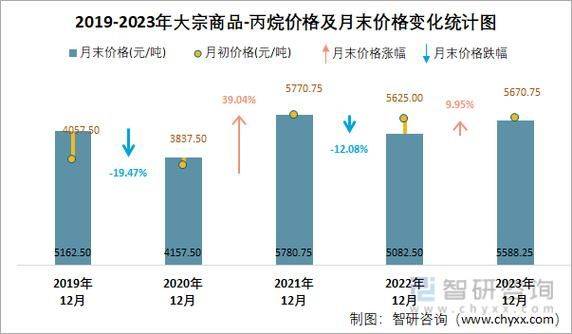
The previous surge in raw materials prices and the scarcity of chips had exposed them to the challenges of longer delivery cycles and slower liquidity. Today, after the first half of the year affected by the epidemic, the overall market is relatively cold compared to the previous two years and the problem of core shortages has been alleviated。
However, this does not mean that most enterprises can relax。
For the textile and clothing industry, the trend towards the release of orders has reversed last year's “one factory needs” phenomenon, ushering in the “worst” year in recent years. Because of the long supply chain and the existence of certain thresholds in the electro-mechanical sector, the shift towards south-east asia is not significant, and the main impact is still due to weak global market demand。
“the weak demand, combined with the frenzy of shipping prices last year and the previous year, has led many end sellers to increase their stocks.” the constitutional victory said, “it is estimated that after october it will be better”

For them, in addition to the constant digging of orders, the greater challenge lies in the fact that domestic supply chains are affected by disease prevention and control. Since the plant is located in kunshan and the suppliers are mainly in the long triangle, the recent outbreak in shanghai and tin-free places has repeatedly hit the overall supply chain and lengthened the delivery period。
Despite sharp fluctuations in raw materials prices, zai xiaohua indicated that the surge in export orders this year, mainly in turkey, poland and other countries, had increased demand, so that they would not worry about orders. The next step is to find a balanced way of completing production and delivery while preserving profits。
With regard to the future trends in commodity prices, industry considered that the downside of crude oil was limited and that the basics would support the continued weakness of copper prices in the third quarter, although there would be a reversal in the short term。