With reference to patents, many people feel that the profession is complex and that ordinary people, with their core logic, are able to write qualified applications that protect innovation and profit from transformation and empowerment. This paper removes the entire patent writing process and can be used directly by beginners。

I. Understand: what kind of patent do you write? "selecting pairs, less bending"
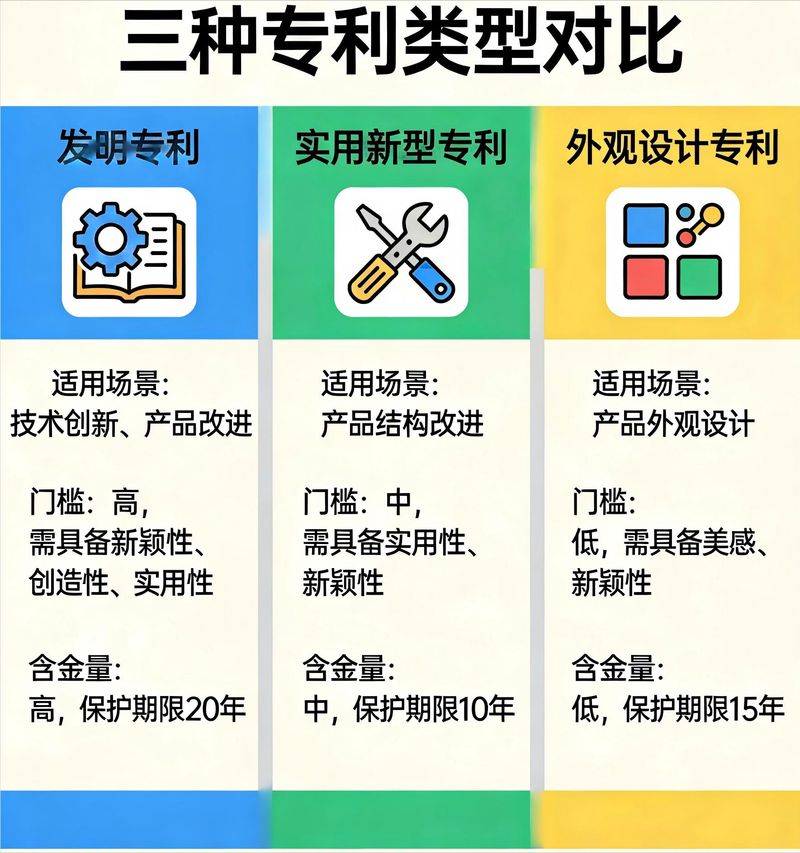
Different innovations correspond to different types of patents, and errors lead to unsuccessful applications, with newers focusing on three core types:
Patents for inventions: protection of “methods, processes, product core technologies” (highest gold content)
Appropriate to new production methods, technology formulations and technology programmes, the core is to reflect “creativeness” and technology needs to be more advanced than existing technologies。
Practical new patents: protection of “product shapes, structures” (low threshold, fast evidence)
Product improvements that are suitable for a specific structure need not be highly creative, can be documented for 6-12 months and suitable for entry。
Appearance design patents: protection of “the appearance, shape of the product” (carrying or justice)
Suitable product appearance, pattern and colour mix, with emphasis on “newness”, without the need for complex technologies, especially suitable designers, entrepreneurs。
Catalyst: a practical new form of protection, “internal structure, functions”, and a visual design to protect “external paint”, without confusion
Core steps in patent writing (first-hand, no pits)
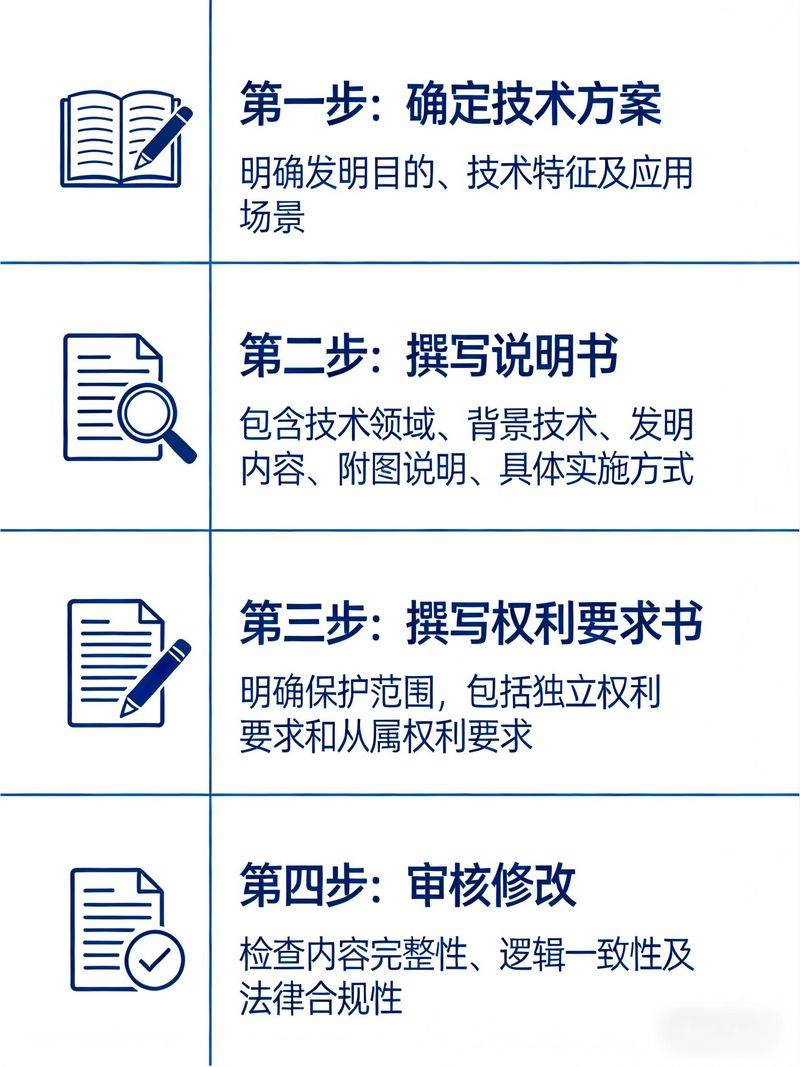
The core is to say “what innovation is, how it is achieved and how it differs from existing technologies”, and to focus on four core components。
Step 1: pre-preparation (basis-building, avoiding return to work)
1. New: access to the network of officials of the national intellectual property authority free of charge to confirm that there are no identical patents and to identify differences in their own innovation points
Combination of the core: dismantling the innovation's “what, how, what advantages” and listing key points。
Step 2: preparation of a core document (focus, four parts required)
The core are statements and claims, both of which directly determine the outcome of patent authorization and are elements of the newer focus。
1. Instructions: innovative, accessible to ordinary people
The following five core modules are written in sequence: 1 technical area; 2 existing technology gaps; 3 innovation cores (what is, how is achieved and what advantages); 4 a graphical description (optional); 5 practical implementation modalities (the better)。
2. Claims: delineation of the scope of protection and determination of the content of the patent volume
This is the most critical part, where a decision is taken directly to determine the violation, and the newcomer may write an independent claim (defining the core scope of protection) before supplementing the subordinate claim。
Example:
(b) independent claims: a folding board, which is characterized by the fact that it is divided into two symmetric plates, that it is bound to a connection, that it is set at the bottom, and that it is folded through a sheet。
Subsidiary claims: the folding board referred to in claim 1 is characterized by the use of food-grade silica, 3-8 mm thick。
Key points: the presentation needs to be concise and precise, without exaggerating, leaving out the core and avoiding the use of vague terminology。
3. Summary: concentration (200 words)
Innovation names, core structures (or methodologies) and advantages need to be summarized so that readers can understand them at once。
Request: filling in basic information
Templates can be downloaded from the official network to fill in basic information such as patent names, applicants, inventors, etc., and can be easily understood。
Iii. Five pits from which a newcomer must avoid (one step, patent may be rejected)
First-timers write patents and, in many cases, their applications are rejected because of pedals, and these five points must be avoided:
1. Fuzzy expression: without specific data and structures, the reviewers are unable to judge the innovation points
Exaggeration: such as “world leader”, which does not meet the requirements of practicality
3. Leak core: no core structure/key parameters are written and protection is too narrow
4. Copying of existing technologies: unrenewed and highly similar to existing patents
5. Format error: low-level errors such as lack of numbering in claims, lack of module in statements。
Additional reminders: what should be done after writing? (by taking into account the benefits, the landing was strong)
1. Submission of applications: the possibility of submitting them free of charge on the official network (the process is more complex) or of finding an agent (at a cost of between $1,000 and $5,000) increases the authorization rate
2. Pending review: the patent for inventions takes 1-2 years to be certified and the patent for practical, new, visual design can be certified 6-12 months
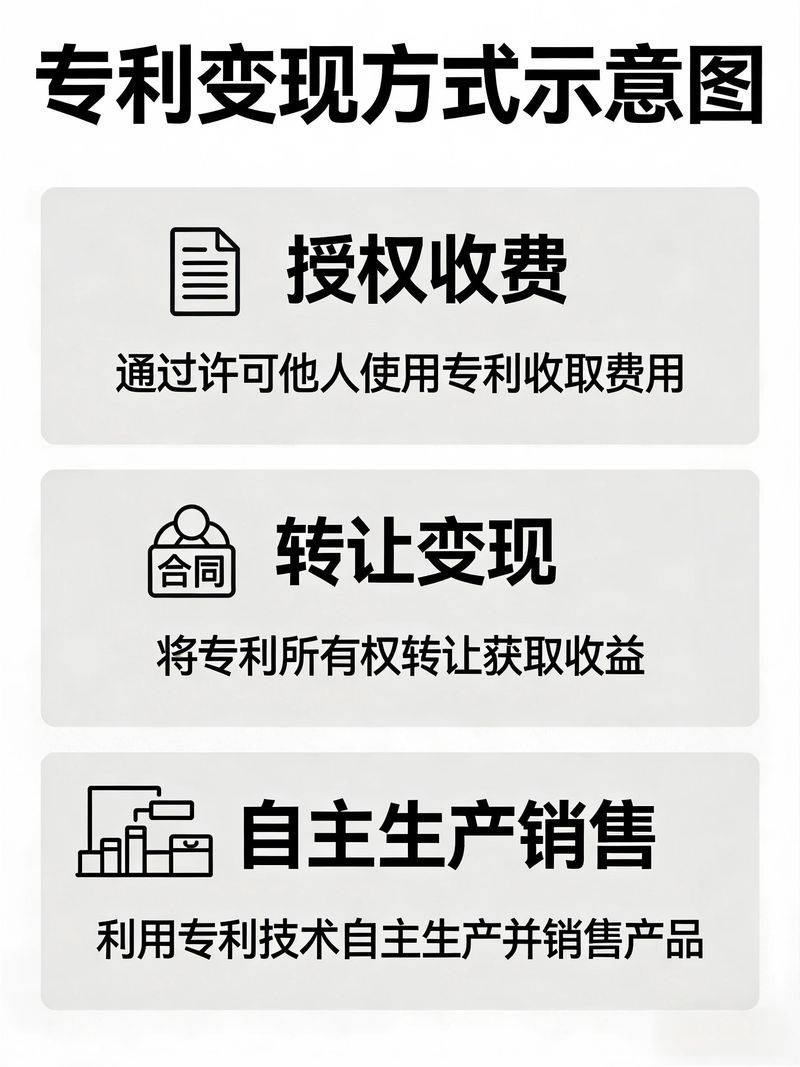
3. Patent proceeds: profits may be obtained by authorizing fees, transferring liquidity and self-production sales。
The core of patent writing is “clearness, clarity and absence of pitfalls”, and newers can start with patents for practical, new-style design. If the core logic is in place, even if the agency is approached, it will avoid the pitfalls and allow the real realization of innovation。
Innovative protection