Hello, fellow engineers
Still worried about the harding of temporary roads at the site? Still suffering from high concrete costs and long maintenance periods
I'll tell you the good news: the traditional "drilling squares, mixing concrete, pouring floors" model is being eliminated
Today you've counted four of the hottest new “substitute concrete” sclerosis technologies, covering the entire scene, from temporary access roads to permanent floors, not only at a 30 per cent reduction in prices, but also at a fast, green and green pace. After reading this, you know how to choose the least expensive
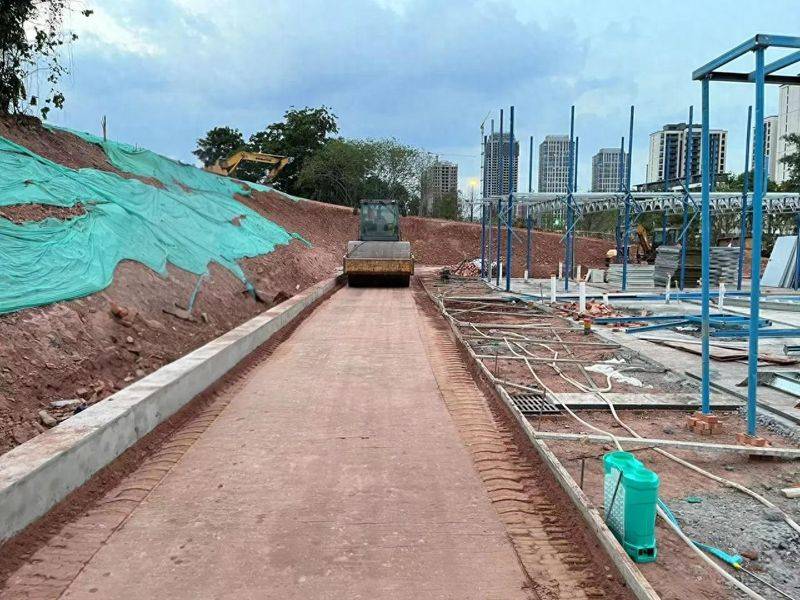
[scene one] large temporary roads, stack hardening
1. Soil/descrete
Solidification technology (all of which have been applied on a large scale)
Core principle: in-situ extraction of material. Combine the soil, building debris, plus a special solidified agent, which can be turned directly into a hard road with a strength of c15-c25。
Why it:
Saving money: directly saving money for sandstone and cement at a cost of more than 30 per cent less than concrete。
Extreme speed: one or three days after the pressure is in shape, you can walk without waiting 28 days for maintenance。
Green reduction: after completion of the project, the solidifier is washed out, the soil is transformed back into arable land and zero building waste。
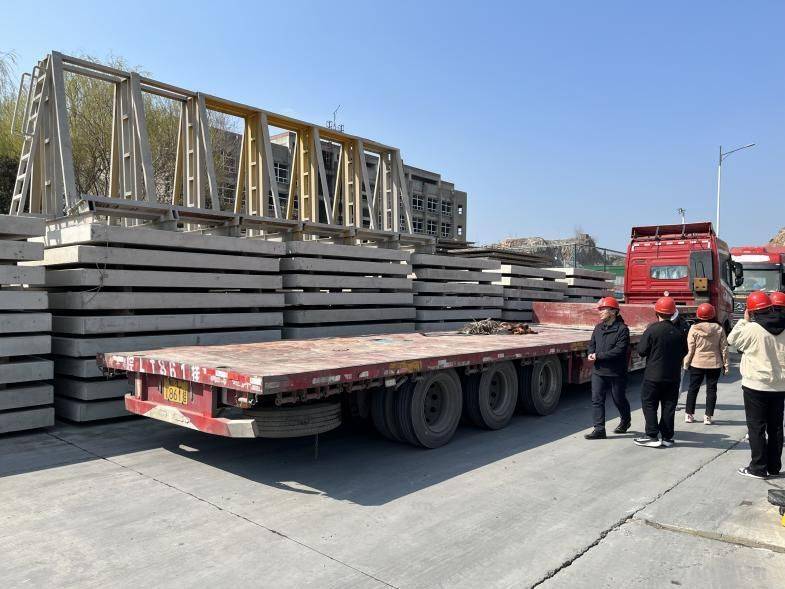
Frequent relocation, quick recovery (for efficiency, revolving)
2. Sclerosis panel for assembly modularization (road paved the same day and withdrawn tomorrow)
Core principles: plants are prefabricated and the site is laid directly like lego。
Why it:
Revolving recycle: for example, regenerative concrete prefabricated plates, which can be used more than five times and are suitable for relocation。
Heavy loads can be up to 50 tons, excavators, tankers can pass。
It's finished in the morning and will be available in the afternoon without delay。
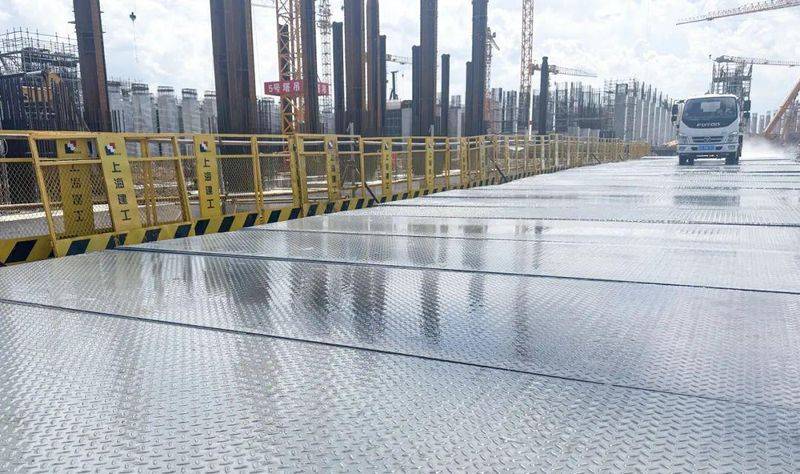
3. Polymer laminates (constructed steel, sliders)
The core principle: recycling plastics with a high temperature pressure is a light road。
Why it:
It's easy to move: it's only 1/7 of steel, and two people can move it easily。
Rain sky: it's a very good place for muddy and wet, and it's very smooth, and it's not stuck。
100% recycling: once you've done it, you can recreate, you can recycle。
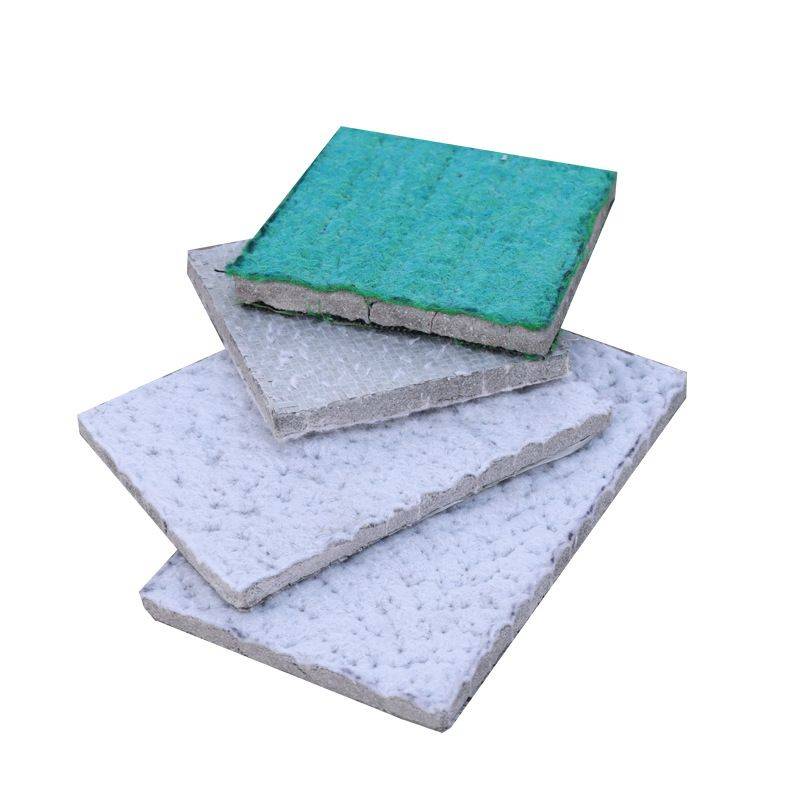
Cement blankets (the “magic carpets” with water)
Core principles: it's a cloth and cement compound, a blanket when dry, rapidly hardened and turned into a solid concrete layer。
Why it:
Zero difficulty of construction: no templates, no mixers, straight lay, straight cut。
It's all-powerful: even the pit floor, the ditch, the ramp, it's synthetic。
24 hours hard: fit for small range recovery, slope protection。
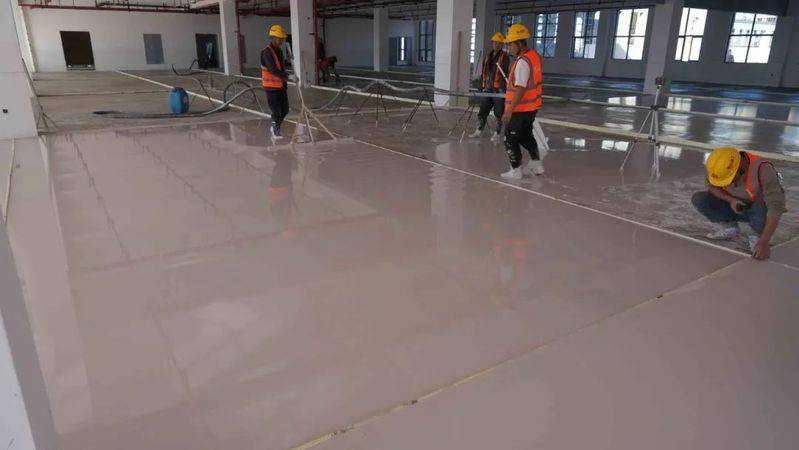
5. Plaster-based self-flow (revolutionary upgrading of indoor floors)
Core principles: super-high plaster-based materials, pouring down automatically flat, hard as stone in a few hours。
Why it:
Extremely flat: 3-5 mm thin layer can reach super-high flatness without empty drums and cracks。
Warm partner: thermally fast, soundproofed, well suited to make an indoor surface or permanent office space。
Summary of dry goods: how
Technical options application scenario core strengths recommended index
Soil solidification, large temporary roads, piles, cheapest, local extraction. Box
Assembly boards, relocation of sites, reloading of roads, fastest, reusable
Cement blankets, small areas, repairs, ramps, flexibility, water, hard
The plaster flowed out, the indoors, the office areas, the flats, the cracks
As green construction and downside efficiency gains are mainstreamed, these new technologies are comprehensively replacing traditional concrete。
If you are working on project programmes, it is recommended that priority be given to these programmes, which will save real money and silver and will meet environmental requirements。
Do you think this is gonna help you? Welcome to the comment section, your city or type of project, and i'll help you analyze the most appropriate hardening plan for you
♪ civil engineering ♪