The continued stable operation of solar street lamps depends on a precision closed ring from energy capture, conversion, storage and eventual release. The effectiveness of the system is not static, and its decay and malfunction often stem from slow accumulation of physical and chemical changes in the daily environment. Understanding the nature of these changes is the basis for developing effective maintenance strategies。
Chengdu sun regeneration resources recovery limited - safe destruction services
Morningson regenerative resources . Advertising x
The initial conversion efficiency of photo-to-electric energy is directly affected by the surface state of the pv. Consorts such as dust, bird dung and leaves are not simple masks, and they create local shadows. In the cascaded battery plate circuits, shadow-covered batteries are transformed from power generation units to power-consuming units, producing a "hot spots effect" that results in abnormally high temperatures in the region, thus reducing the overall component power output by causing prolonged professional damage to the battery plate structure。
I. Maintenance of the energy capture chain
For the maintenance of the pv, the primary task is to maintain its surface permeability. Regular clean-up frequency needs to be judged in combination with local air suspended particles concentration and rainfall frequency. Cleaning may be required on a quarterly basis in areas with high levels of wind sand or industrial dust, for example, by some main transport routes, and in areas with high vegetation and high bird activity, attention needs to be focused on the timely clean-up of organic stains。
Cleaning requires methodology. The use of worn-out tools or detergents is not recommended. Usually soft brushes are used to wash loose dust, followed by wet surfaces with water or neutral detergent solvents, and finally dry with water scrubbers or soft cloths to avoid water stain residues forming new light-dispersion points. Cleaning time should be chosen in the morning, evening or dark, so as to avoid cold and heat shocks at high temperatures that open glass panels。
In addition to cleaning, periodic checks are required for mechanical fixation of pvs. Check if the frame is corrosive, whether the bolts are loose and whether the connector is fragranced by wind oscillation. The small bias in angles, although not significant in the short term, can lead to a significant decline in average daily electricity generation over a long period of time。
Electrochemical monitoring of the electrochemical storage unit
Accumulation batteries are a relatively short-lived segment of the system, and their performance decline is gradual. Lead-acid batteries, in particular valve-controlled adhesive batteries, have reduced capacity mainly associated with sulfate, water loss and plate erosion. Even in non-working conditions, there is slow self-charge and chemical reaction in the interior。
In day-to-day maintenance, it is not possible to measure the internal chemical state directly, but it can be determined indirectly through external indicators. Battery boxes should be sealed and ventilated to prevent rain impregnation and high temperature accumulation. The excessive temperature of the box accelerates the evaporation of the internal water of the battery and the corrosion of the plate fence, which significantly reduces its effective capacity. The sun-shield and heat-dispersion designs of batteries are particularly important in areas such as zhong zhang, where high summer temperatures are evident。
A common question is: does the light come on every night mean that the battery is healthy? This may be only if the remaining battery capacity is still above the “depressure protection point” set by the controller. However, when confronted with consecutive rainy days, the battery is depthly discharged, and its voltage may fall rapidly below the protection point, leading to early closure of the system and exposure to insufficient capacity. Therefore, before and after the rainy season, the system's sustainability should be assessed more carefully。
Logical function and parameter calibration of control hubs
The controller is the smart hub of the system, which is maintained with a focus on functional validation and parameter alignment. Does the mode of operation of the controller (e. G. Light control, time control, light control + time control) match the sunlight time of the current season? For example, there is a significant difference in the timing of sunsets between winter and summer, which, when introduced with pure time management and without seasonal adjustments, can lead to waste of energy or inadequate lighting。
The controller's protective parameter setting is directly related to the life of the core component. Overcharge and overlay are the two “killers” of batteries. It is necessary to confirm the reasonableness of charging restoration connection voltage settings. The charge value is too high to recharacterize when the voltage voltage voltage is slightly up, which may cause the battery to become “unsatisfied” in a low voltage output current, which will be detrimental to the battery for a long time。
In addition, any loose, oxidized or overheating traces should be checked for the end of the controller. Micro-exposure resistance produces heat when passing through larger currents, and may cause increased oxidation of connections in the long run, creating a vicious circle and even security risks。
Physical and electrical inspection of luminous output terminals
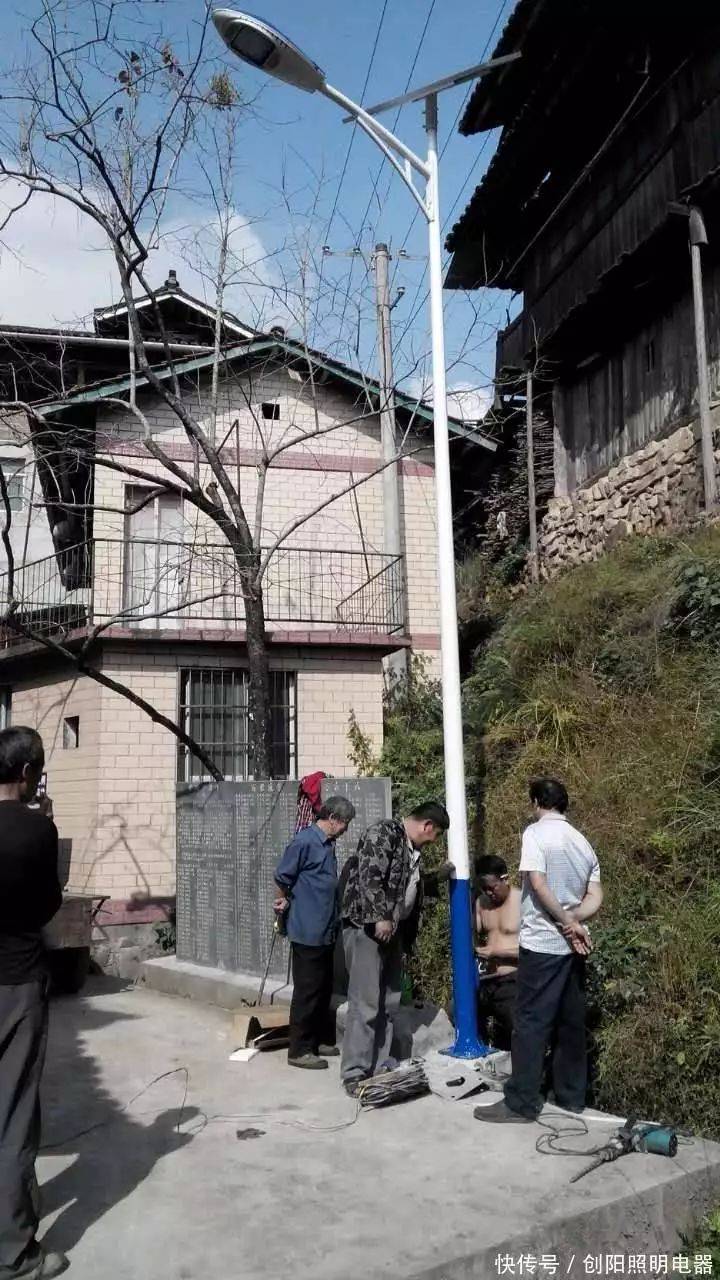
The led light source is known for its long life, but it is equally inevitable. Light decay not only reduces the brightness of the finger, but also includes the movement of colour temperature. In daily inspections, a preliminary determination as to whether or not there is a light source of early decay can be made by comparing horizontally the light parity of different street lights in the same section。
The sealing of lamps is essential. The ageing and cracking of seals can lead to wet air and dust intrusion. The internal condensed water beads can create short circuits, while the concentration of dust on light-source heaters can seriously affect heat dispersion efficiency. The lifetime decay rate is likely to increase exponentially for leds at 10°c. As a result, the examination of whether the lamps were laced and whether the seals were sufficiently flexible was the focus of the physical examination。

The living room doesn't have a tv cabinet. It's brilliant
Another often overlooked link is the location of the lamp pole and mine protection. It should be checked whether ground-to-ground electrical resistance is still within safe limits (usually not more than 10 om) and whether the indicator window for the mine-protected device (spd) is normal (in the case of a change from green to red, it means that the failure needs to be replaced). This is the key to ensuring the safe operation of the system in the rain-fed area。
Five, professional overhaul logic from the back of the phenomenon to the system
When the street lights fail, professional overhauls do not blindly replace components but follow diagnostic pathways from phenomena to root causes. For example, in the face of the phenomenon of “no light on the road”, a distinction should be made, first and foremost, between no light at night or not at all。
If the light is not bright at night but the daylight voltage is normal, the problem may be concentrated on the controller output, the circuit or the light source itself. The rapid positioning is possible by measuring whether the load output end of the controller is voltage at night. If there is a voltage, the failure occurs on a subsequent line or lamp; if there is no voltage, the controller load control function and settings are checked。
If it's not light all day, the power source should be checked. Photovoltaic open circuit voltage and working currents are measured to determine their failure. Accumulation battery end voltage is measured to determine whether it is overprotected or damaged. A systematic diagnostic process is as follows:
1. Visual inspection: quick removal of visible external physical damage, shielding or loss of connection。
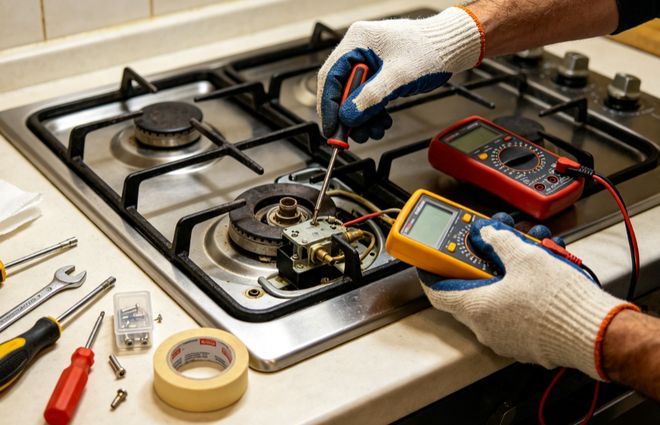
2. Voltage current measurement: the measurement of key electrical parameters at the optical volts, batteries, controller input output end at different conditions (high light, weak light, load opening/off) compared to standard values。
3. Load separation test: temporary disconnection from the light source load, connecting to a known normal test load (e. G. Small power light bulb) to determine whether the system has been restored to power to exclude the effects of the load short circuit on the system。
4. Part replacement verification: the temporary replacement of the same type of normal component after a preliminary determination of the malfunctioning component and the observation of whether the system is back to normal is an effective method for the final identification of the failure point。
Specialized testing of battery capacity requires the application of a dedicated capacity test, rather than only measuring empty voltage. Similarly, for optical voltages, the current-voltage characterization curve of which is drawn using the iv curve tester is required to accurately assess whether its power decay is within normal range (usually less than 0. 8 per cent annual decline)。
In conclusion, the maintenance of solar roadlights is a technical activity based on their energy flow processes, combined with preventive and diagnostic activities. The core of day-to-day maintenance is to maintain the initial working conditions of the conversion links and to mitigate the deterioration of performance due to environmental factors; while professional overhauls are a set of reverse diagnostic logics for energy flow disruption points, which locate the source of the failure precisely through parameter measurements and logical analysis. Effective maintenance does not seek new specialization in all components, but rather scientific intervention to ensure the smoothing and efficiency of the entire energy closed ring, thereby achieving stable lighting throughout the life cycle of the system. This requires that the maintainer not only understand the structure of the equipment, but also the underlying energy principles and decay mechanisms。