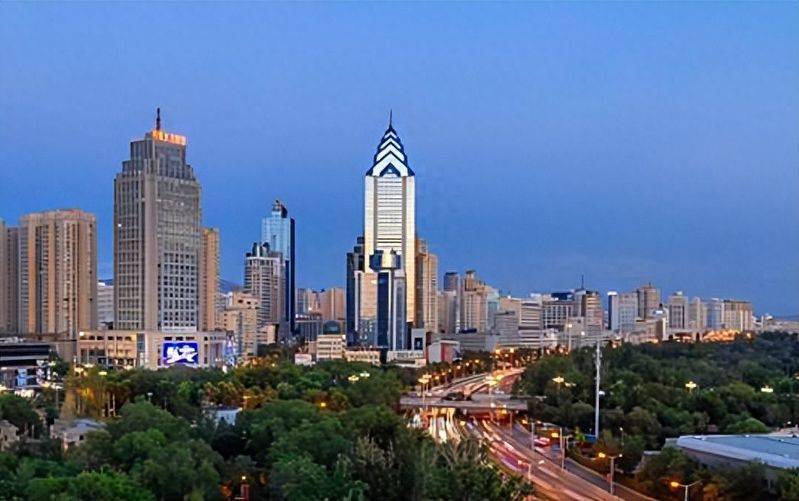
Ten years of clean light (1884), urumqi was identified as the capital of xinjiang。
The conditions are significantly better than those in urumqi, ishawar, kash and kulle。
(a) ishawar, with abundant water and grass, known as the “south of the zejiang”; (b) kash, a town of great silk, a thousand years of luxuriousness; and (b) kulle, by the tarimu river, an oasis
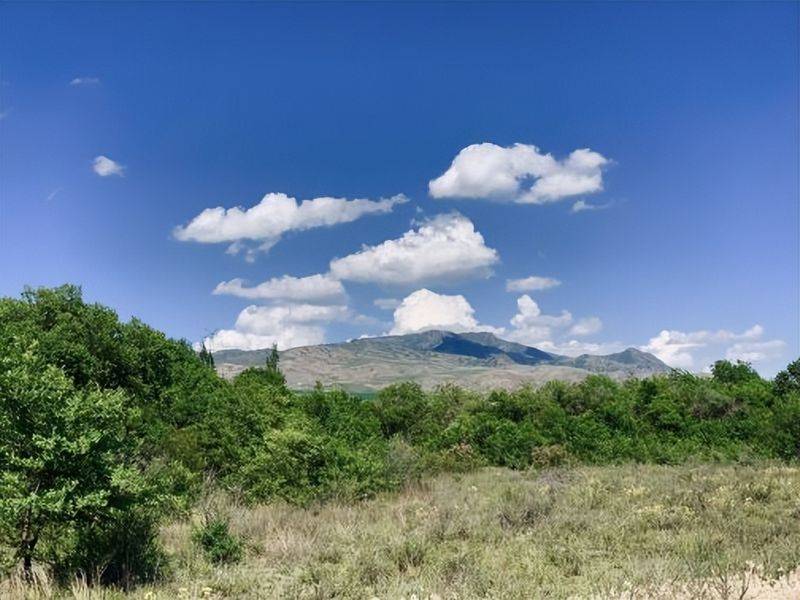
Where's urumqi? To look at it, it is the gobi wasteland, the naked rocks, which all seem to be in general condition。
But at the end of the day, urumqi, a seemingly ignominious name, was steadily pressed and became the capital of xinjiang。
Why? Behind this is an issue that came to mind after fighting, suffering, supply and transportation considerations。
First, isha. For 28 years (1763), ching ting built the city of eyuyu, north of the ishawar river, in the name of the emperor's family and in the name of his majesty's grace, to benefit far away。
The town of huiyang became the political, military and economic centre of xinjiang, known as little beijing。
The walls are four feet high and nine miles long; the inner-city bell tower, the general's palace, and the mercantile. Western matters, big and small, decide in this town。
But there is trouble behind it。
In 1871, the sioux seized the plough in the wake of the chaos in xinjiang, under the cover of the caretaker, and built the cannons and threatened to degenerate southward (now urumqi)。
It was not until 1881, when the chinese-russian ploughshare treaty was adopted, that it was negotiated back. But the shadows of the border persist。
The capital is located in ishahara. It's like opening the house under the eyes of a neighbor. One day someone kicks, you'll fall half of the house。
It is clear that the boom is full, but the safety factor is not sufficient, and the capital cannot be on fire。
Kashi has a long history and is the centre of the southern road of the silk road. The ancient merchants rest here, and east and west civilizations meet here。
Kulle, the tarimu river is passing through the city, with abundant water and pear, known as pear city. Both are much more comfortable than urumqi, to say the least。
But the problem is — far away. In the south-west corner of xinjiang, too far from the interior, news reached the capital and had to break several horse legs。
Kulle, while in the centre of the south border, is isolated from the tianshan mountains, which makes communication with the north extremely difficult。
It's like building a wall between two houses, you shout at this head, you don't hear that。
The court asked for an accessible provincial capital, which resulted in the direct departure of kash and kulle from the transport line。
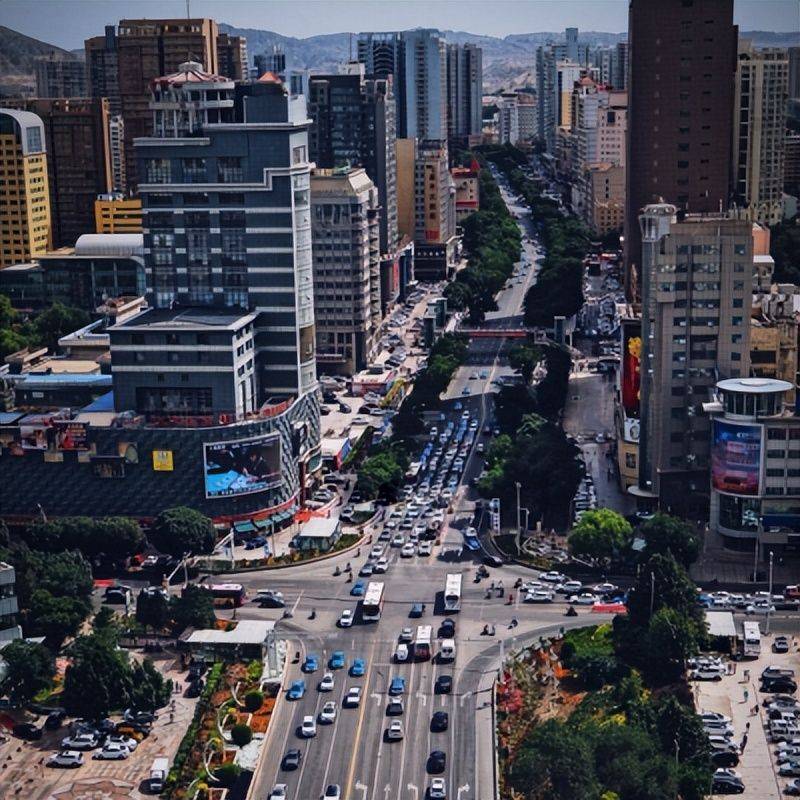
Kulle
When it comes to urumqi, it has to be called mount tian。
The xinjiang terrain is three mountains and two basins, and tienshan runs through the centre, while urumqi is at the centre of mount tien。
The valleys are all over the valleys, with all the passages round them, heading north towards the gar basin, to the southwards of tarzan, to the west, to the ishawar, to the east, to the inner part of tongansu。
Since time immemorial, the urumqi-tarupan line has been an important passageway to the north of the silk road, known as the “white water road”。
The han-tang road, the monument of the han-tang, can still be found today。
In other words, urumqi is like xinjiang's central nerve, and once the provincial capital is put here, the decree can be passed along the traffic routes to the north and south。
Urumqi grew up not from a resource of exceptional talent, but from hard-core military towns and markets。
After 20 years of peace (1755), when ghar, ching ting was stationed in urumqi, building an earthly town and settling in the han army, ting tung-da。
For 23 years, the emperor ordered the opening of the markets of urumqi and kazakhs, the beginning of the tea and horses exchange, the change of tea sheets by cattle and goats, and the vagaries of the trade。
After the years of civil disobedience, a large number of inland traders joined the army, with 100 workers in the city of new street, ranging from tailors and blacksmiths to teahouses and oil shops。
The city, from the camp to the market, to the multi-ethnic city, led to urumqi becoming a capital。
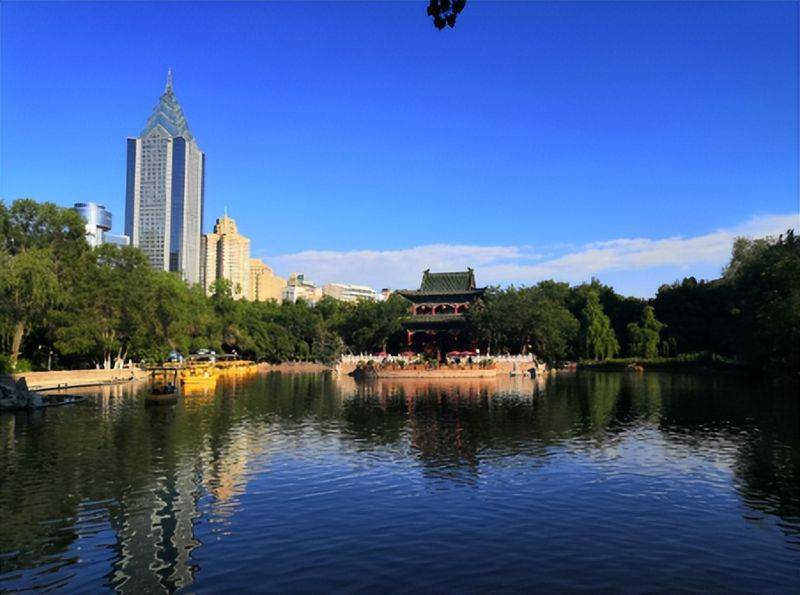
It is worth mentioning that, without a casket of the left, xinjiang may not have even had a chance to build a province。
In 1876, zong chong chong used suzhou (today's fountain) as his base camp, with generals liu jincheng and others taking part in the border two ways, north and south, slowly entering the war and recovering the territories of diodh, toruzan, kulle and kash。
In 1878, the regime of agubba was overthrown and a large part of xinjiang returned. In 1881, the plough was recovered through negotiations。
By 1884, qingting had finally resolved to establish xinjiang province。
Where is the provincial capital? With the lessons of the previous years of war, it is clear to all of us that we must be able to control the whole of the country and get close to the interior of the country。
Urumqi is a natural choice。
Concluding remarks:
From the presence of tanda during the dry years to the pre-eminence of the province, urumqi grew from the border town to the political centre of xinjiang for more than a century。
Today, it is the command centre for 1. 66 million square kilometres and the key node of the asia-europe continental bridge。
It was not only a geographical trade-off, but also a strategic set-up。
Since then, urumqi has become the heart of xinjiang, beating。
Source of reference:
Liu xiaoqi. Qingdai xinjiang capital: eiyu city. Shanghai premises 2015, (01)