A lot of childhood memories after 70 or 80 should have a black and white television。
In the 1970s and 1980s, television was a rare thing. In that age of lack of recreational facilities, a television set was enough to attract the village's elderly children with small benches。
So how does this big, eye-browing guy get us a big picture
01
Video tube television
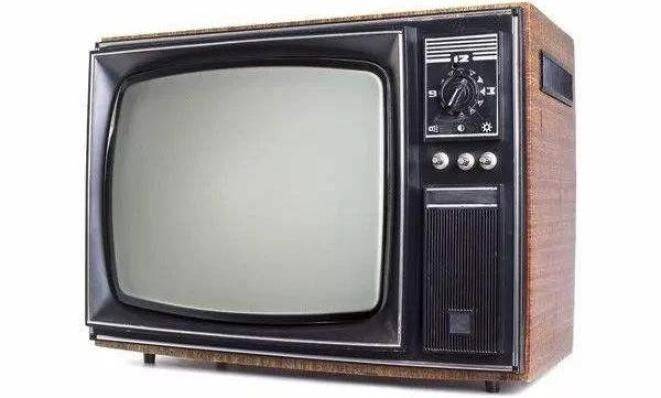
Video tube television, photo source
Tv is divided into three main types: video tube tv, liquid crystal display, lcd tv and organic light emiting display, oled tv。
And most of the televisions that exist after 80 years of memory belong to the crt。
The tv cam was invented by the american ferro farnsworth in 1927. Initially, television was shown in black and white, and in 1941 the colour television system invented by baird successfully delivered colour images, laying the foundation for colour television。
On 2 september 1958, our first television system was successfully built, and we began broadcasting black and white television and established the corresponding television industry. In 1973, beijing television began to air colour television programmes on a trial basis。
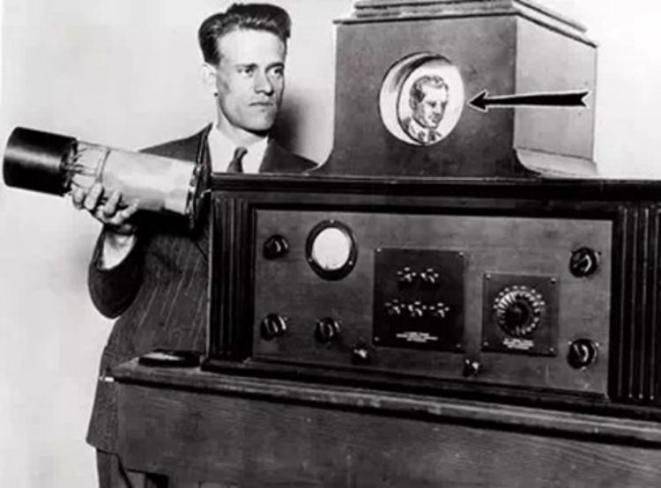
Fero farnsworth and his tv, photo source network
The core original of the tv cathode is the cathode tube, which is a cathode-ray tube (electronic beam), which uses electronic guns to launch high-speed electrons, controls the deflection angle of high-speed electrons by means of a vertical and horizontal deflection circle (e. G. Magnets), and ultimately strikes high-speed electrons on the light material on the screen, generating light spots。
The power of the electron beams is regulated by voltage, which creates bright spots of light on the screen, forming words and patterns。
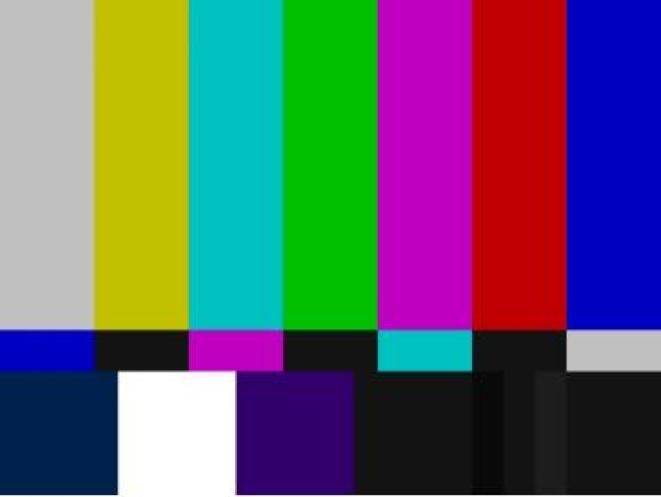
Smpte colour test map, image source wikipedia
On the coloured catheter screen, each pixel point is composed of three types of phosphorous material, red, green and blue, in a pattern。
The three types of phosphorus-phosphate are activated by three electron beams each, so long as the brightness of the three colours is regulated by the electron beam of different strength, different colours can be obtained (the black exception is that it is not a mixture of light of different colours, but rather because the non-luminous regions and the luminous areas form strong contrasts and are therefore black)。
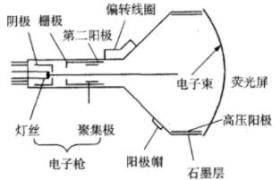
Visible tube structure, photo source, " briefs of the principles of five different types of television imaging "
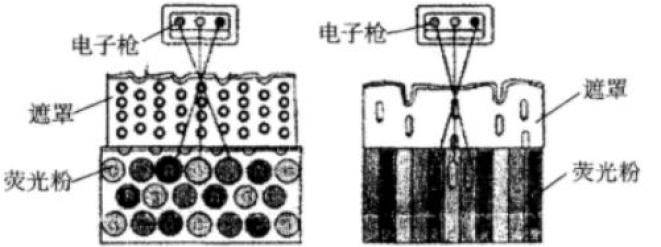
Colour catheter, photo source, " brief of the principles of five different types of television imaging "
02
Lcd tv
Visible tube television, which uses cathode ray tubes to present itself, has the disadvantage of being large in size and high in electricity consumption, and has emerged to address these problems。
In 1969, james foggson discovered the rotational field effects of liquid crystals. In 1971, ilixco produced the first lcd monitor based on this characteristic。
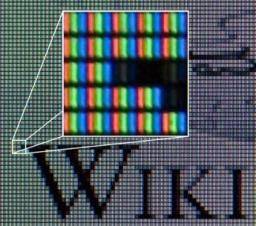
Lcd monitor, photo source wikipedia
The panel of lcd tv is typically composed of a back optic layer, a positive or negative polar circuit, a migraine and a colour filter。
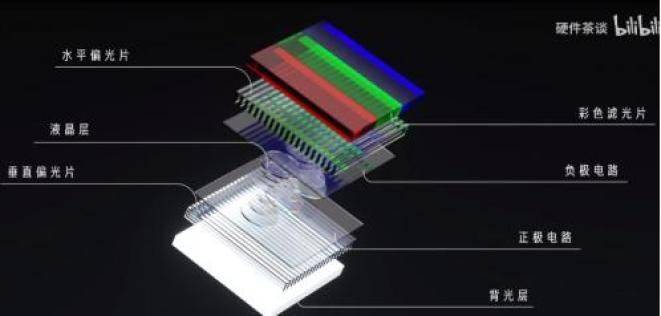
A map of the principles of the liquid crystal
The only function of the bottom back layer is to send white light, which becomes the light of the corresponding colour if it is directly ejected through coloured filters。
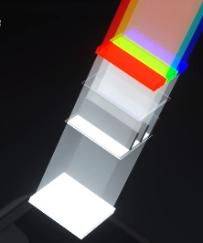
Back optics, photo source beep-stealing
When we power the positive and negative circuits on both sides of the liquid crystal, and form a circuit, the voltage drives the liquid crystal layer away, and the liquid crystal layer blocks part of the light like a blind。
So we can control the size of the voltage, adjust the angle of the liquid crystal to control the amount of white light passed. Three different proportions of color light, like tuning, form the colorful pattern we see。
That's how lcd tv works。
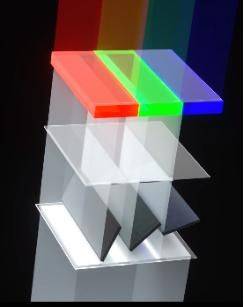
Liquid crystal deflection map, photo source beep-beep-stealing
03
Oled tv
Lcd tv still exists in our homes, but because it uses back-lighting, it means that we cannot get perfect black (lcd cannot block white light to 100%)。
What if every pixel is spontaneous? So we don't need back optics, we don't need filters, and the panels are very thin. That's old tv。
Oled television is very simple and consists of three subpixels of red and green blue, each pixel point being understood as a small colour light bulb that can be controlled independently。
However, there is no liquid crystal layer or back optic layer, because it is in itself a specially designed spontaneous luminous diode, which is lightened by electrical power, different voltage sizes and different brightness。
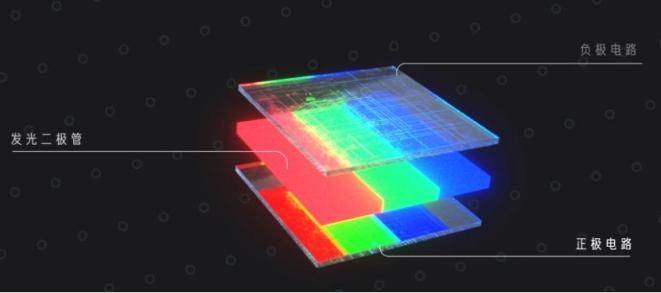
Oled logic map, image source beep beep -- hardware tea talks
It's because without the liquid crystal layer and the back layer, the old screen can be very thin, even transparent monitors with a sense of future technology
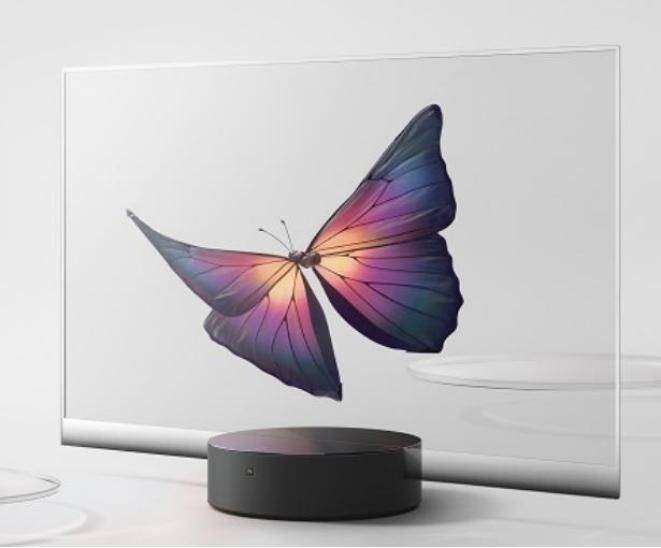
Mi transparency tv. Image from mi propaganda
Petty: any color can be red, green, blue, and humans invented red luminous diodes and green luminous diodes at an early stage, but only in 1993 did the bright blue luminous diodes appear。
Some say television was the greatest invention of the twentieth century. This judgement may be exaggerated, but there is no doubt that it has profoundly changed our lives since the television came into existence until today。