Cross-border tourism is an effective means of achieving “one-way” policy communication, access to facilities, free trade, financial literacy and people-to-people solidarity, and is an important enabler of economic development at the border. Yunnan's development of a cross-border tourism industry has facilitated the free flow of tourism resource elements and led to the transformation of economic patterns at ports. Transborder tourism as a leading industry in the port economy is important for sustainable economic development。
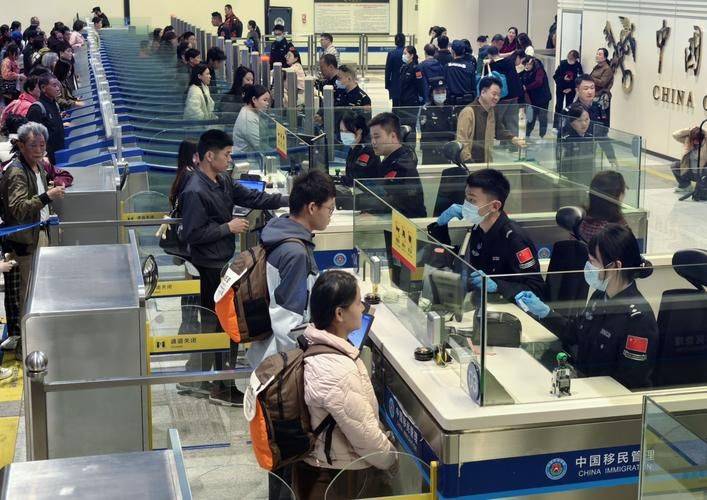
Cross-border tourism has injected new dynamism into the economic development of ports of entry. The first is to promote steady economic growth at ports of entry. In terms of investment, tourism infrastructure development, resource development and utilization, tourism product research and development and manufacturing can create investment space in the port economy; in terms of consumption, cross-border tourism leads to the development of modern services clusters, thus driving the development of traditional industries in the port city and surrounding areas; and in terms of foreign trade, cross-border tourism development leads to diversified consumer demand that directly stimulates export growth in associated industries and indirectly stimulates the expansion of trade in goods and services. The second is to support the growth of the port industry. On the one hand, cross-border tourism, through the integration of tourism resources and niche products into a chain of tourism, shopping, entertainment and cultural experiences, must be adapted and optimized to meet the needs of business expansion. On the other hand, the emergence of cross-border rural tourism, cross-border logistics, cross-border medical care, etc., has made it necessary for the port areas to innovate to enhance their industrial development support capacity and promote the transformation of traditional industries. The third is to improve the capacity of port services security. In order to meet the demand for cross-border tourism services, port cities need to continuously improve service carrying capacity and support levels. The development of cross-border tourism has led to increased institutional innovation, the introduction of facilitation measures such as simplified entry and exit procedures and the introduction of electronic visas, and the strengthening of soft security of services. At the same time, an open, accessible and efficient business environment that effectively promotes the timely adjustment and optimization of open policies provides conditions for higher standards of port services and access to cross-border tourism markets. Fourth is the promotion of international port city building. The large-scale entry and exit of cross-border tourists will inevitably require accelerated adaptation and upgrading of infrastructure, such as port clearance facilities, urban transportation systems and information networks, as well as upgrading of port city support facilities. On the other hand, the promotion of port city construction has also helped to raise the international visibility and prestige of port cities by demonstrating their own cultural background, natural and humanism。
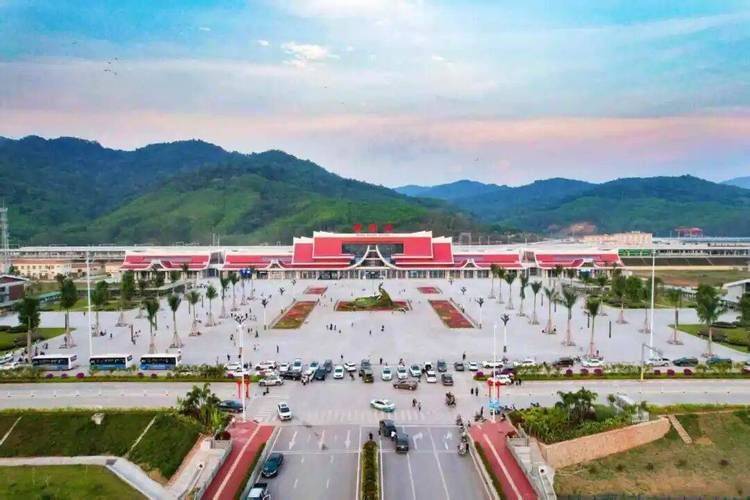
Path choices to advance cross-border tourism development. The first is the concerted promotion of cross-border tourism cooperation zones. The development of cross-border tourism cooperation zones should be pursued in a focused, hierarchical and step-by-step manner, with appropriate policy support for border-crossing cities that are close to the customer market, have abundant tourism resources and have well-developed infrastructure; cross-border tourism cooperation should be strengthened. The core issues in the establishment of the zone include national territorial sovereignty, open port management, customs efficiency, foreign investment policy and the applicability of laws and regulations. Second is the upgrading of customs clearance facilities. Through the “internet+customs” model, tourist online applications, back-office clearances, one submission, one quick completion; a self-service system and information platform for cross-border tourism, a comprehensive three-step clearance model for “documentation, identification, identification” to facilitate the entry and exit of tourists; and the exploration of cross-border tourist reception points in both tourist destinations, piloting pre-business processing for cross-border tourism counselling, tourism insurance purchases, etc. To improve the quality of services. The third is to promote cross-border cultural tourism belts. (b) conducting a comprehensive study of the tourism resources available in yunnan and neighbouring countries, such as national cultures, historical monuments and natural winds, and rationalizing the design of tourism projects and content so as to avoid rivalry; strengthening the supply of tourism products and developing tourism products on such topics as ethnocultural experience tours, subsistence vacations and border cruises, with a view to widening the pattern of cross-border tourism through “tourism+”; strengthening international cooperation and policy interfaces and concluding bilateral or multilateral cooperation agreements with neighbouring countries to facilitate the flow of tourism elements. Fourth is to nurture and strengthen the market. • support for the establishment of “focal-centre-regional-international” proliferation dynamics by tourism industry associations and the strengthening of communication links with tourism authorities and industry associations in neighbouring countries. Five is the promotion of tourism brand influence. Building on yunnan's unique natural, humanistic and multicultural experience, efforts have been made to develop a cross-border tourism brand called “a life in yunnan”; develop a multi-lingual version of the app for cross-border tourism, which integrates tourism advice, services, business successions, etc., and increase outreach for cross-border tourism in yunnan; and develop a functional module for cross-border tourism information services, in partnership with well-known tourism enterprises in the country, to provide reference information and diversified tourism products. Six is to strengthen the workforce. A talent development and exchange project is being conducted with neighbouring countries, which involves the training of “english + small language” tourism professionals in higher education institutions in the province; a major focus is on increasing training in etiquette, the economic, social and historical culture of neighbouring countries, and knowledge of tourism operations, with a view to improving the overall level of tourism workers; and the development of talent mechanisms to reward those who are prominent in cross-border tourism work and to provide them with incentives for professional development, remuneration, social security, etc. Seventh is strengthening policy support. Specific policies covering industrial development, infrastructure, quality of services, market regulation, etc., are designed to address the characteristics and needs of cross-border tourism; special funds are set up to support the construction of cross-border tourism infrastructure, tourism product development and project development; social capital is channelled into cross-border tourism through preferential policies, tax relief, etc.; enterprises are encouraged to participate in the development and operation of cross-border tourism projects, diversify their investment base and promote the rapid development of cross-border tourism industries. ♪ bear xinxia yejun chan hong li ♪