Led, light emiting diode is a semiconductor device capable of converting electrical energy into light. Because of its efficiency, low energy consumption and long life, leds are used in areas such as lighting, displays, signal instructions, etc. Understanding the workings of leds is important for understanding their application and development. This paper will provide a brief summary of the rationale for the operation of the luminous diodes and elaborate on several core elements
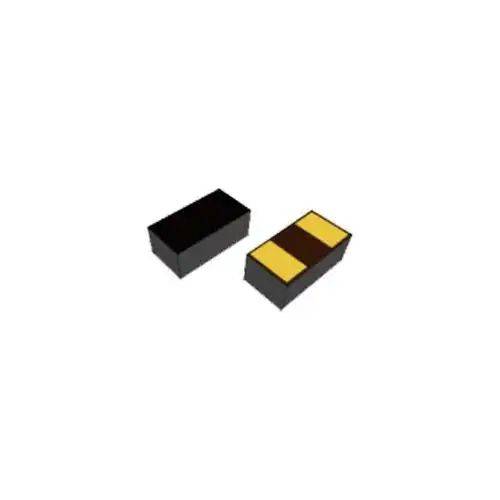
Basic composition of luminous diodes
The luminous diodes consist mainly of semiconductor materials and are usually made of compounds such as silicon and arsenic. Its structure consists of the p- and n------------------------------------------------------------------------------------------------------------------------------------------------------------------------------------------------------------------------------------------------------- this structure is the basis for led work
Movement of currents
When electrical currents pass through the luminous diodes, the electrons move from the n semiconductor to the p semiconductor, and the p semiconductor is empty (positive charge) to the n semiconductor. This process is called "complex," that is, electronics combine with empty holes. During compounding, electrons release energy and are launched in the form of light, which is the principle of lighting the diode
The color and power of light
The colour of light from the led is closely related to the energy belt structure of the semiconductor material used. Different semiconductor materials have different bandwidths, which directly affect the energy and wavelength of the photons. For example, the light from arsenic is red, while the light from nitrogen is blue or purple. By selecting different materials, manufacturers can produce leds of various colours
Photo-efficient
The light efficiency of the luminous diodes is an important indicator of their performance. Led energy conversion is more efficient than conventional incandescent and fluorescent lamps and can generate more light with less energy. This is largely due to their low heat loss and efficient current conversion rates. Modern leds can be luminescenced to over 100 luminous watts, well above their lighting technology
The problem of heat dispersion
While leds perform well in light efficiency, the problem of heat dispersion is still an area that cannot be ignored in practical applications. If heat generated during the luminescent process is not distributed in a timely manner, the performance and lifetime of leds are affected. Therefore, in the design of leds, the design of dispersing systems is very important, often using aluminium or its heating materials to help diffuse heat
Life expectancy and stability
The life of leds is usually long and can reach tens of thousands of hours in normal use. This is because leds work at lower temperatures and are not vulnerable to mechanical vibrations and voltage fluctuations. The stability of leds also enables them to work normally in various environments, suitable for outdoor and harsh applications
Environmental characteristics
Leds have clear environmental advantages compared to traditional lighting. Leds do not contain harmful substances such as mercury, and their energy efficiency and longevity reduce waste generation. Low energy consumption in leds also contributes to the reduction of carbon emissions, consistent with the concept of sustainable development
Lighted diodes (leds) are gradually replacing traditional lighting devices as a new source of light with the advantages of efficiency, environmental protection and longevity. By understanding its working principles, we can better apply led technologies and promote innovation and development in the lighting industry. As technology continues to improve, led applications will become more relevant and more convenient and comfortable for people's lives