


The one-stop experience hall for safety education in the workplace is a real simulation of safety education for workers. The experience centre includes the following elements:
1. Safety education courses: security education courses offered at the experience hall, including training in site safety, safety practices, emergency response, etc. Through these courses, workers can learn about safety and raise safety awareness and skills。
2. Simulation of the site environment: the real site environment is simulated within the experience hall, including construction sites, high-altitude areas, electrical installations, etc. Workers can operate in these simulated environments and deepen their understanding and understanding of safety practices。
With the development of society and the improvement of people's standard of living, security issues have become a focus of attention. As a means of general education in science, the security experience facility helps people to better understand and master safety knowledge and skills and to raise awareness and capacity for self-protection. Therefore, we should take full advantage of the strengths and characteristics of the security experience to enhance advocacy and outreach so that more people can benefit from this mode of security education. At the same time, we should constantly innovate and refine the design and functioning of the security experience to improve the effectiveness and quality of education in science and to contribute significantly to the stable and harmonious development of society。
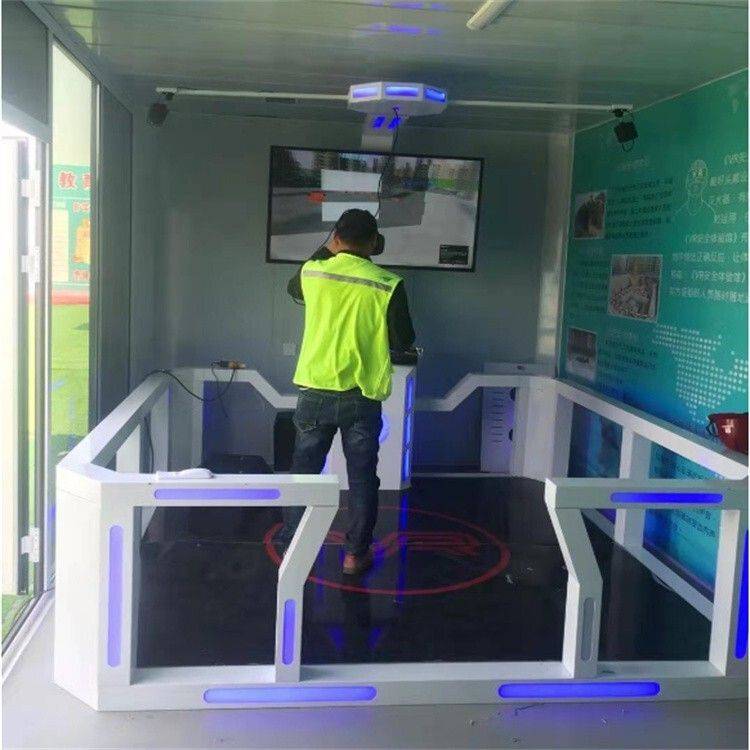
The physical security experience is divided into the physical security experience and the vr security experience, which is divided into the conventional security experience, the gold security experience, the standardized security experience complex and the container security experience. The security experience hall is a field experience project, also known as the “construction experience hall”, which focuses on a wide range of projects, including airports, tunnels, bridges, roads, buildings, etc., by modelling the construction environment on the ground, providing a realistic demonstration of areas prone to security problems, and experiencing the importance of people becoming involved in their own efforts to understand security issues. To make safety training more targeted, instead of "war on paper" security education, let's not talk about it and let the construction staff experience it。



