Effective management of fire safety (streamlined practical version)
I. Responsibility improved
- identification of those responsible for fire safety, of managers, of the levels at which statements of responsibility are signed, and of those responsible for their duties。
- regular fire-fighting conferences to address the risks and ensure accountability。
Ii. Conclusion closes
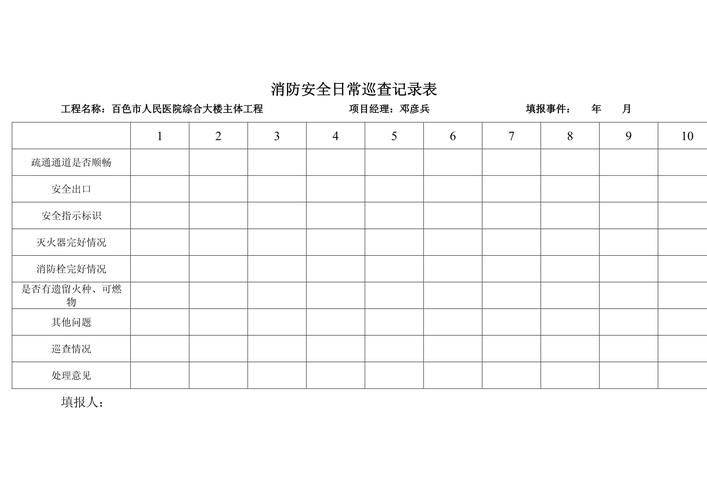
- daily inspection + special inspection + seasonal screening, with emphasis on electricity, fire, gas, fire escape, equipment。
- the detection of hazards is immediately registered, overhauled and reviewed, resulting in a closed circle of “check-and-check-and-selling” and a major risk is registered with the executive。
Iii. Equipment of facilities
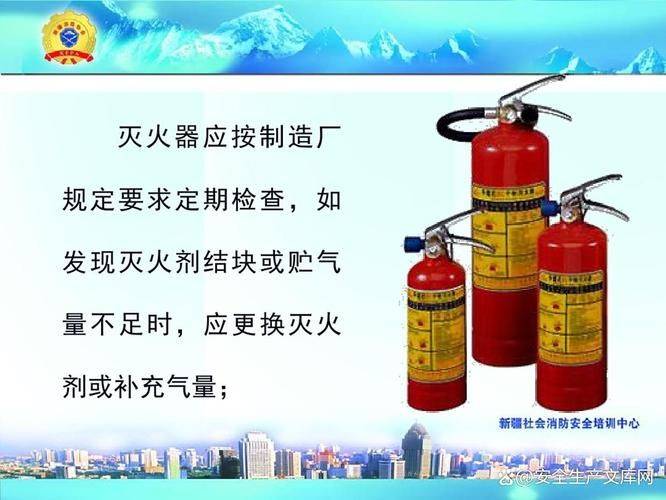
- standardized fire extinguishers, embolisms, emergency lighting, evacuation signs, etc。
- periodic inspection, maintenance, trial pressure and drug substitution to ensure availability at all times。
Iv. Clear access
- occupation, congestion, closure of evacuation routes and safe exits are strictly prohibited。
- maintenance of open access to fire trucks and prohibition of parking and stacking。
V. Electronic regulations for firing
- strict authorization for fire operations, exclusive supervision and on-site cleaning of flammable materials。
- regulation of electrical wiring, prohibition of private diversion, overloading of electricity and regular detection of electrical equipment。
Vi. Sensitization training in place
- regular fire-fighting training is conducted to disseminate “three sessions” (knows the danger of fire in the premises, alerts, extinguishes fires, evacuates escapes)。
- certification for key positions and mandatory pre-service training for new staff。
Vii. Practice of emergency emergency
- develop improved fire suppression and emergency evacuation plans and organize at least half-yearly exercises。
- clarify evacuation routes, guide personnel and assembly points to ensure effectiveness of the exercise。
Viii. Arms management guidelines
- creation of a fire tower account, which is fully accessible, including hazard management, facility maintenance, training exercises, inspection records, etc。
- be evidence-based, evidence-based and accountable。
Ix. Private control
- management and care of priority areas such as warehouses, distribution rooms, chemical dangerous sites and fire areas。