I. Existing visit-wide structure system
Ii. Hydraulic systems
Iii. Staffing system
Iv. Air manpads
V. Ship environment control system
Vi. Aircraft fuel systems
Vii. Aircraft fire protection systems
I. Existing visit-wide structure system
1. Composition of external wing structure: fuselage, wings, tail wings
2. Their respective characteristics and rationale
1) airframe
The fuselage is used primarily to load personnel, cargo, fuel, weapons and aircraft-mounted equipment and, through it, to connect parts such as wings, tails, landing gear, etc. Engines are also often placed inside the fuselage on light aircraft and strikers, and on assault planes。
2) wings
The wings are the main components of the aircraft that are used to generate lifts and are generally divided into two sides. The wings usually consist of flat wings, rear wings, triangles, etc. Both the front and the rear edges of the wings remain essentially flat, the front and rear edges of the wings are recoiled and the wings are triangulated into triangles, the former for low-speed aircraft and the latter for high-speed aircraft. Lately, advanced aircraft have also used plane shapes such as strip wings, ex-busting wings, etc。
The rear of the left and right wings are equipped with a sub-wing, which is used by pilots for roll-on. That is, when the pilot turns to the left pole, the side wing on the left wing is tilted upwards, and the side wing on the right wing is down; the side wing on the right wing is tilted downwards, and the right wing is increased, and the aircraft rolls to the left when the two wing lift differentials. Flaps are also installed on the rear edge of the right and right wing in order to reduce take-off and landing landing speeds and to reduce take-off and landing slip distances. Flaps are normally in the closing position and drop when they land。
3) tail wings
The tails are divided into vertical and horizontal tails。
Vertical tails
Vertical tails are installed vertically at the tail of the fuselage, with the main function being to maintain the directional balance and manipulation of the aircraft。
There is usually a steering wheel at the rear end of the vertical tail. The pilot used the rudder for directional manipulation. When the pilot takes the right rudder, the direction rudder is right and the relative flow is blown to the tail, which produces a left-to-left side force which, relative to the centre of gravity of the aircraft, produces a right-wing rectangle for the head and thus for the right of the aircraft. Similarly, on the left rudder, the rudder is left, the head is left. Certain high-speed aircraft, with no independent rudders, are detached by their tails, which are referred to as full-action tails。
2. Horizontal tail wings
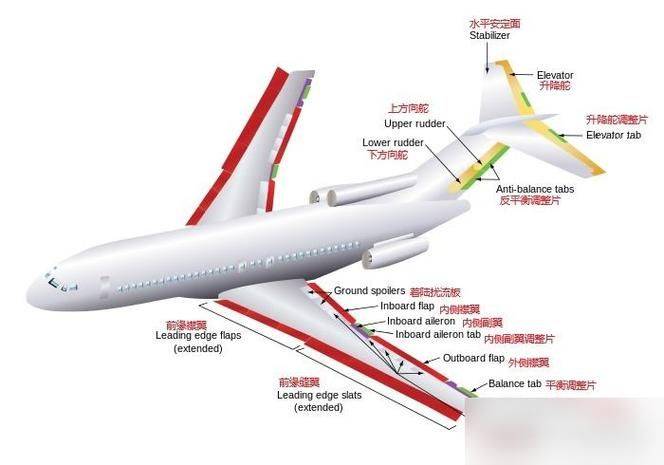
The horizontal tail level is installed at the tail of the fuselage, with the main function being to maintain the overhead balance and overhead manipulation. Low-speed aircraft with horizontal recoil front sections are non-manageable, followed by lift and landing rudders, which are used by pilots to operate overheads. That's when the pilot pulls the pole, ups and downs the rudder, and when the relative air flow blows to the horizontal tail, the horizontal tail is generated
The additional negative lift (downward), which produces a rectangular force on the aircraft's centre of gravity, leading to its rise. The same pilot pushes the lower rudder and lowers his head。
Some of the aircraft have horizontal tails in front of their wings, which are called ducks. The horizontal tails in front of the wings are then referred to as duck wings or forward wings. There are also a number of aircraft without horizontal tails, which are referred to as tailless aircraft。
Some aircraft now also use a three-sided layout, that is, both the front and the horizontal tails behind the organic wing。
Ii. Hydraulic systems
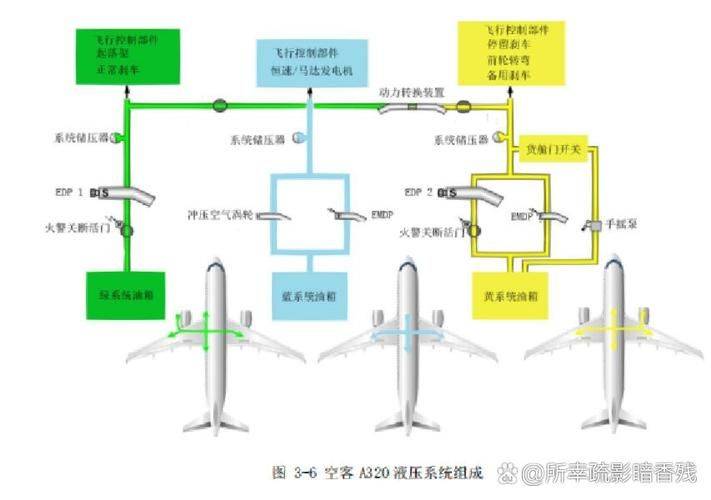
1) by function, consisting of four elements: power element, execution element, control control control element
Auxiliary shapes
2) by sub-systems hydraulic source systems and working systems 2
Composition of the basic hydraulic system: tank, pump control, or door, two-way motion drum, hair, motivational drive pump, choice of live door
3. Modus operandi: the main function of the flow of non-compressible liquids in closed pipelines to move the aircraft parts with characteristic windows that can be used to transfer pressure
The purpose of the landing gear is to enable the aircraft to take off, land, slide and park on the ground or water
Fire. The landing also absorbs impact energy through landing devices to improve landing performance。
2. Form of the landing gear
Early land landings were simpler, with only three landings and in the air
We can't close it. We're in a lot of resistance。
Modern land-based aircraft landing devices include landing gears and landing gears to improve their performance, which can be collected upon take-off to reduce flight resistance. Devices to improve the performance of landings include, inter alia, take-off accelerators, wheel brakes, brakes, etc. Water-borne aircraft are replaced by floats。
3. The rationale for the landing gear system
1) buffering principle: tyres and buffers generate compressions like springs when flying logs land
Deformation, increasing the time of the disappearance of the vertical fraction, thereby reducing impact。
2) brake deceleration: drivers increase brake pressure to act as friction on rounds add
Large, coupled with increased friction with the ground, has effectively reduced the distance from which the aircraft land。
Iv. Air manpads
1. Overview of aircraft control systems
An aircraft-handling system is the entire system from the pilot's cockpit (drill) to the horizontal tail wing, sub-wing, rudder, etc., used to transmit pilot-manipulation instructions to change flight status。
Early manoeuvring systems are purely mechanical ones consisting of pull rods, shaking arms (or wires). Modern aircraft use a lot of automatic controls in their operating systems, so, usually
It's called the flight control system。
2. Composition of aircraft-manipulation systems
Composed of master-manipulation systems, auxiliary-manipulation systems and warning systems
1) main manoeuvring systems include sub-wings, up and down rudders
2) auxiliary manoeuvring systems include: lifting devices, resistance devices and horizontal stability noodles
3) warning system including take-off and speed alert
V. Overview of the module environmental control system, 1
The cabin environment system's basic mission aircraft are equipped with sound environmental parameters under various flight conditions to meet normal working and living conditions of flight personnel, passengers and equipment。
2. Technical measures to overcome adverse aerial environments
Due to adverse conditions such as oxygen deficiency, low pressure and low temperature at high altitudes, certain technical measures are required to ensure the safety and comfort of personnel in high altitudes。
1) aerobics
2) airlock (volatilization)
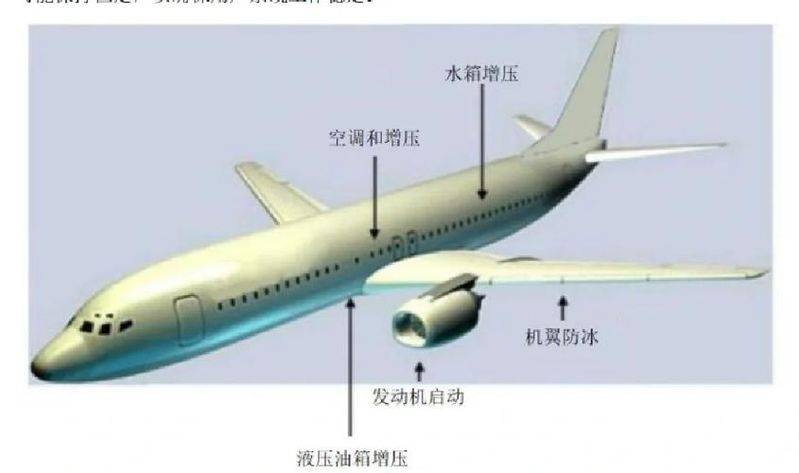
3. Gas-source systems
1) the role of the gas source system: to provide for the use of increased air with a certain flow, pressure and temperature
Pressure system。
2) type of gas source system: self-gas turbine motor pressurizer, apu or ground gas source。
4. Seat air pressure control systems
1) the main function of the air-pressure control system: control of air flow to the cabin, regulation
Temperature, elimination of excessive moisture in air, eventual distribution of air conditioning air to air vents in the compartment。
2) main composition of the air-pressure control system: cooling system, pressing air system, temperature
The control system, recycling system and distribution system comprise several subsystems。
Vi. Aircraft fuel systems
1. Overview of aircraft fuel systems
1) use of aircraft fuel systems
Fuel storage
2. Safe and reliable delivery of fuel to engines and apus under prescribed flight conditions
3. Readjusted focus position to maintain aircraft balance and wing structure stress
4. Refrigeration of other attachments as a source of cooling
2) characteristics of aircraft fuel systems
3. The existence of a fuel pump fast-dismantling facility may allow for the dismantling of the pumps and improve maintenance performance
4. Imaged fuel control panel
5. Avoiding dead oil
6. Use of pressure for refuelling
7. Introduction of air-conditioning mailboxes
8. Emergency oil release system
3) composition of aircraft fuel systems 1. Gas tank ventilation system 2. Refuelling/pumping system 3. Emergency discharge system 4. Oil supply (oil) system 5. Measurement and instruction system
Vii. Composition of the aircraft fire protection system 1)
A complete aircraft fire-fighting system consists mainly of two main components: fire detection and fire suppression. Fire detection systems typically consist of fire sensors, fire control components, fire alarm signal devices and connecting lines. 2) the role of aircraft fire protection systems
Mainly used to monitor aircraft fires, smoke, overheating and leaking gas pipes