Han baiyu is a pure white marble, a limestone form with flash crystals. From ancient times in china, this stone has been used to make stone steps and fences in palaces, known as "the jade plasters" and so to call them han baiyu. The watch, the golden water bridge, the palace's base, the steps, and the fences are made of han baiyu. Han baiyu produced about 30 per cent of all marble production. Han baiyu was also used to engrave statues and so on, and the west used white marbles as human statues in ancient greek times. Marbles have a variety of colors and textures, and the white and flawless marble is han white jade, which is white and white, which contains flash crystals and glitter, which is a very expensive building material。
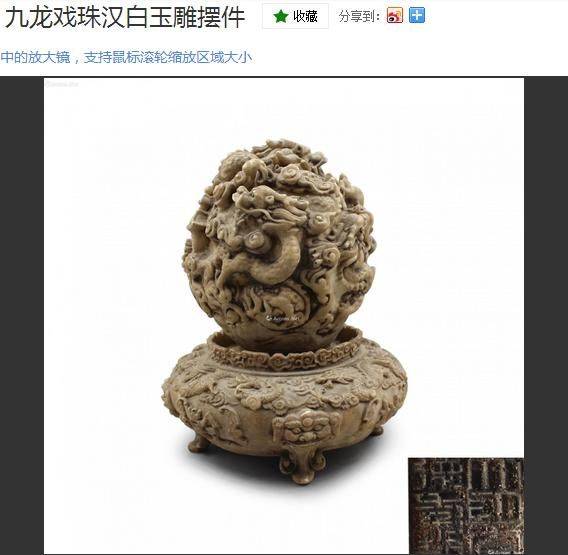
In historical data, marble mining dates back at least to the time of don dynasty, when tang dynasty built the three towers of the temple of st. Mary over a thousand years ago, it was built with excellent marble sculptures and with a high degree of craft. Historic mausoleums, such as the ancient palaces of beijing and the thirteenth mausoleum, have made extensive use of yunnan marble. The extraction and processing of marble until the 1950s remained in the form of manual production, until 1953, when the marble plant was built, and the process gradually progressed towards mechanization, with an increase in the variety of products and an increase in processes. Its products, in addition to domestic needs, are widely sold in south-east asia and arab markets。
How can we tell the truth? It's actually just a light and three words. A light is the most common light or sunlight, and it's the most important technique. And the three words, "han", "white" and "jake". The word "yu" speaks of han baiyu, which is not a jade, but a marble, which is named after the jade because it is radiant and can pass through light. The word "white" means that it's white enough to be bright, bright enough to turn towards the sun and reach the full eye of venus。
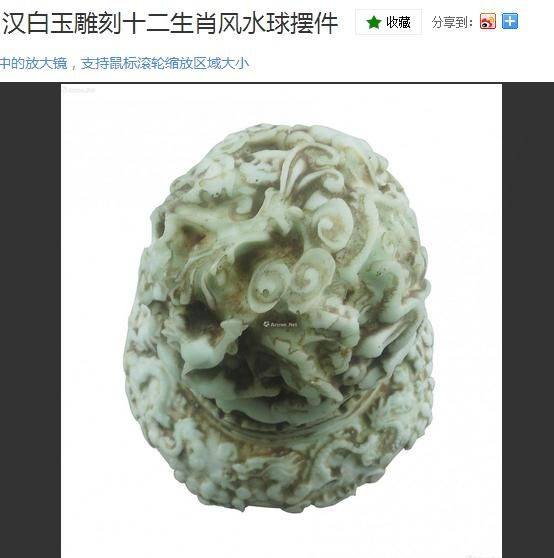
And the most important thing is the word "han". But this "han" is a different word. Han baiyu's "han" was supposed to be sweaty. The word "sweet" represents one of the rarest known features of han baiyu: the real han baiyu is not pure white, but is implicit in shallow lines, like sweat marks. With these three criteria, in broad daylight, one who has a heart walks through the palace and finds that there is little or no ancient construction that meets them。
Some of the so-called han baiyus meet these three criteria, but they are also false because they are suppressed with stone powder. So how do we know? One of the major shortcomings of han baiyu is the use of false weapons. When you look at han baiyu's carvings, you find a characteristic: whether it be a lion, a watch, or a pole or a rail, no matter how beautiful, there will never be an empty tattoo. This is not because han baiyu's sculptor is inferior, but because of his own shortcomings。
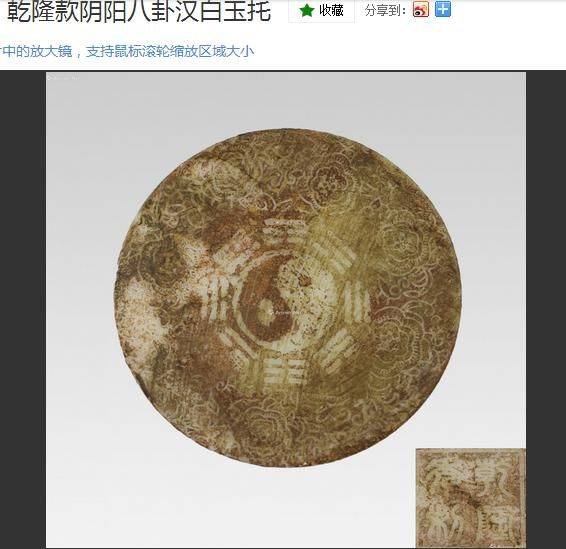
Han baiyu is tough but fragile, so the engraving of han baiyu is called "boncup". For example, to carve a public image of a blue dragon with a moon knife, which, if it is a carving or mud, must be separate from the body. If it's carved with han baiyu, the handle must be attached to the body, so that the sculptor won't eat. As a result, the whole person is like a hammer, and there's no gap in the middle。
Today, many merchants in the market use stone-powdered material, or are made from soft stones, impersonating han. The stone of this type of material is free of the deadly weaknesses of han baiyu and is therefore capable of making complex emptiness formations. But it's these snake tricks that are the most obvious。
Learning exchange: 13537611232