Temperature sensor principles and applications
Temperature is the physical amount of cooling and heat shown on objects, and it's a part of industrial and agricultural production
Important and universal measurement parameters. Measurement and control of temperature for quality assurance fan
Production efficiency, energy conservation, production security and the promotion of the national economy are essential
With. Because of the universality of temperature measurements, the number of temperature sensors is present in a variety of sensors. First
About
50%
Temperature sensors are indirectly measured by changing a characteristic of the object in response to temperature changes。
A lot of materials and components vary with temperature, so they can be temperature sensors
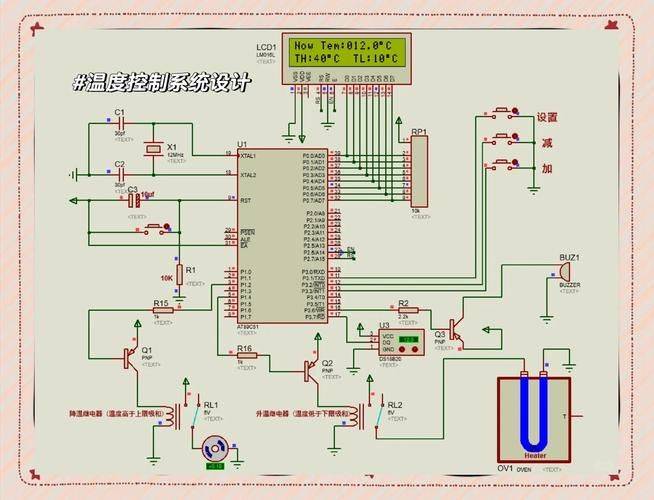
There's a lot of material. Temperature sensors cause changes in physical parameters with temperature: expansion, electricity
Resist, electric, electric, magnetic, frequency, optical properties and thermal noise, etc. With life
New types of temperature sensors will continue to emerge as production develops。
Because of the wide range of temperature measurements in industrial and agricultural production, it ranges from hundreds below zero to thousands above zero
Degrees, and temperature sensors made of materials can only be used within a given temperature range. Common
The type and temperature range of the temperature sensors are shown in the table below。
Type and range of temperature sensors
Principles of measurement
Category
Temperature range
°c)
Features
Heat inflation
Silver temperature of glass
Scale
20-+350
No electricity
Glass organic fluid
Body thermometers
-100-+100
Bimetal thermometer
0-+300
Liquid pressure temperature
200-+350
Gas pressure temperature
-250-+550
Medium accuracy, price