The history of flowers and wine
The history of flower sculpturing can be traced back to ancient china, where sugary, clean alcohol was now popular. But what really makes the flowers famous is the zhejiang shao xing region's “daughter red” and “ring red”. In ancient times, when a daughter was born, she was given wine at home, and when the daughter was married, she was given hospitality, which was referred to as “daughter red”. And if a son is born, then the wine is buried in the cellar, and when the son's gold list is taken out, it is a “ring dollar”. Whether it's a daughter's red or a gin, it's a prelude to a flower sculptor。
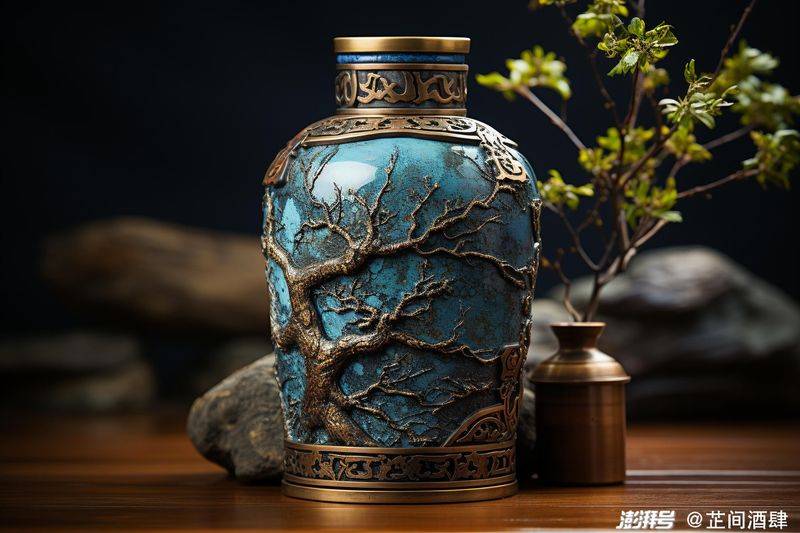
There are various accounts of its origins. One argument is that for various reasons, some alcohol was not taken out of the drink until the day the daughter was married. These early withdrawals, because they are not long enough to be fully daughter-red, are referred to as “flower sculptor”. Another argument is that the ancients want to give away their wine as a gift, and in order to make the wine-filled vessel look good, they are invited to burn out some of the veals, weeds, fishbirds' jars or earth cans, which are meant to be happy, etc., while the yellow wine in such vessels is referred to as a flower sculpture. Either way, it's essentially a type of yellow wine. As the daughter is registered as a trademark, only the zhejiang daughter's wine industry company can now produce her daughter's wine, so the same type of wine produced by other brands can only be called flower sculptor。
The brewing of wine and flowers
The brewing process for flower sculpting is unique and complex. First, good rice is selected as a raw material, which is then fermented with a mix of wheat, radon, water, etc., after impregnation, evaporation, etc. Fermentation is the most important link in the brewing of flowers, and during fermentation strict control of temperature and humidity is required to promote the growth of microorganisms and the formation of fermentation products. They are then squeezed, presented and packaged. In the process of stereotyping, the sculptor needs to be stored in a specific environment in which the unique scent and taste can be transmitted through prolonged sedimentation and fermentation. This process of stereotyping is time-consuming and resource-intensive and therefore relatively expensive. This manufacturing process requires great skill and experience, and every link is essential。
Characteristics and values of vase
Throughout a long history, flower sculptor has developed its own unique taste and characteristics. It's colored oranges that are clear, tasteful, sweet, fragrance. In comparison with other yellow wines, the sculpturing process is more sophisticated, and the choice of formulations is more sophisticated and therefore of better quality. At the same time, flower sculpturing produces a large quantity of useful substances in storage, such as nutrients such as amino acids, vitamins and minerals, which have high nutritional value. In addition, wine sculpturing is of medicinal value such as cosmopolitan blood, beauty pigmentation and the promotion of blood circulation. In modern medicine, wine sculpturing is widely used in chinese medicine and health care。