In the town of matsuguchi, guangdong, on the old street, on the middle west side。
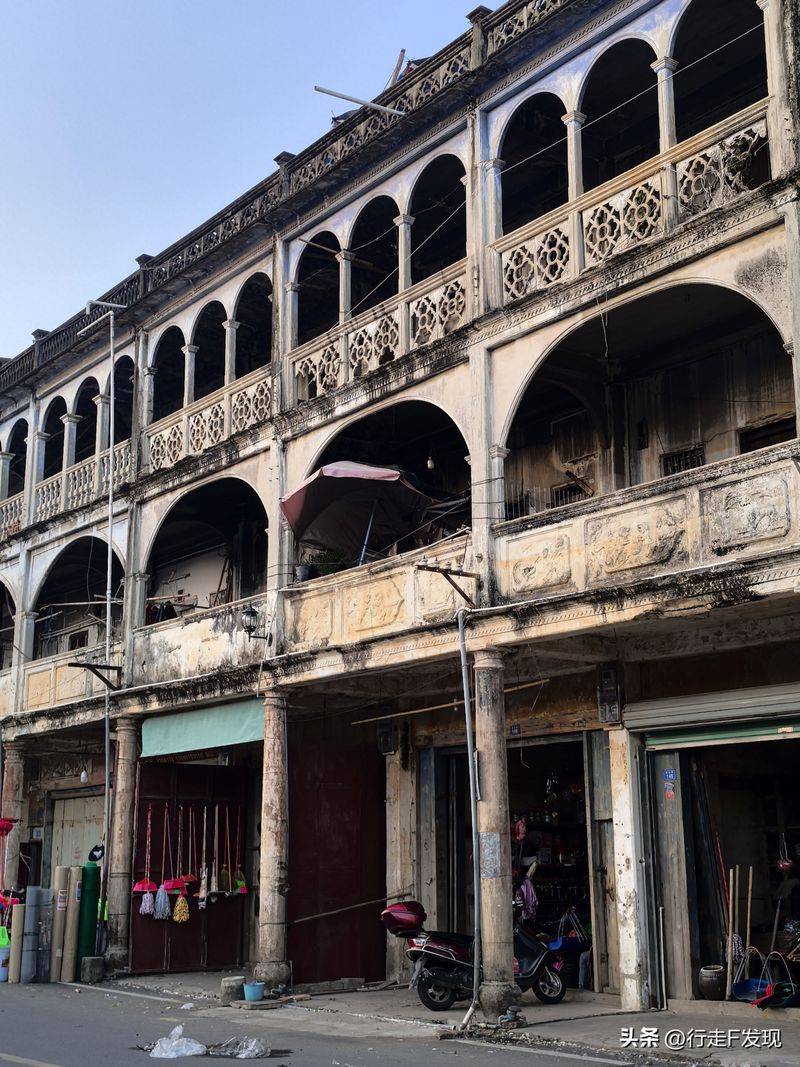
It's a classic building building on an old street
And here there is a detail that the architects call strange — many of the walls are not shaped triangles or arcs, but thin saws and layers。
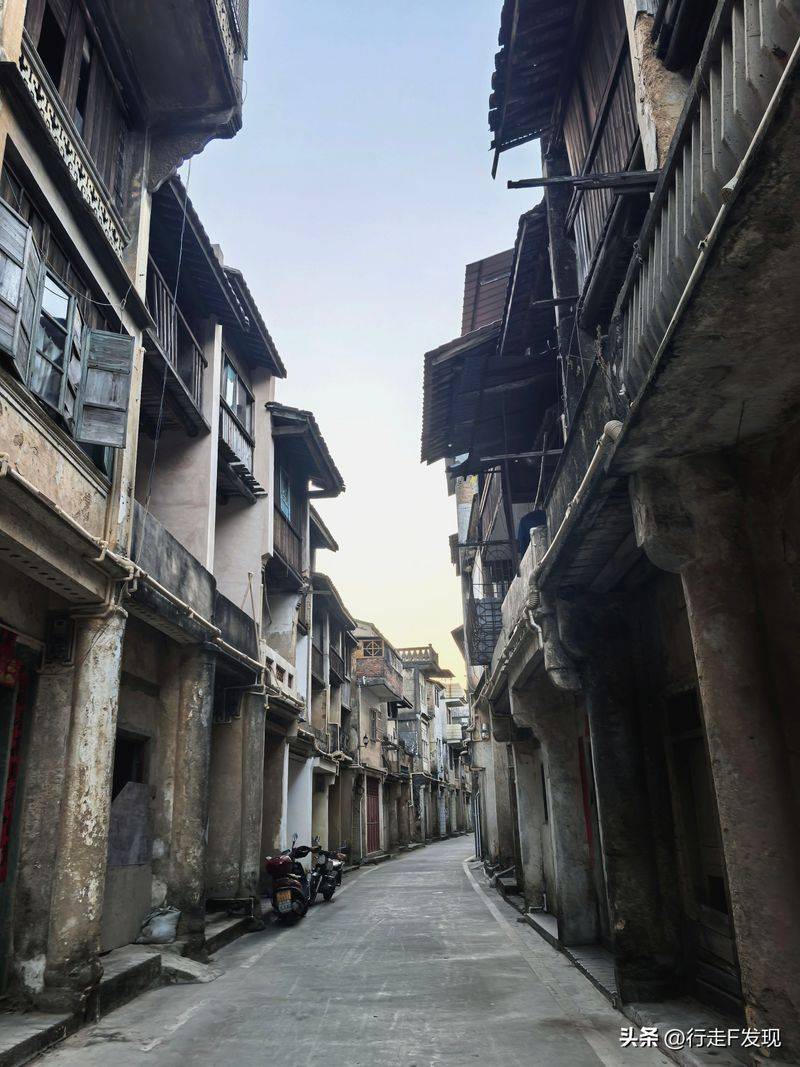
Walking down the old street, you can't see the roof
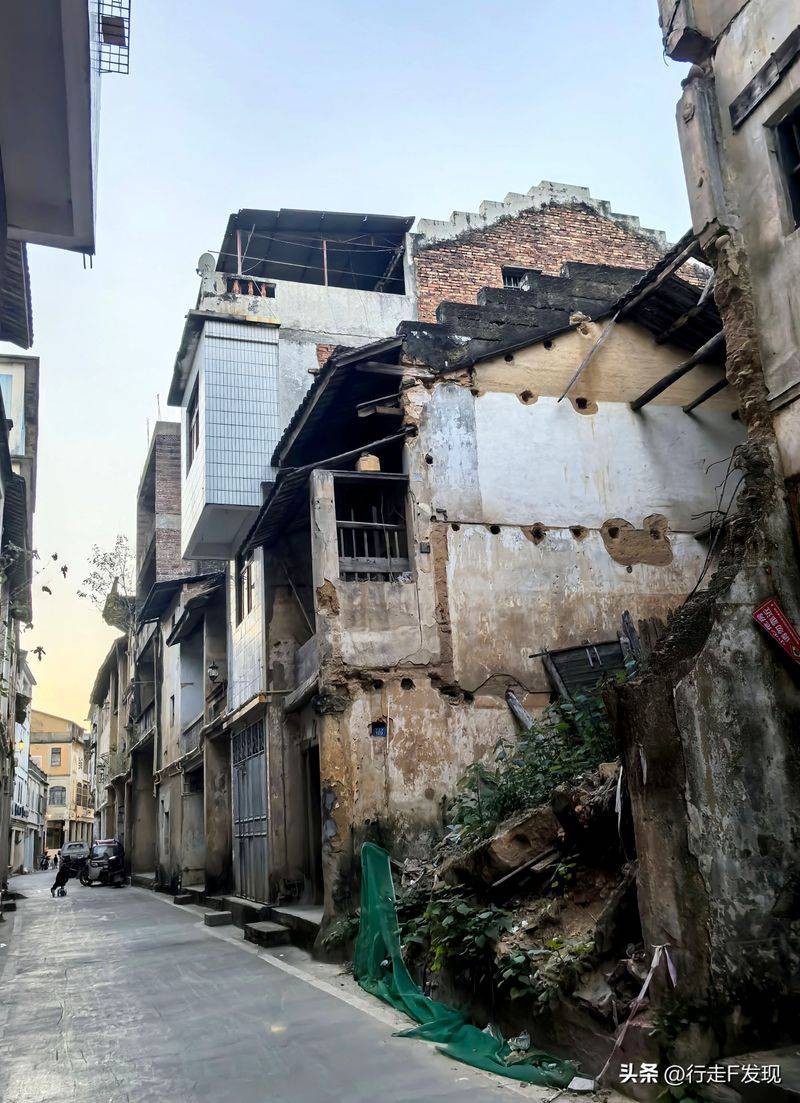
There's a lack of damage to the house
The first person to meet is curious: is it decoration or something else
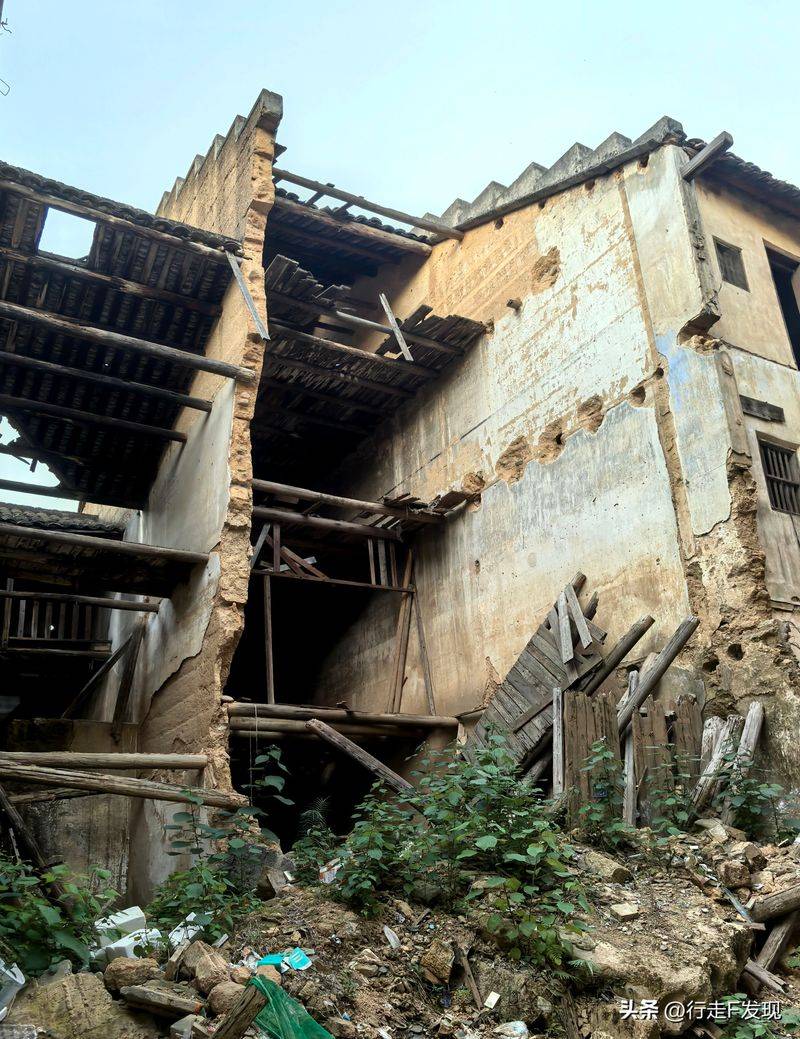
And here you can see clearly the contours of a saw-legged wall
It's like a "simplified" fireproof wall
Just answer the question: you're right. One of the core functions of this sawy wall is fire protection. In the old brick cycling complex, a fire could easily be “fired battalion”. The wall above the roof is like a firewall that effectively prevents the spread of the fire. This practice is called a “flag wall” in traditional chinese buildings, and the cleavages are simply tailored to local conditions。
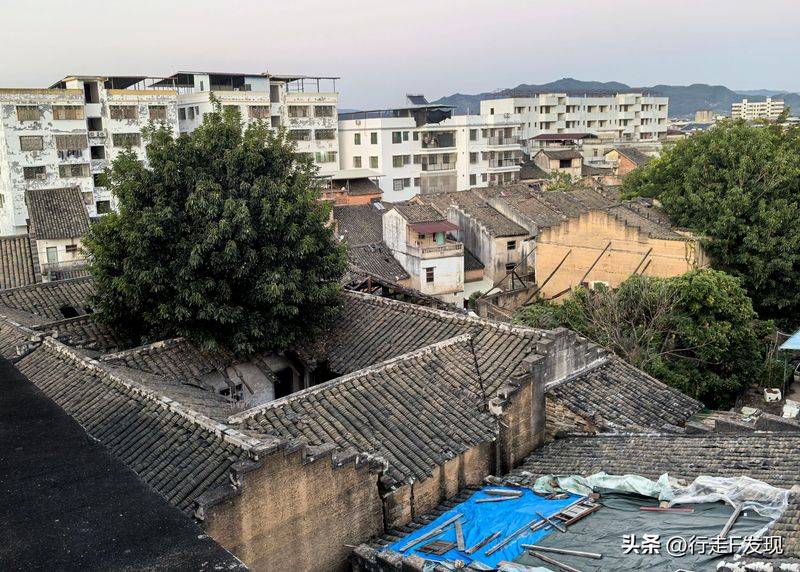
Standing on the roof of the song river hotel and watching this old street
But if it's just fire protection, why do you have to fix it? Isn't it easier to build a straight wall? The secret lies in the fact that the town of matsuguna is close to the may river and that there have been frequent floods in history. Once the flood has swept the streets, there is no escape. Smart craftsmen designed the wall as a step — normally a fire barrier — and when the flood strikes, residents can climb those steps to the roof and wait for rescue. A wall, fire, flood, escape, triple function。
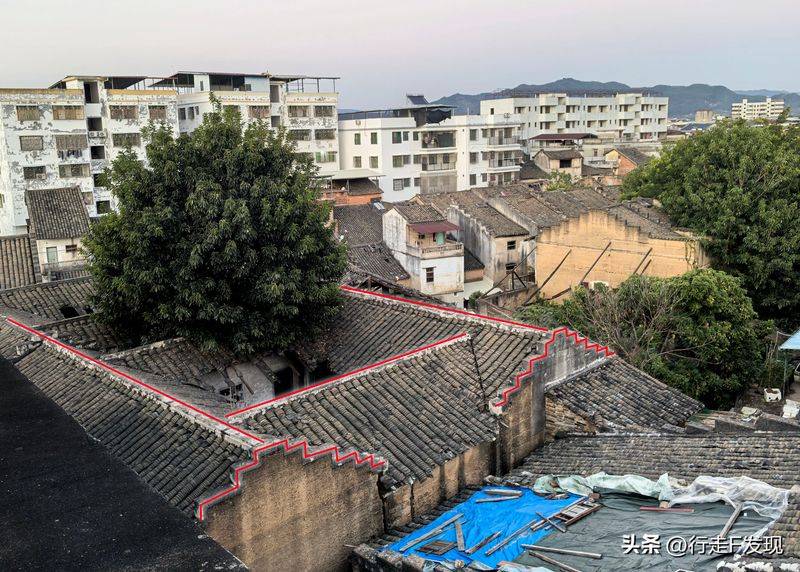
Look carefully -- red mark in the picture
What about the typhoon? It's more stable
Typhoon in the summer and autumn of the spring south. The steeper ladder wall, which is looser than the high horse head wall in gangnam, is smaller in size and low in gravity and is not easily blown down. Moreover, the stairway structure, which can be constructed on a step-by-step basis and saves brick materials, is both practical and economical for chinese living in the lower south ocean。
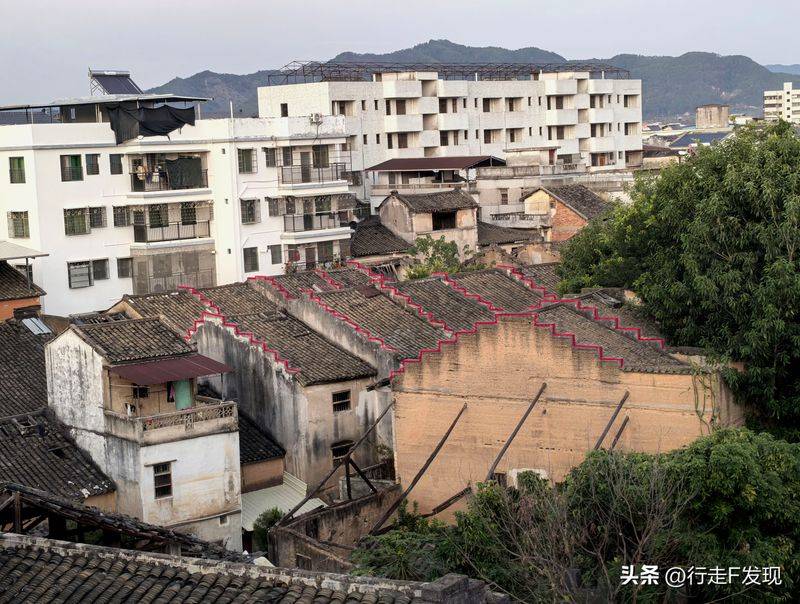
This row of houses is full of sawntooth mountains. Wall
It's a rational design
Another feature that you have observed — “the wall is thin, the column is thin” — is also a finely calculated intelligence. The walls on the street are primarily fenced and do not bear the weight of the body. The real burden is on the inner beam frame and the thick wall of the mountain. So the wall can be thin, the poles can be thin (commonly referred to as “soft feet”), just to satisfy vertical pressure. This has resulted in savings in building materials and light access to the building corridors。
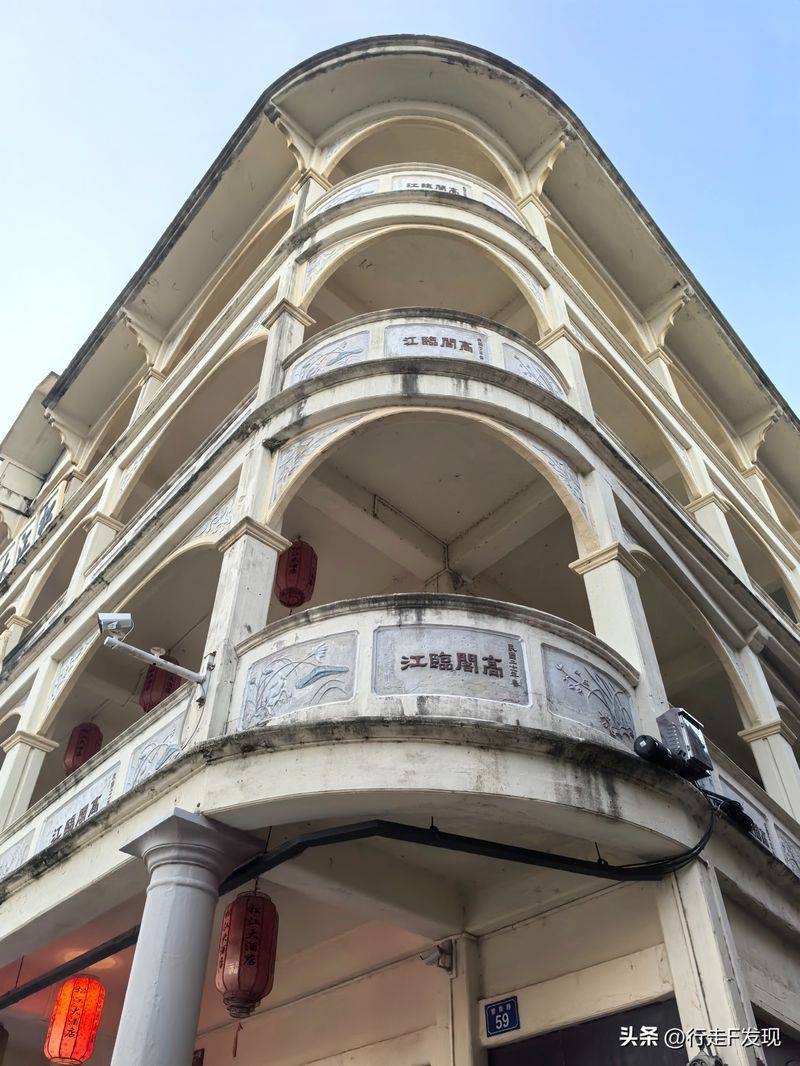
And now, after the renovations on the old street
On the material side, the chinese people are also taking the material locally: they mix the walls with red sugar, rice, or they pour concrete with imported “silent”. The floors are more wooded and can even be dismantled when floods occur to reduce water pressure。
Summary
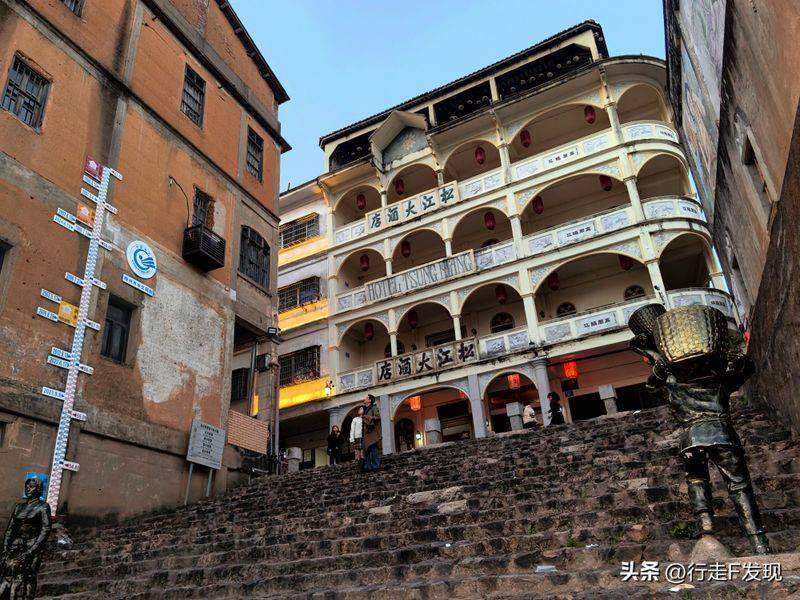
Fireboat docks and water-level gauges in front of the song river hotel
The riding building in the town of matsuguchi, which is not a high-class building, is a history of chinese struggles written with bricks. The sawned mountain walls are not intended to mark new differences, but are the best balance to be found between fire, flood, typhoon and economic costs. Each of them is a reaction of the ancients to natural and man-made disasters。
It's me
Next time you let go, count those steps — not just to the roof, but to the intelligence of the chinese people who lived 100 years ago。