If you go to guangzhou, you will often see the lower floor of the building on the street as a walkway with a home style, which is the "ride building"。
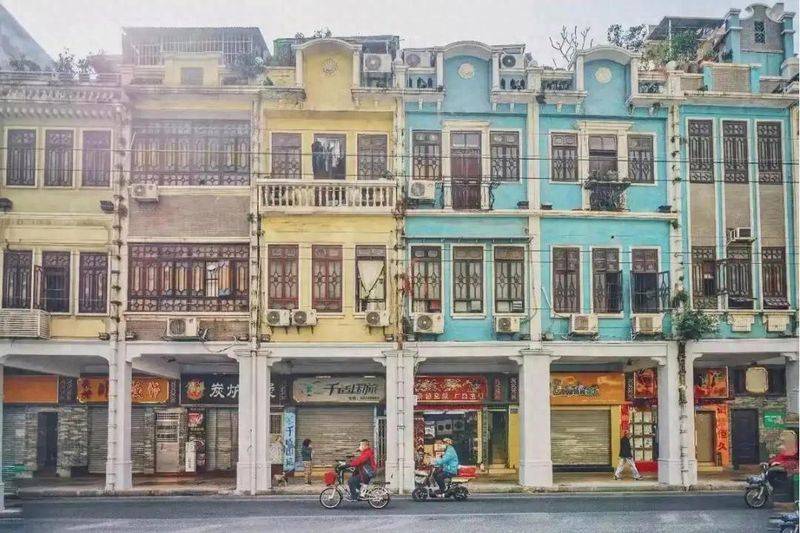
The upstairs residents can protect themselves from the tide and the downstairs corridor from the rain. Doesn't that sound like a dry rail building in the south of china
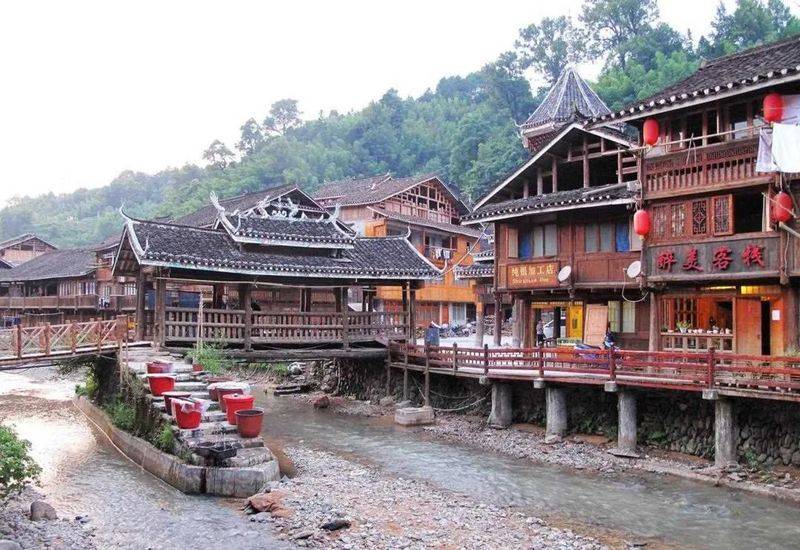
While the two are similar, the cycling building is an external form of construction that originated in the ancient greek “column building” more than 2000 years ago. (peritryle house)
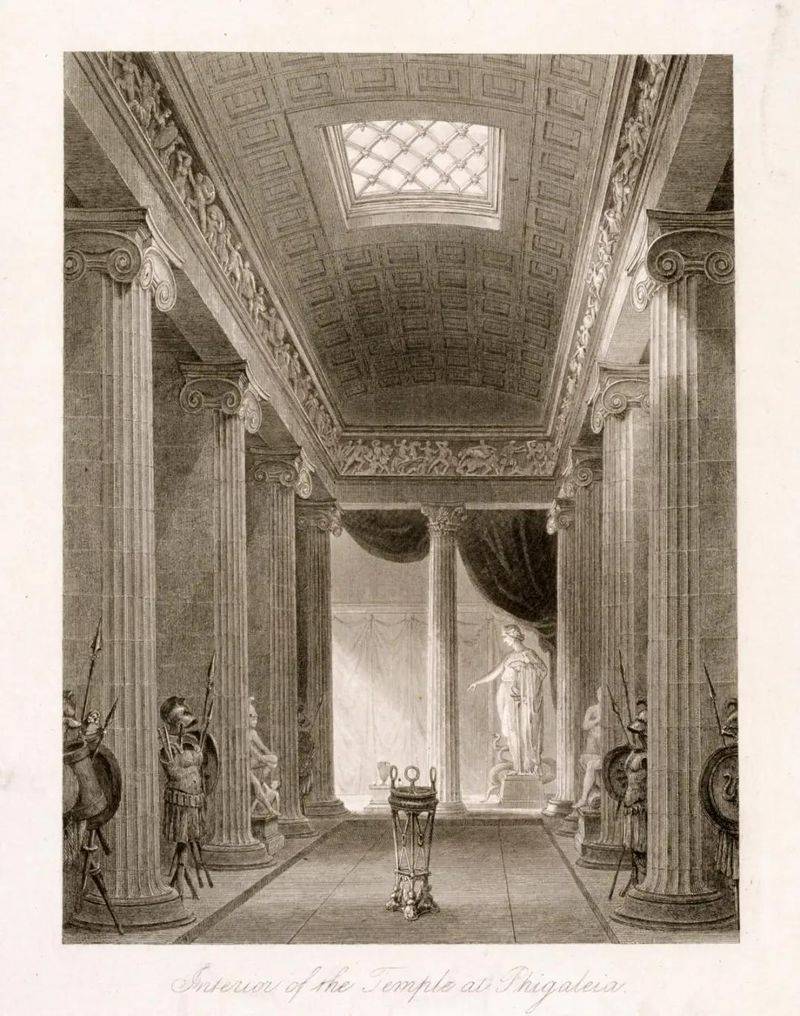
Greece is situated on the northern coast of the mediterranean sea, a typical mediterranean climate, with high temperatures and low rainfall in the summer, with average temperatures ranging from 25 to 30 degrees, and mild and heavy rains in winter. And greece is mountainous。
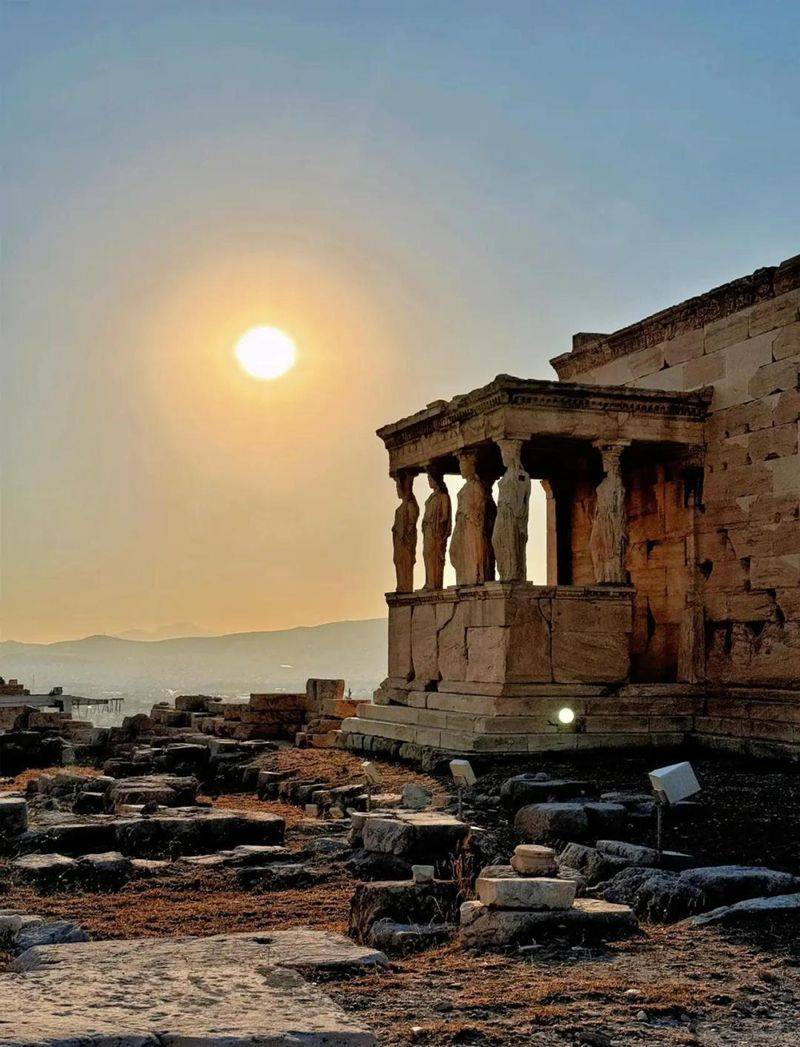
So they often build this wally building on the high ground. The corridors formed can block the summer sun while providing cover for winter rains, and open structures facilitate air flow and avoid indoor heat。
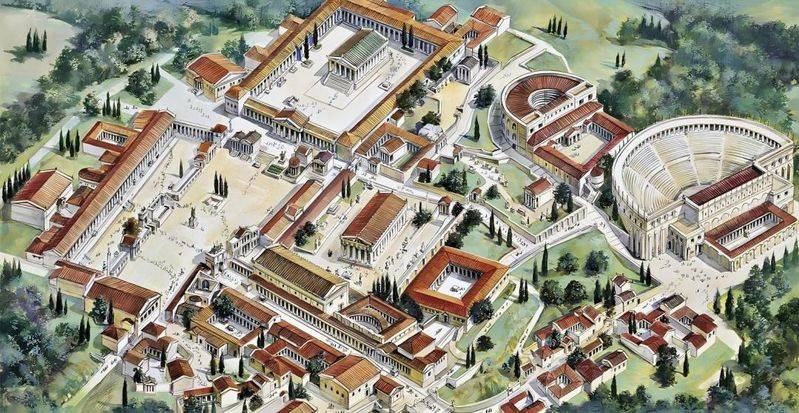
Such buildings are either temples or assembly places, business centres, and are densely populated public spaces, together with the pillars that greatly expand their social reach。
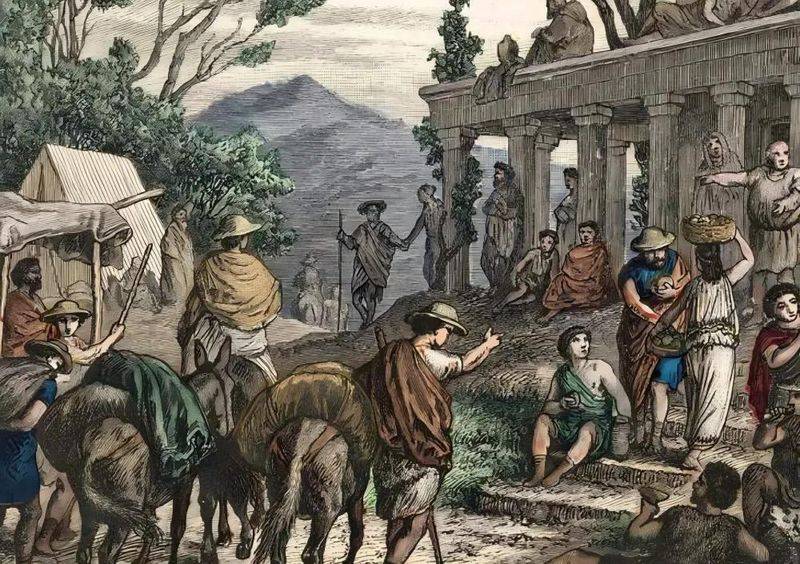
After the fourth century a. D., the romans thought it would be a waste of human and material resources to open a stone of this size, and then the strict pillar of greece was gradually abandoned, and it began slowly to turn to a voucher that could move across a larger space, and the former corridor became an arcade。
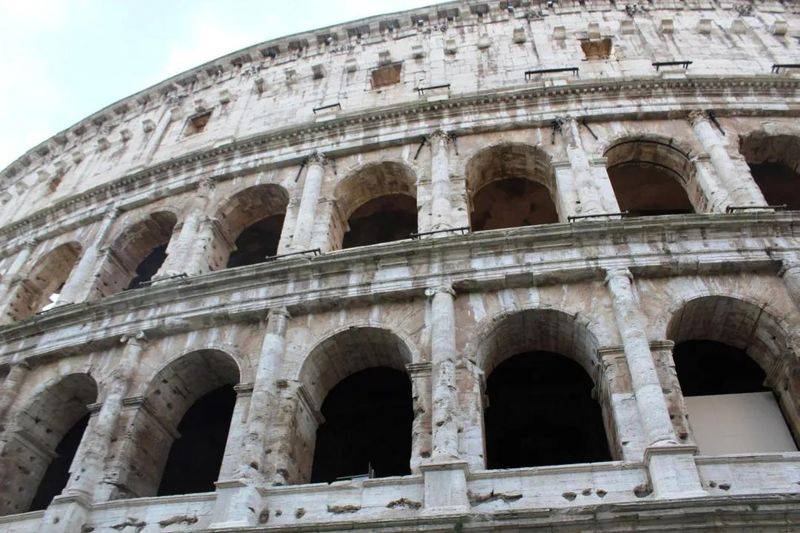
After the 7th century a. D., islamic civilization further strengthened the functions of the “accelerator” (e. G. The outer gallery of mosques) by combining shade, prayer and social functions。
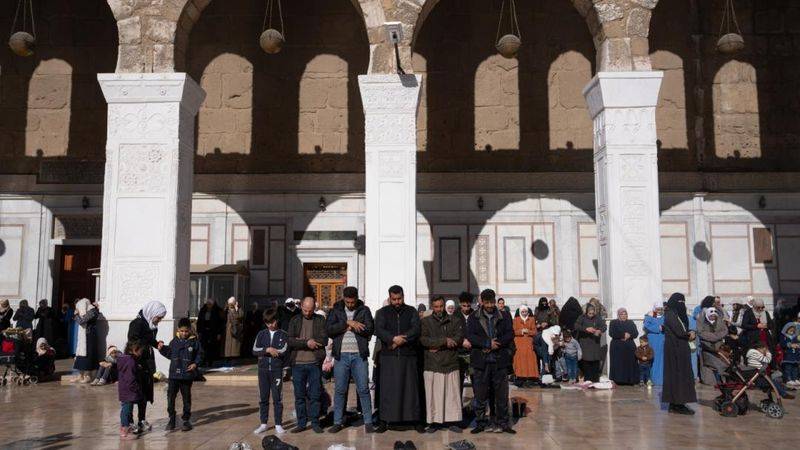
Speaking of which, does the damascus mosque look like a riding building to you
However, this is only the origin of the cycling building, which, in the 17th to 18th century, as european colonial forces entered south asia, the british colonizers built the first modern “riding building” called verandah house in beniapukur, india。
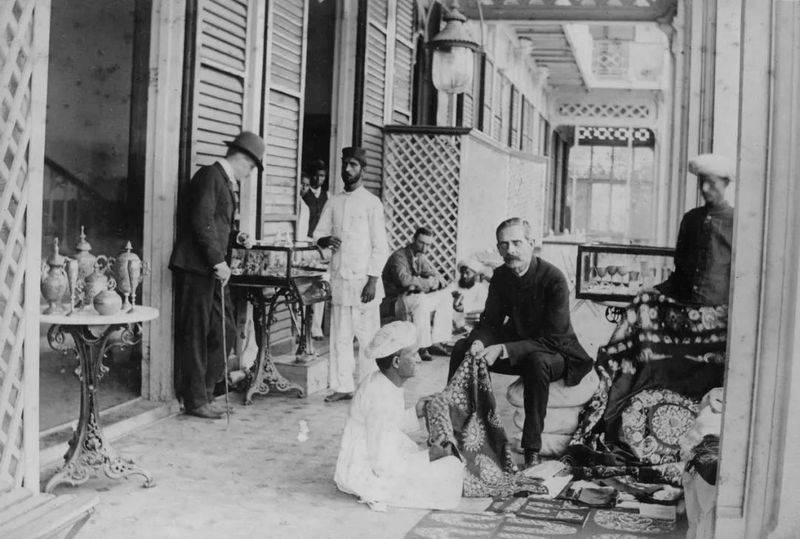
Indeed, the word verandah, which is clearly not the english word, can also be seen, because it stems from the borrowing of the portuguese language “varanda”, which was the first to colonize south asia, and is described as the semi-enclosed nacque space outside the building. Personally, i think it's like a hieroglyph, very like a gallery。

The hot climate in south asia, the widening of the roofs in front of the houses by the colonizers and the corridors, are actually the modern origins of the cycling buildings。
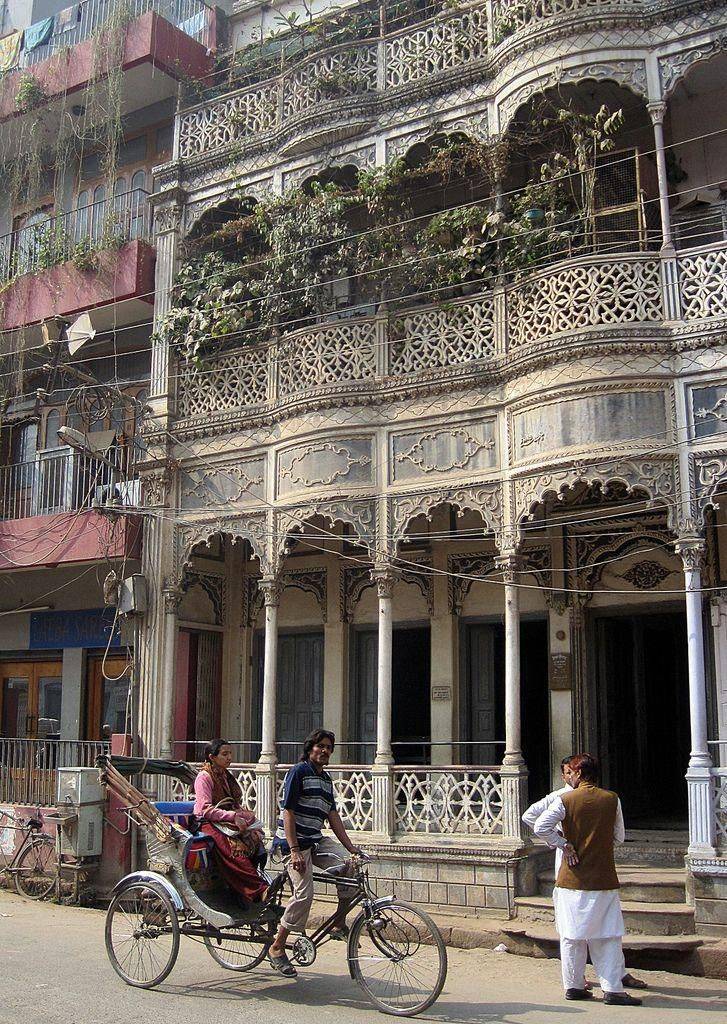
The building combines the european corridor with the wet and hot climate of south asia, with a bottom gallery accessible to pedestrians, with an upper layer of residential space and meeting the demands of the colonial economy, which is called “business as one”。
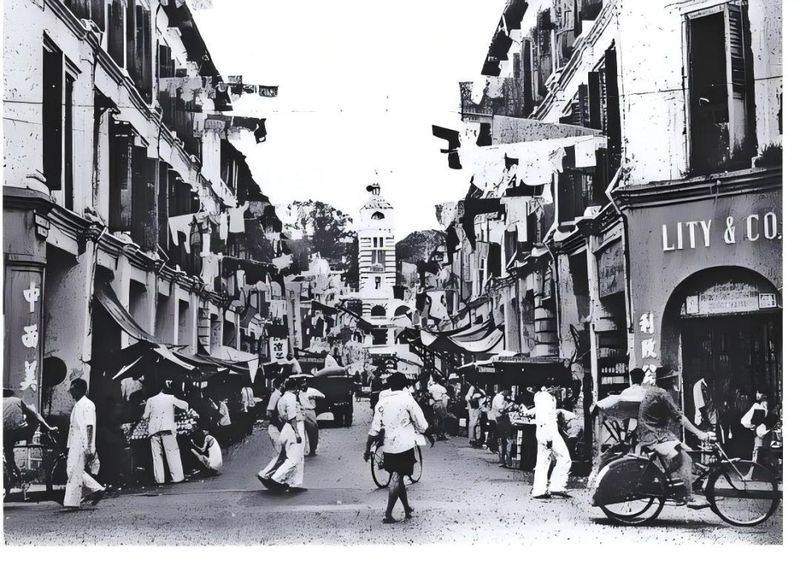
With regard to the colonial economy, we add that colonization is essentially an economic plundering of the colonized, who dump their own goods through local purchases and local wholesalers, while the cycling building is considered the last “retail terminal” of the colonial economy。
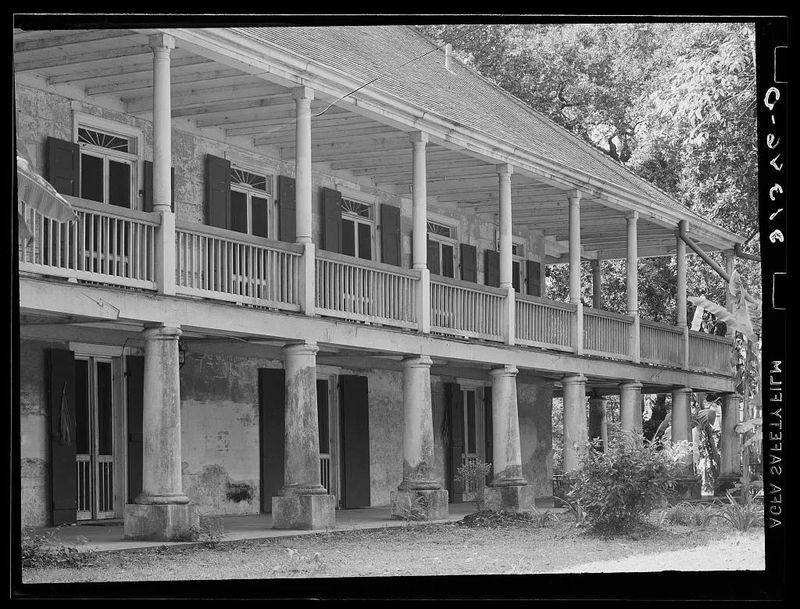
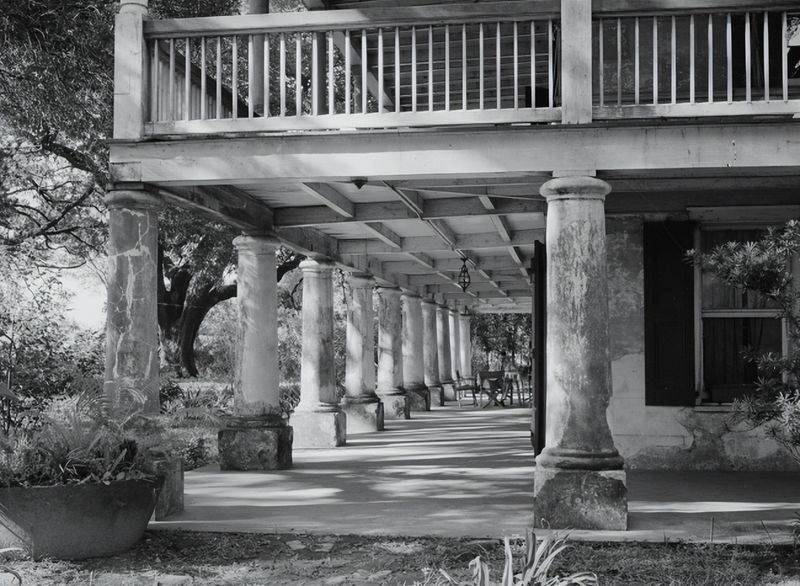
At the beginning of the nineteenth century, the porter of singapore, lefus, in the design of singapore city, required that all buildings must have a five-foot-wide walkway (around 1. 5 m) and a closed roof to provide foreigners with a place to do business。
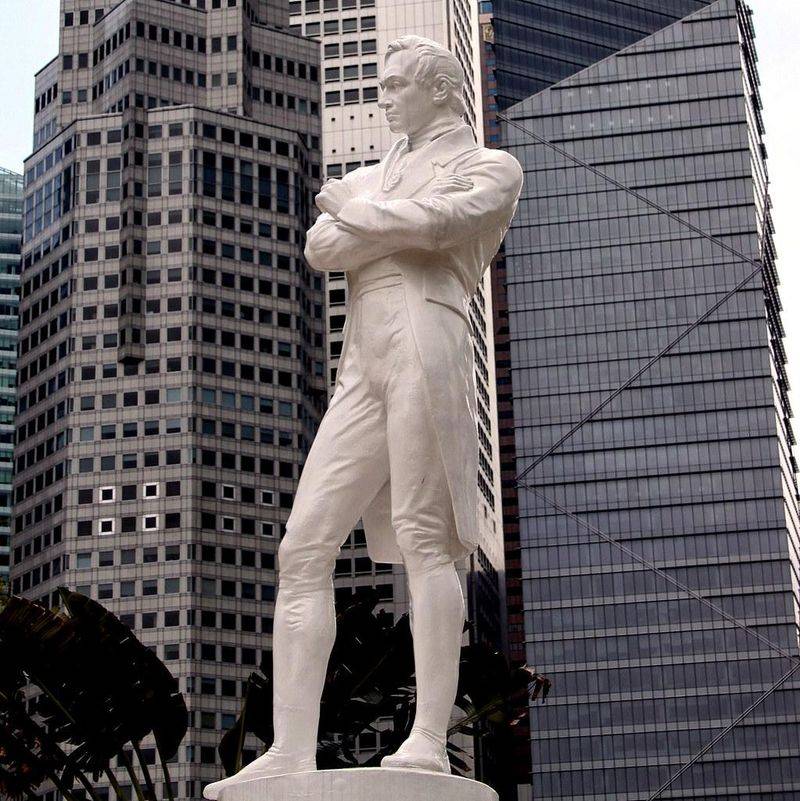
This is known in singapore as the “public corridor” of a shop, or the “five-foot-way”, because both the “foot” in english and the “kaki” in ma's communication have both “foot” and “foot” meaning that the local south chinese concerned translate it into “five foot”。
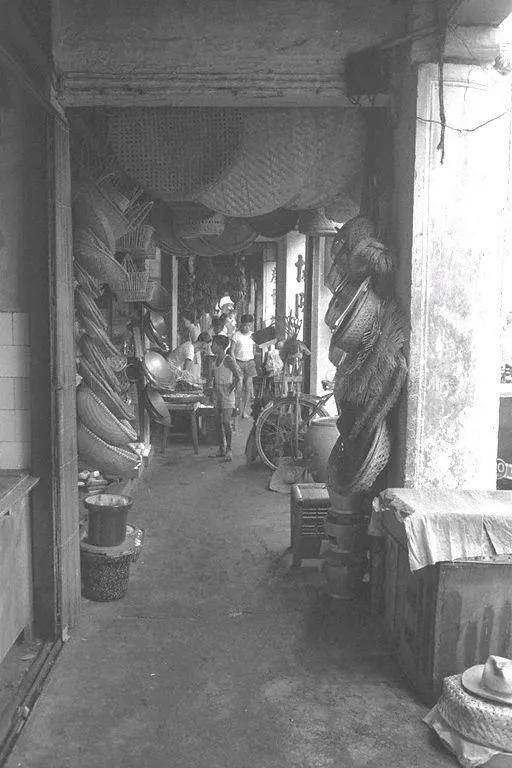
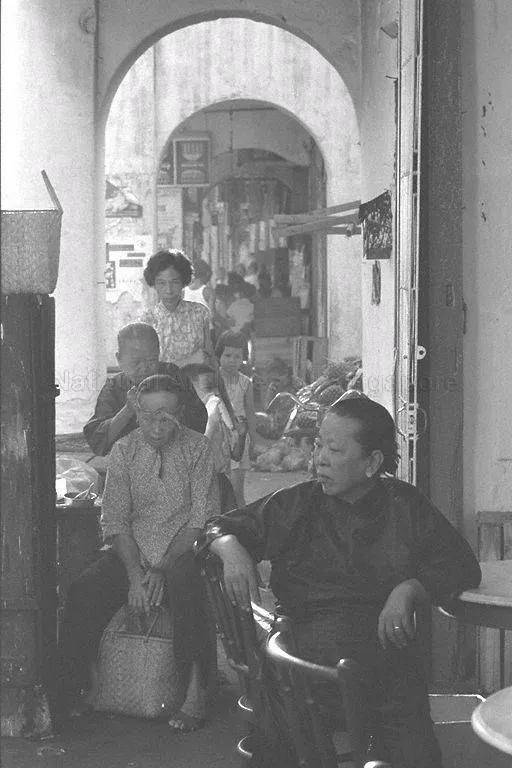
Taiwan calls it the “ting feet” with a width of about 1. 8 to 2. 5 m。
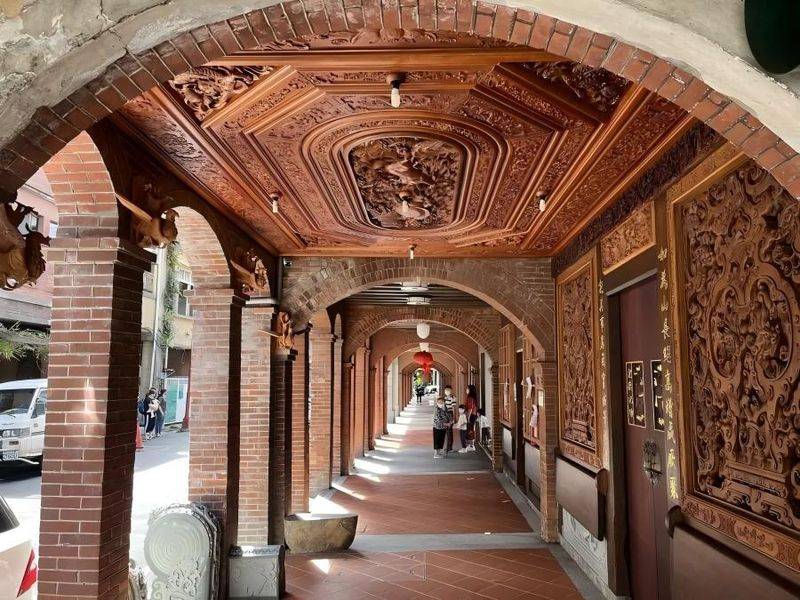
How does this form of construction take root in mainland china
This dates back to the end of the nineteenth century, probably after the opium war (1840), when the colonial economy of south-east asia flourished, with large numbers of people living in south-east china making a living in the south ocean. In the colonies, they were exposed to such corridor structures brought about by the colonizers。
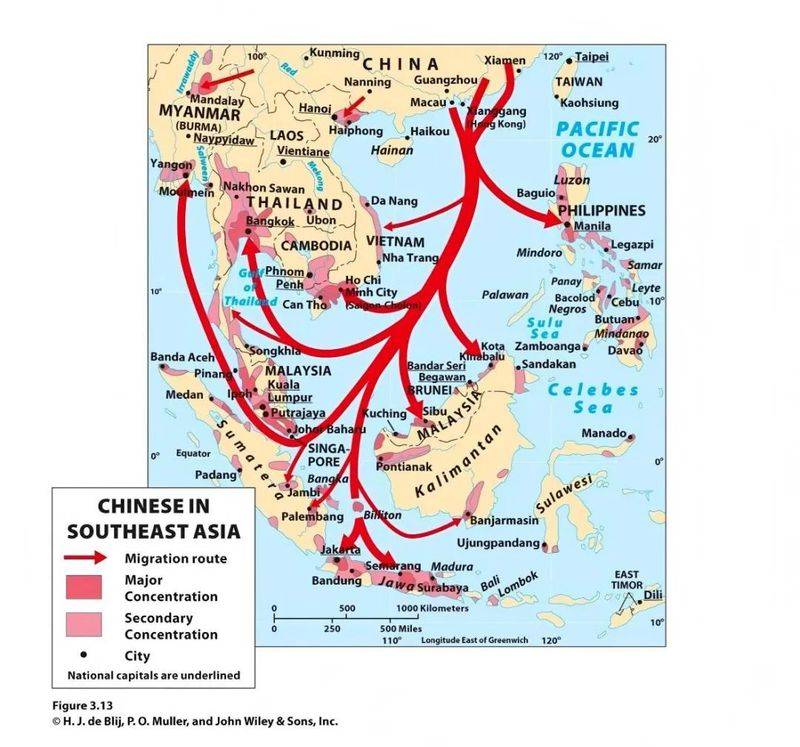
However, although they struggled abroad, they were deeply influenced by confucian culture, with a general mentality of “richness, such as the nightingale”. With china's five traders, the south china diaspora returned to china in large numbers。
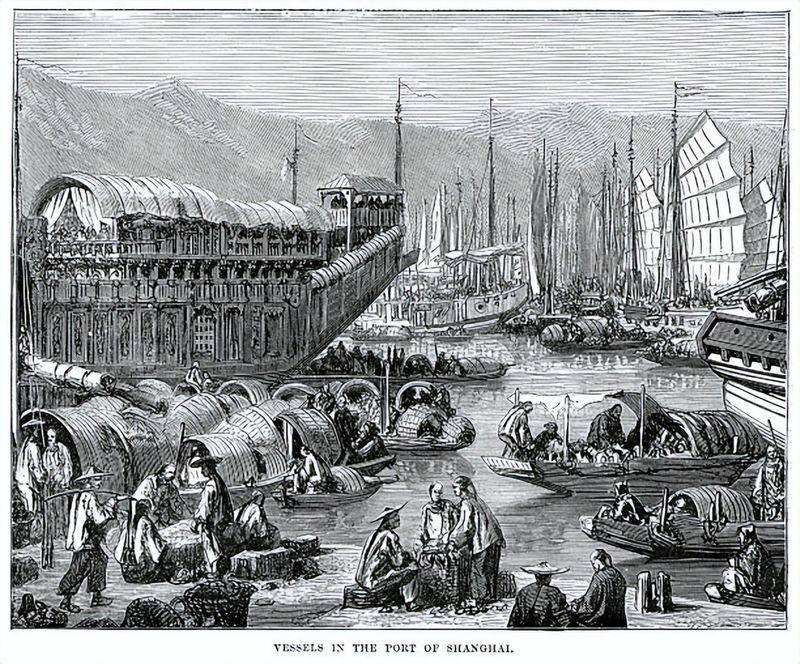
The building is being built through trade and colonization by chinese nationals into the south-east coast of china (gangdong, fujian, hainan and guangxi)。
The first chinese riding building was built in 1849 on the fourth floor of haeguchi (boi ho street) and was modelled on the south asian “five-five-five-five-five” model by a south-east asian businessman. At present, close to 600 such buildings, for a total of 4 kilometres, remain on the old street of seagate。
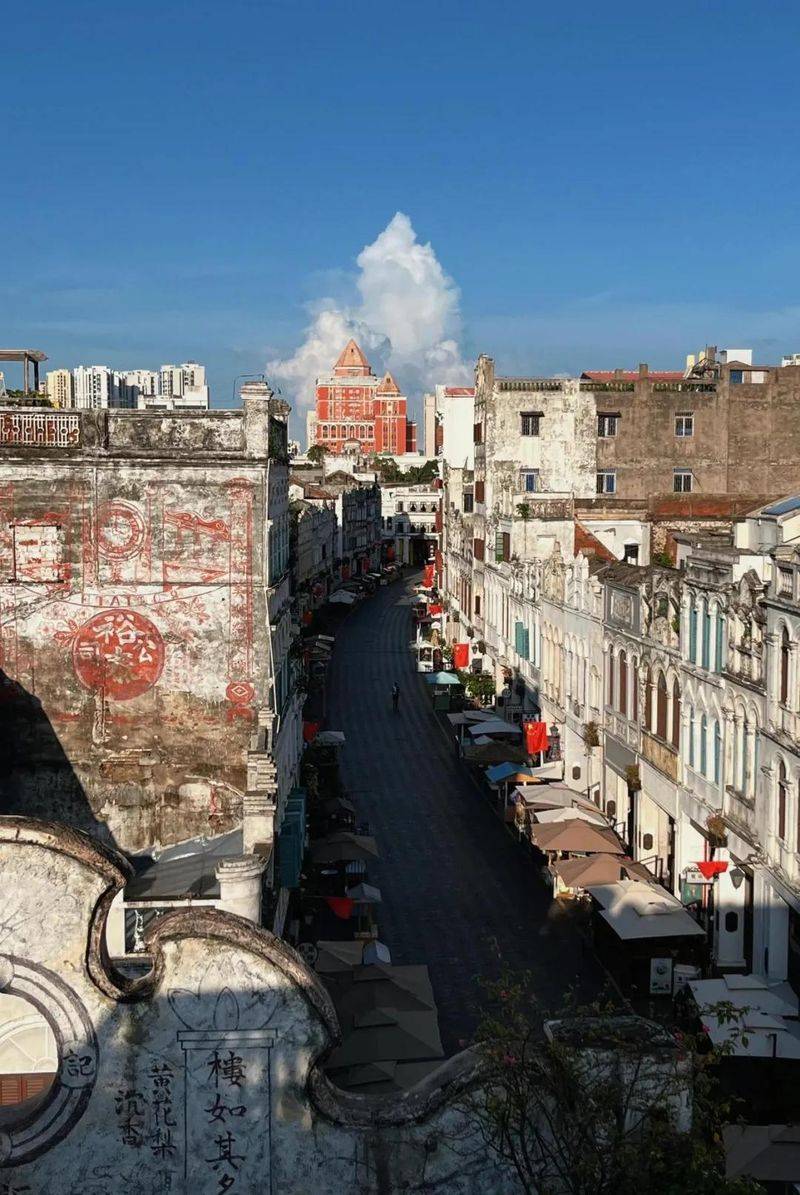
Since then, riding buildings have been built in guangzhou, xiamen and mau dao, although there are no uniform norms at this time, and chinese have built them spontaneously。
In 1878, for the first time ever, the colonial government of hong kong promulgated the ride building rules, regulating the construction of the ride building in a statutory form, requiring that public corridor space be reserved。
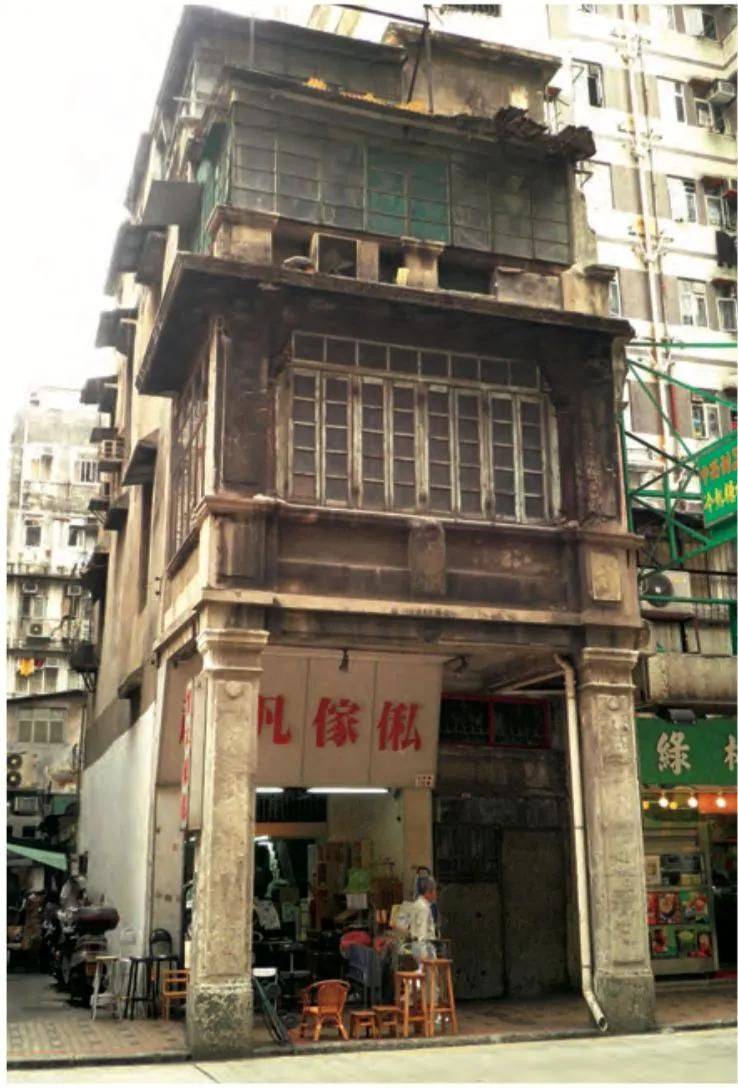
In light of hong kong's experience, the next two broad governors proposed to build an embankment and a “pave” in guangzhou. By 1912, the national government of guangzhou had for the first time explicitly used the term “foot-riding building” in its by-laws and by-laws, providing for eight feet (approximately 2. 5 m) for the construction of new pavements。
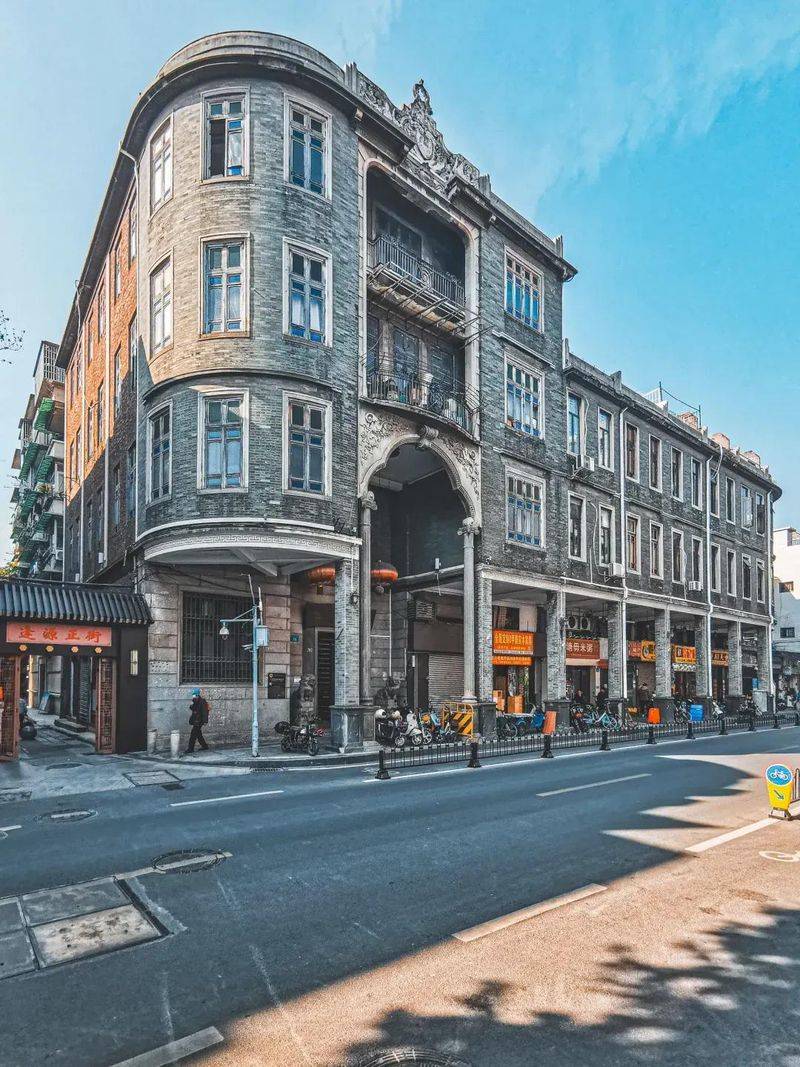
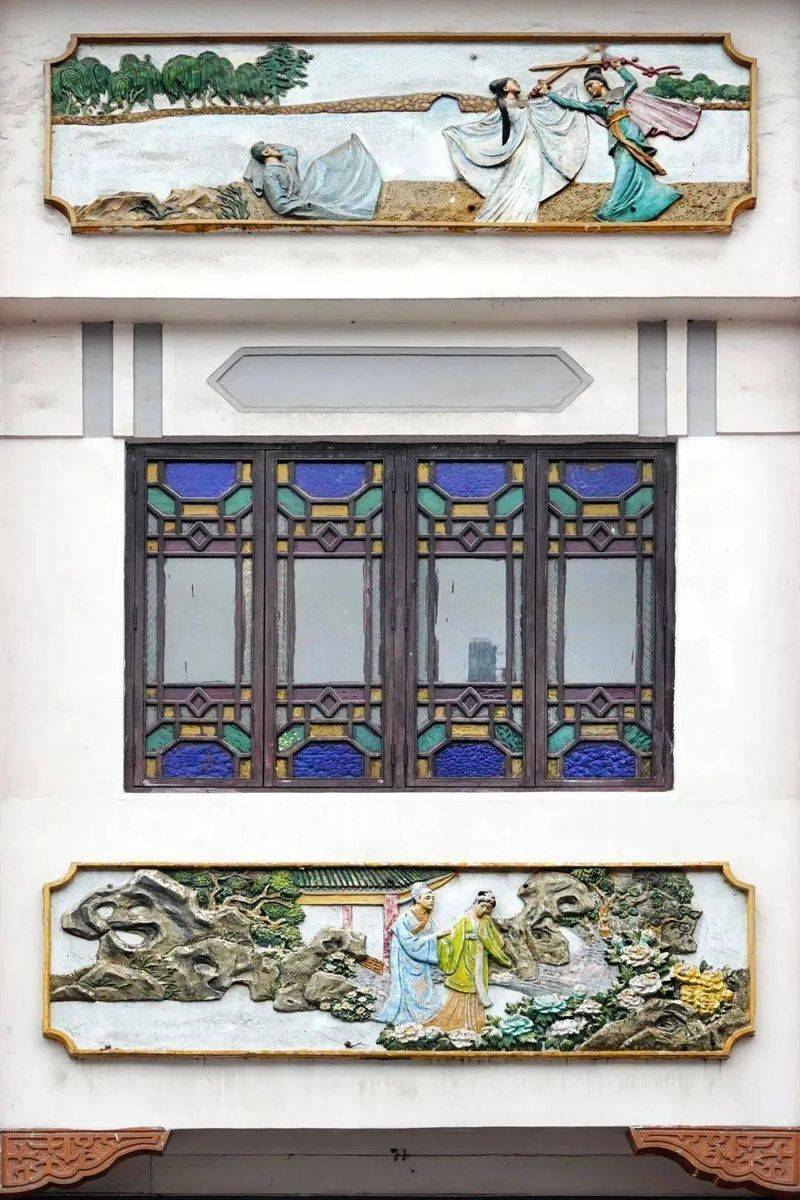
China's cycling buildings naturally add a lot of chinese elements. For example, the manchuria windows can be decorated and luminous。
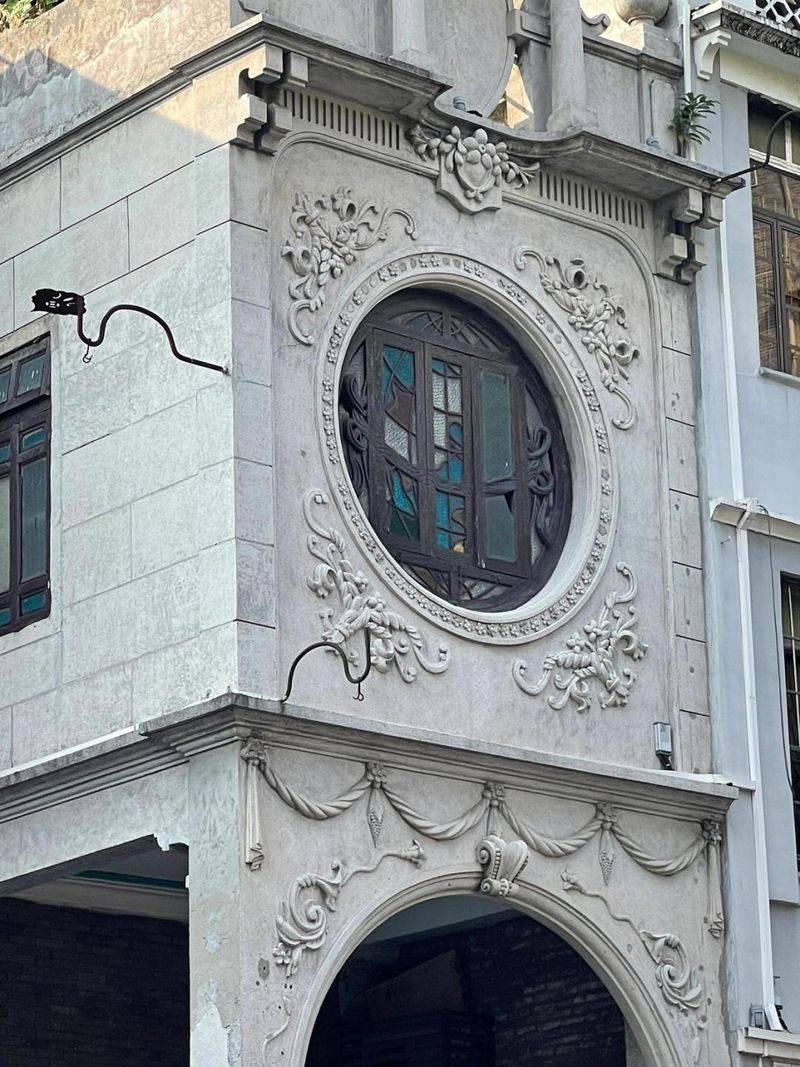
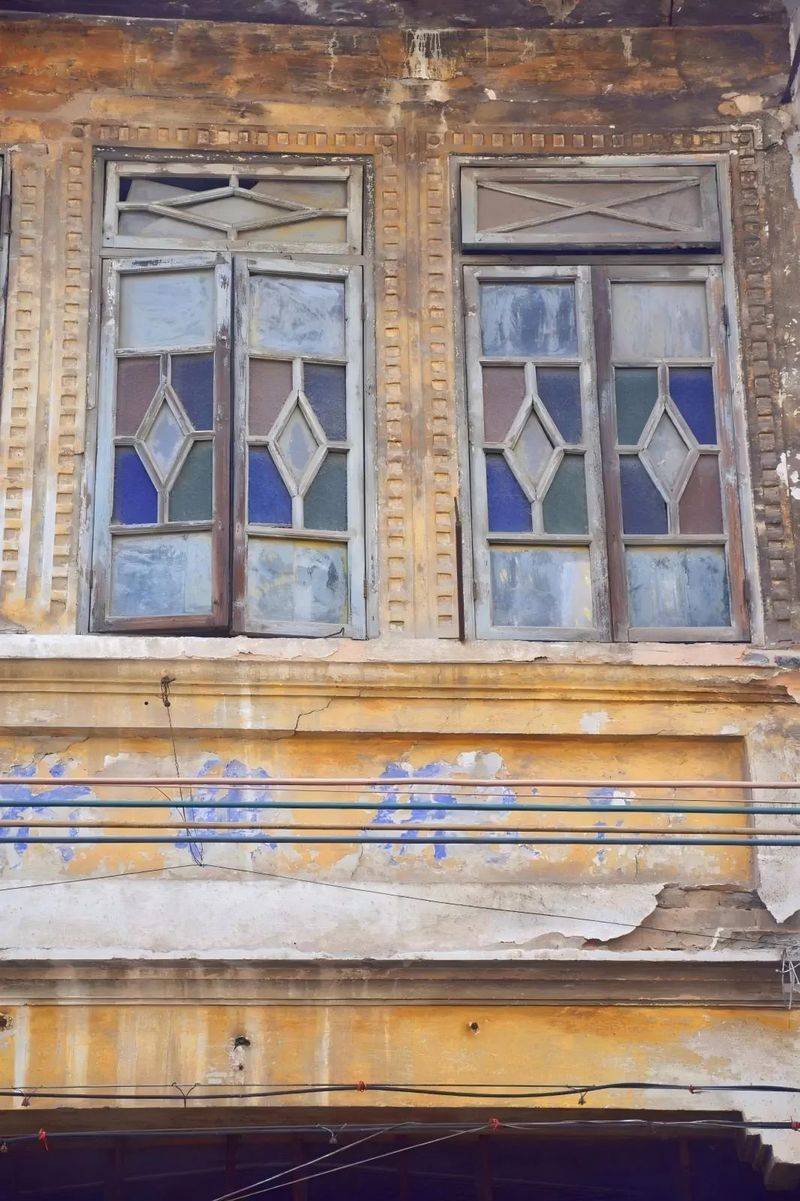
Bricks and ash sculptor are often used on the walls, doors, windows, etc. Of the building, and are located on the roofs, walls, etc., with a wide range of topics。
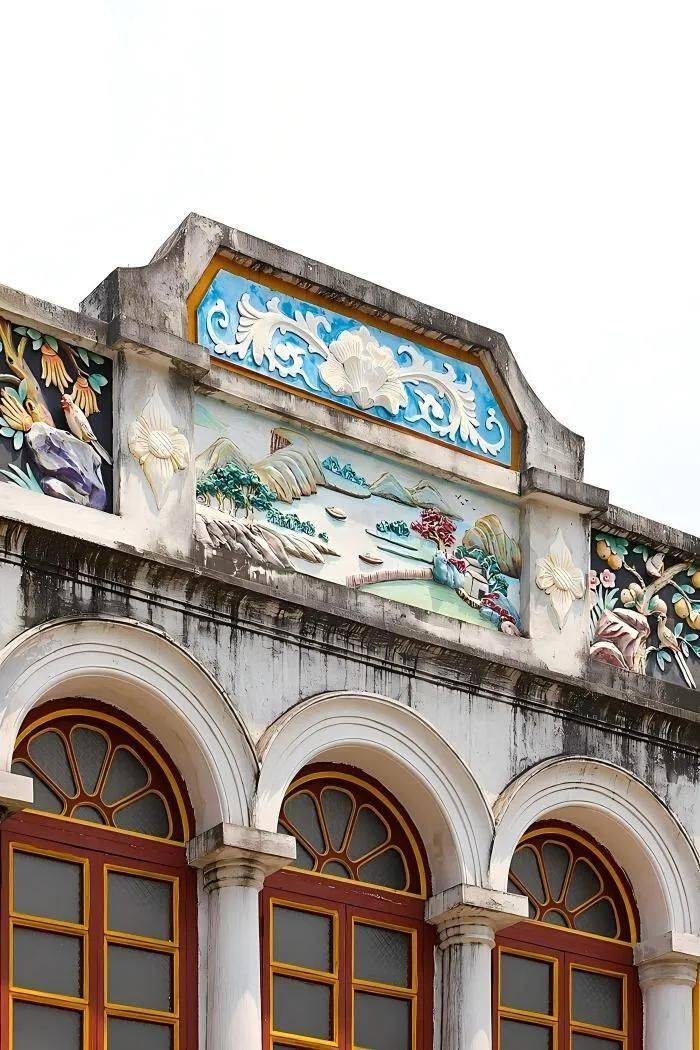
In the end, cycling buildings are the product of the integration of colonial + commercial + indigenous cultures, and although they can be traced back to ancient greece, there is really no “rule” in doing so, as long as a sidewalk is left on the lower floor。
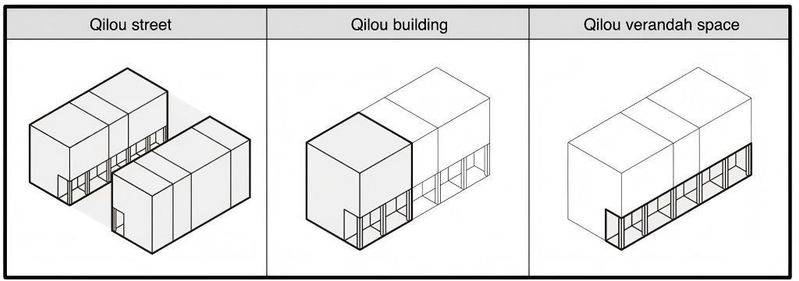
It seems to me that the true charm of the cycling building lies in its flue gas. The corridors below bring the buyers and sellers closer to each other, like an arena of eternal life, where commerce, residence and socialization can ferment naturally in the same space。
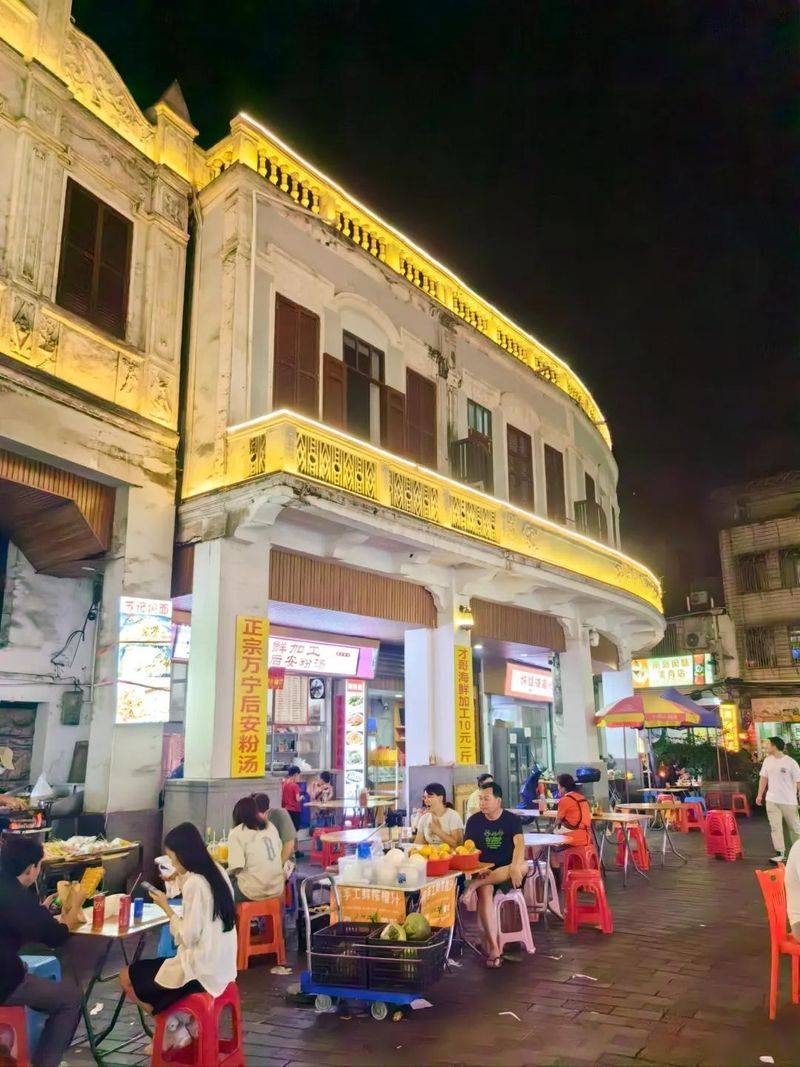
Now, you know what riding buildings is, so let's talk about more interesting architectural landscape stories