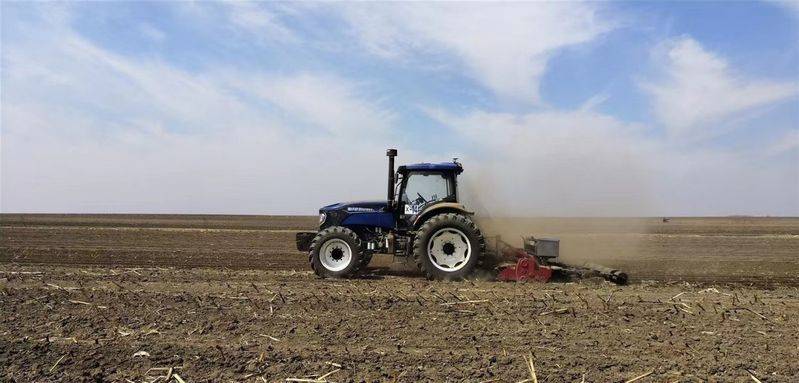
A single-cylinder engine is the simplest of all engines, as if, from any point of view, there was not much room for looping, with only one engine, and only 20 horsepower, working intermittently and suddenly “no more”。
It's not like it's a multi-cylinder engine that just looks at a single-cylinder engine and gives you a buzz。
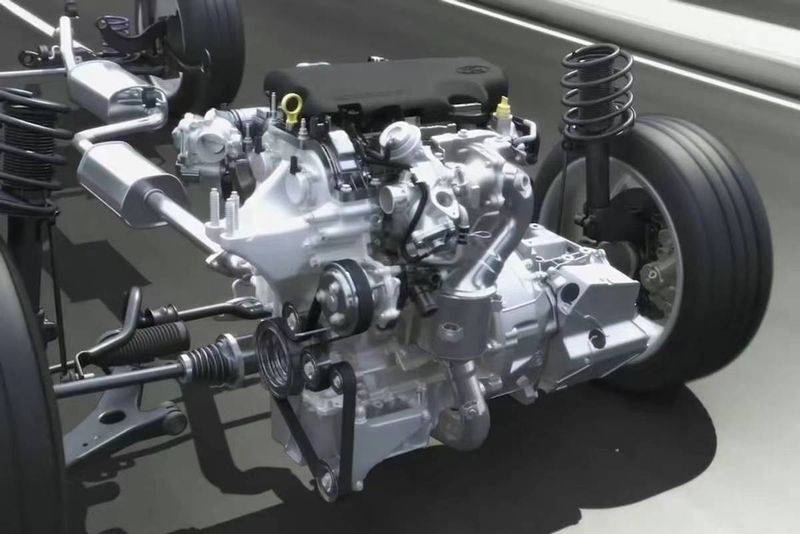
But it's not surprising that a single-cylinder engine also has a "prohibited time" when it comes to a tractor, and that's when it comes to a "1+1 3" effect。
Combat vehicles in the field — tractors
Many years ago, in many rural areas, similar news, such as “who bought a car in the house” and “who has a new job in the city”, reached the villagers' ears to a far greater extent than heard “who next door has added a tractor”。
During those years, anyone who could have had a tractor would really attract the envy of many。
Even if many tractors had only one large head, accompanied by an equally large chariot, plus an extremely poor driver's room, they would be devarnished for long periods of time and blackened exhaust pipes。
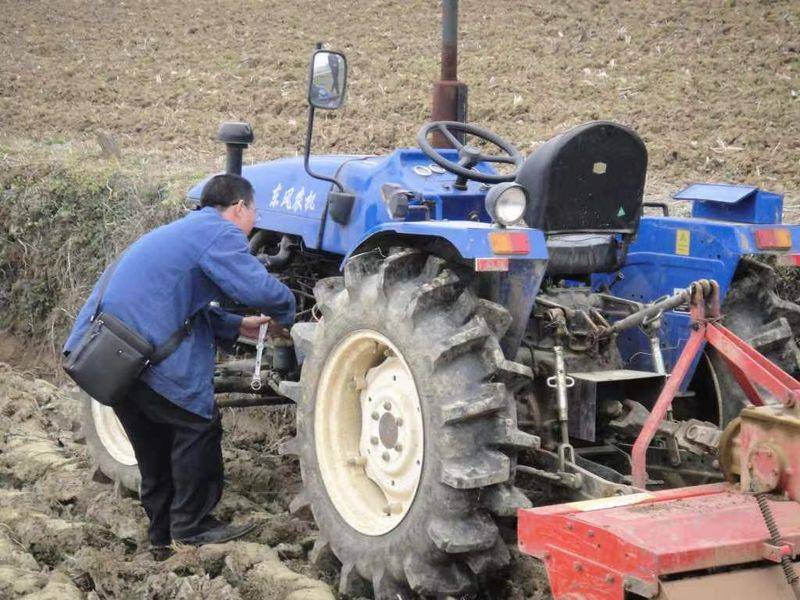
None of this, however, affects the “nobility” of the tractor。
Before the tractors appeared, farmers had done their agricultural work in the fields for four seasons a year or more, mainly through back-to-back horses; it was only by foot that they had to go away with their focus。
But with tractors, things are different. The place where a strong man can send a “field of combat” becomes less, and a tractor can work well, even more than a dozen strong men, and the tractor becomes by its power, the new “child of the village”。
You want to plow the field? Get on the tractor
We're gonna pull the cargo? Give it to the tractor
How big is the steep slope? The tractor can be easily solved
The carrying capacity of a tractor is so far a mystery, although it is written in the instructions that the standard load capacity of an ordinary tractor is up to one ton。
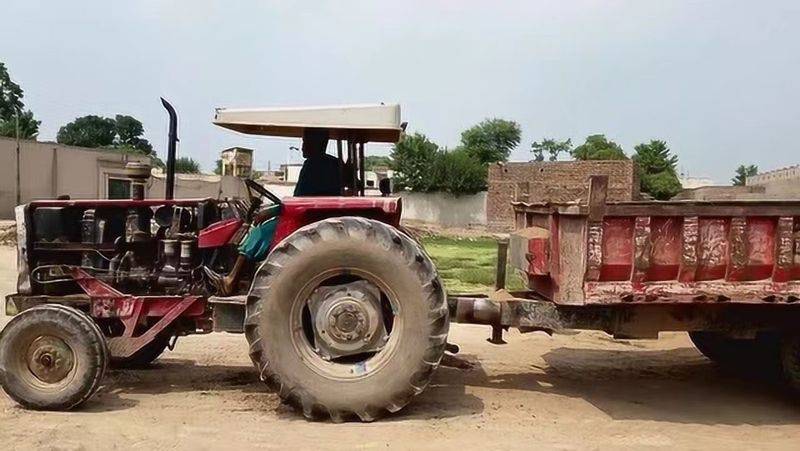
However, this does not affect the actual delivery capacity of tractors, which are constantly being exceeded in the hands of great groups of working people: whether it is 3 to 4 tons of brick or 5 to 6 tons of steel, as long as it is loaded on a tractor, no tractor has been pulled。
Even occasionally, a similar situation — because of steep slopes and the sheer weight of the load in the drive-by and the lack of friction in the front wheel of the tractor — has led to a constant slide of tyres. That would in no way affect the status of tractors。
Sometimes i wonder, is that the old saying, "demons are taller and taller" used to describe working people
This inherent problem, due to the unique configuration of tractors, could not have been avoided, but it is not clear who has come up with the “reverse tractor” approach — turning the head and using the reverse to climb the slope。
This creative method of driving increases the ability of tractors to climb steep slopes。
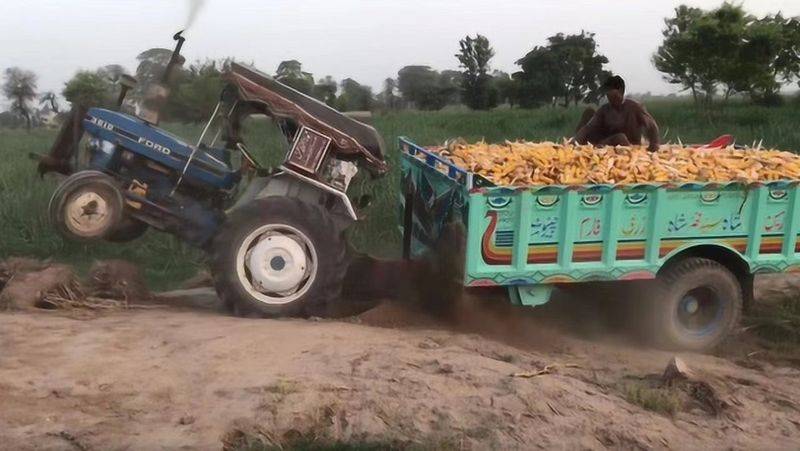
The “reverse tractor” has allowed the overall gravity of the tractor to be redistributed and the head load ratio to change, so that, however steep, it becomes a piece of cake。
How does a tractor make a single-cylinder engine "1+1>3"
In fact, even if a single-cylinder engine was installed on a tractor, it would not change its power by less than 20。
With less than 20 horsepower, several tons of load capacity could be achieved, the key being on the other parts of the tractor。
The key to making the tractor work was the unique gearbox installed on the tractor。
The speedbox on the tractor, especially in its number。
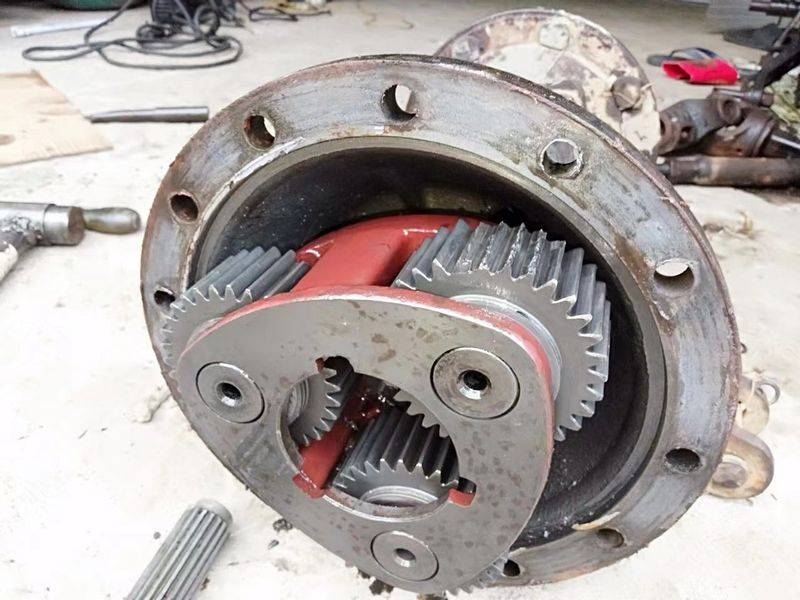
There is only one main speedbox in the ordinary home vehicle, and the tractor has two main secondary gearboxes, which are capable of operating each other, switching independently and without interference。
The main transmission box for tractors has a total of three slots, consisting of four forward and one reverse; the secondary gearbox corresponds to three slots of high, medium and low speed。
In other words, when the tractor's two transformers interact, there are five slots at low speed and five slots at medium speed and high speed, respectively. This means that there are 12 forwards and 3 backslides, with a total of 15 slots, at three speeds。
So many slots have been designed to maximize engine power. In other words, a single-cylinder engine can be “high-lighted” on a tractor because of several slots。
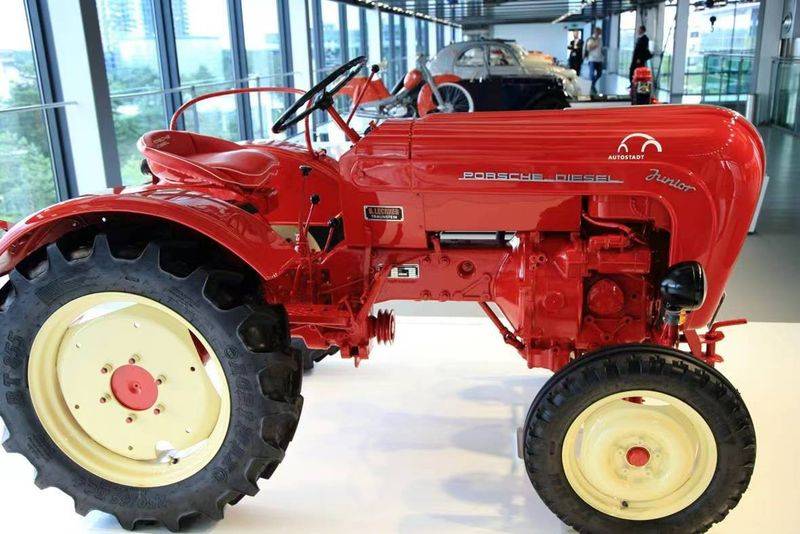
I don't know if anyone's ever been curious about the gears in the clock. Those big and small gears keep moving, and each small turn of the little gear can drive other adjacent gears, and then the gears move together in two and three, so that the clock's pointers can function normally。
The two transformer boxes on the tractor were designed to maximize the power of single-cylinder diesel engines in a manner similar to that used for gears inside the clock。
This principle of driving big gears with the rotation of small gears has a specific name - the gear reduction ratio。
The specific mode of operation is broadly as follows:
If 20-tooth gears are concocted with 30-tooth gears, the small gears rotate 1. 5 laps, and the big gears turn one lap. The deceleration ratio is 30/20 = 1. 5 and can be scaled up 1. 5 times。
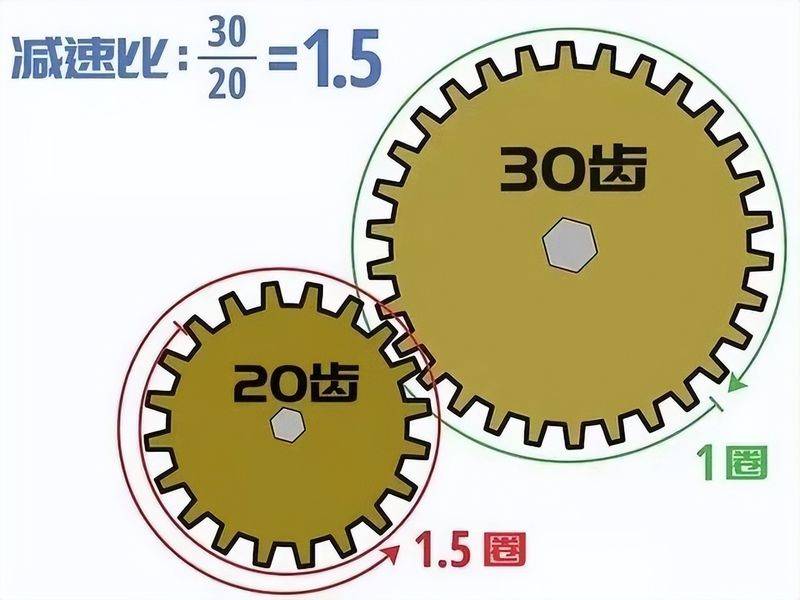
If the single-cylinder diesel engine is powered by only 12 gears, and the rodent gear is 48, it becomes 48/12 = 4, and the twist is magnified four times。
If it is only four times the twist, it is far from enough to support the use of tractors. But if you add the gear gear gear of the sub-moderator, you can double up the twist。
In such cases, when the tractor selects a low-speed block, the twist is placed at maximum value。
So, according to this motor, the more gear gears are used in the particular tractor setting, the larger the twister, the greater the power of the single-cylinder engine。
The tractor, using the main secondary transformer to add a twister, turns the wheel to the output and even catch a land cruiser。
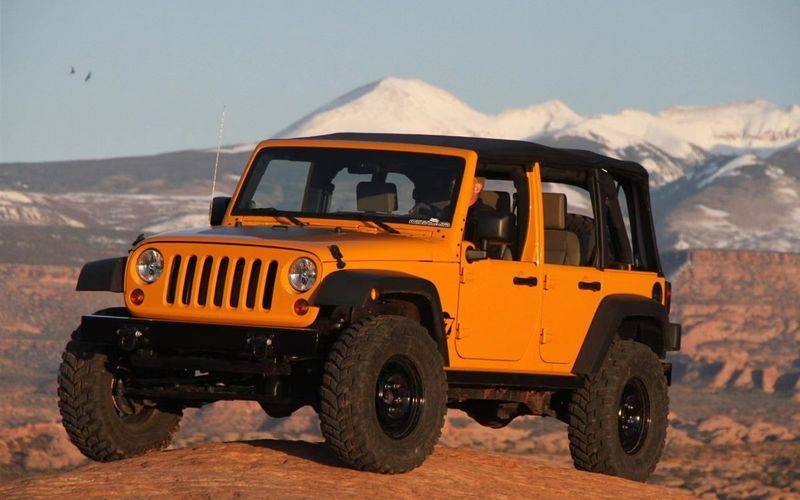
An ordinary land cruiser, with an acceleration of about 4. 5 times in a row and a twister of 4. 5 times. The main decelerator is magnified five times more, totalling less than 30 times the twister。
The looks of the tractor
Don't look at the director of the tractor as strange, or even casual, but each car design has its own logic, and every part of the tractor has its particular usefulness。
This plays an important role in the relatively high chassis design and unique tyre design of tractors。
It is well known that, compared to their cars, land cruisers are more able to adapt to the more complex and steep road conditions and are more dynamic, mainly because of the higher chassis of the land cruisers and the stronger “ground capture capacity” of tyres。
It is clear that in the design of tractors, both components are taken into account, even in comparison to their land cruiser。
The chassis, as a tractor-transmitting power, is used to transmit the engine's power to the driver and the work unit to drive the tractor and to complete the mobile or fixed functions。
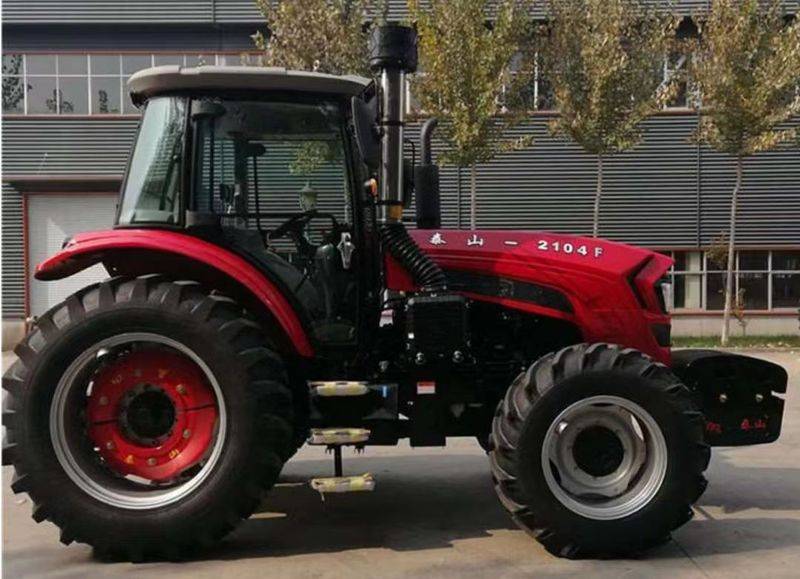
In addition to this, the tractor chassis has a protective engine to prevent bumps and to support the full mass of the tractor as a frame for the entire body。
So the chassis plays an important role in the design of the tractor's body, and even it can be said that its chassis performance directly determines its adaptability。
In the originally designed use scene of tractors, it is mainly those fields that are more complex. A sudden stone, a steep slope, is easy to draw。
Moreover, the requirements for tractor chassis vary at different stages of agricultural production。
In terms of production processes, in general, cropland, seeding, harvesting, etc. Require a lower gap between the ground and wide range of the left and right cycling on the bottom of the tractor in order to ensure the smoothness of the operation; and, in the case of pine earth, plant protection, fatting, weeding, etc., the tractor is required to have a higher gap between the ground and the narrower range of the right and the right, thereby ensuring better passability。
As a result, in order to make tractors more adaptable to the complexity of their use, tractors in some areas have, at an early stage, been equipped with a chassis-regulating capability that allows tractors to adjust to a certain degree the height of the chassis in the face of different demands。
In addition, the “special wheels” installed on tractors provide them with the possibility of constantly updating the load ceiling。
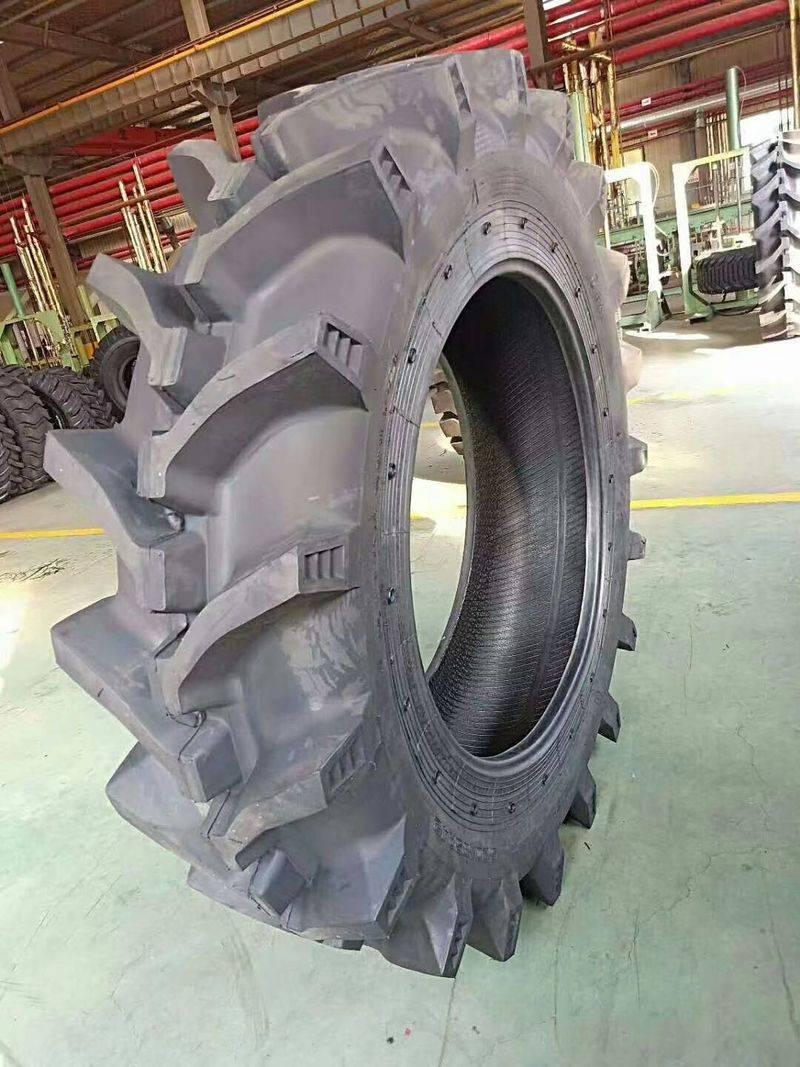
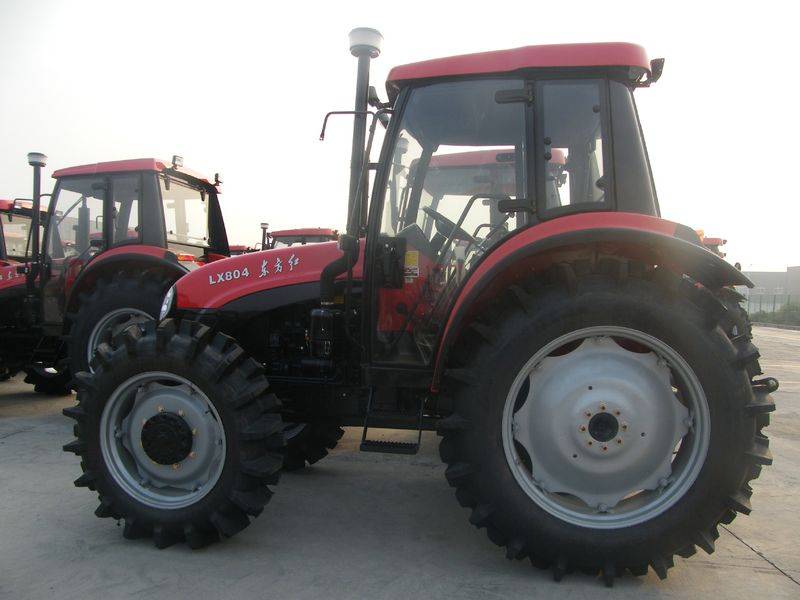
If you've looked closely at the tractor tires, you'll find that their rear wheels are generally wider and that the tires have broad stripes。
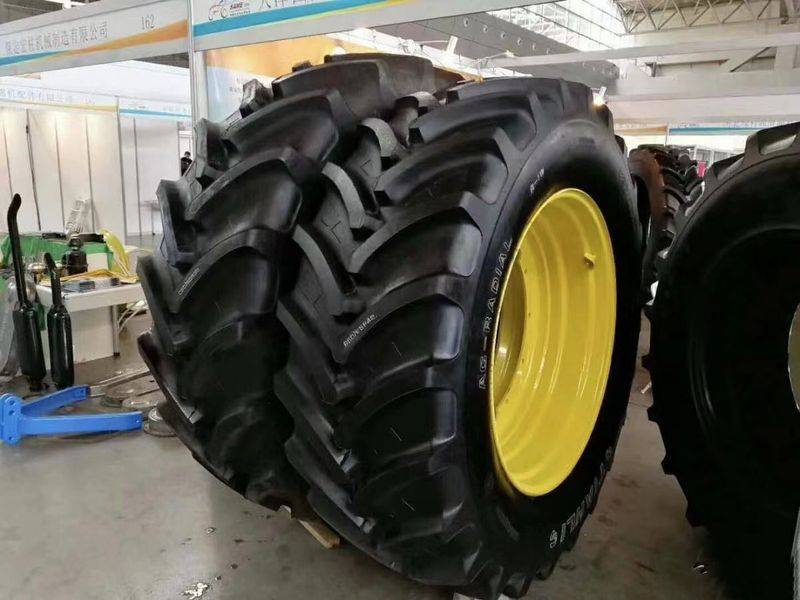
This is due to the fact that tractors are mainly used for farm operations, which require to pull or fly heavy machinery to walk on soft land. The back wheel of the tractor is so large that it spreads the weight of the body so that the tractor does not fall into a soft mud。
The back wheel is the tractor driver, and even a four-wheel drive tractor, the back wheel exists as the main driver. So, while the tractor works, the back wheel has a much greater pressure on the ground than the front wheel。
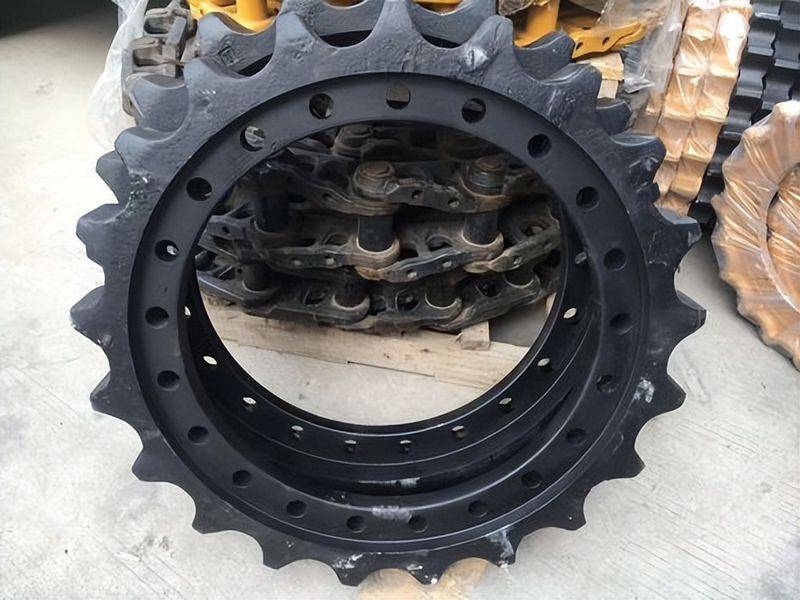
In order to reduce the pressure of the back wheel on the ground, thereby reducing the impact of the back wheel on the soil, as well as to increase the back wheel's strength, prevent slips in the tractor and ensure that the tractor has sufficient pull force, the tractor must have a “larger” tractor rear。
Also, normally, these large tyres installed on tractors are thick and have broad stripes on their surfaces, designed to increase the friction between tyres and the ground, thereby holding the ground firmly and reducing the likelihood of safety incidents such as the flipping of the tractor。
Did you suddenly think that tractors, which look like simple agricultural occults, were everywhere
Is it a tractor or a human
After witnessing the re-recording of the tractors over and over again, many people began to lament single-cylinder diesel engines as riddles。
How can this “spreading” equipment not limit the transport ceiling of a tractor, which raises the suspicion that if a more horse-powered starter were to be installed on the tractor in the future, would the tractor be “sealed”
It is also beginning to be remembered that the age when tractors were heard in the field was never a machine, but rather a group of people who lived there。
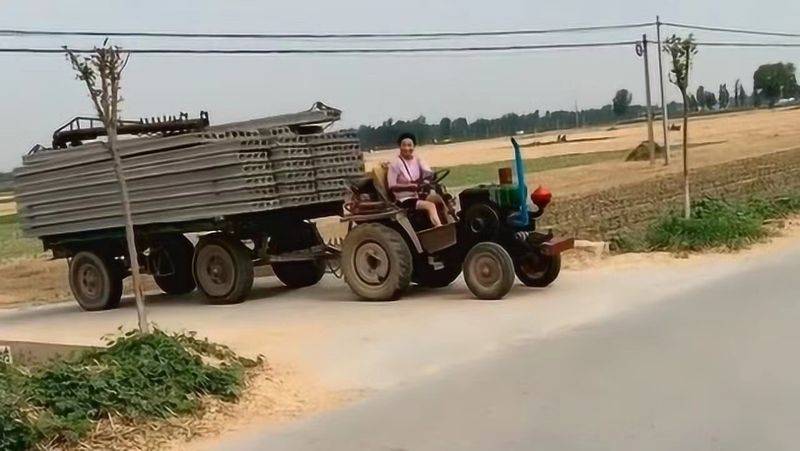
They can do anything, even a single-cylinder diesel machine, a tow head, a drive-by, where they can't pull weight and how they can't get up in steep slopes for the smoke in the chimneys and for green seedlings in the fields。
It's not just the history of tractors, it's the memory of an era, and it's a new country that's evaporating。
It's always just the hard-working people, anything else, whether a single-cylinder engine or a black-smoking tractor, that just adds flowers。