A clean tooth is not only a smile plus a subdivision, but also a healthy mouth “guardian”. Many people are disproportionately troubled by inadequate teeth and bites, affecting both the beauty of the face and the health hazards of toothitis and tooth decay, for which dental correction is the key. What are the options for the three types of correction that are currently most commonly used in clinical practice: metal troughs, invisible braces and tongue-side troughs? What are the differences in their effects, experiences and costs? Today, we combine clinical practice to completely dismantle and help you find the most appropriate remedy for yourself。
Metal tort correction: classically applied traditional correction
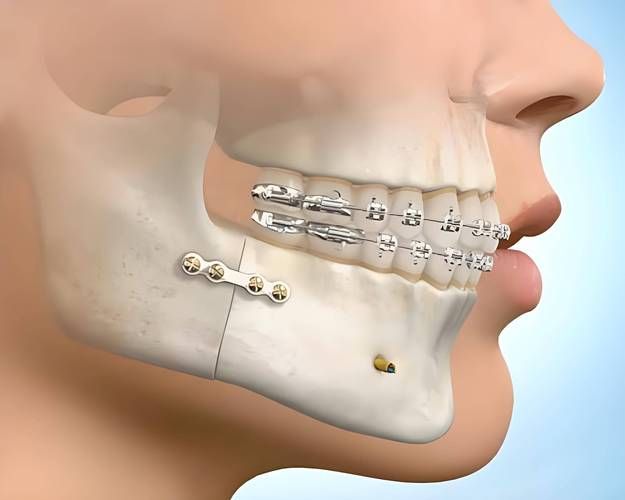
Metal tort correction, a classic technique in the area of dental correction, is the most widely used form of correction in clinical applications, having developed over time and with mature technological systems. The core principle is to optimize the bite bond by putting metal troughs on the cheeks of the teeth and gradually adjusting the position of the teeth using the elasticity and pull of the bow。
(i) strengths
1. The high technical maturity of the metal tort correction, the high operational experience of the clinical practitioner, the high suitability of the corrective programme, the ability to respond to a wide range of corrective needs, such as simple dentures, complex bone malformations, and stable and predictable corrective effects
2. The correction is more efficient, the bows and troughs are well aligned, the pull is directly transmitted, the control of dental movement is accurate and most cases have relatively shorter corrective cycles
3. High value for money, with lower material and treatment costs and the most acceptable option for the general public compared to the correction of invisible teeth and tongue sides
4. Maintenance is easy, tort structures are robust and non-destructible, and routine cleaning requires only routine brushing of teeth with dental lines, without special care。
(ii) disadvantages
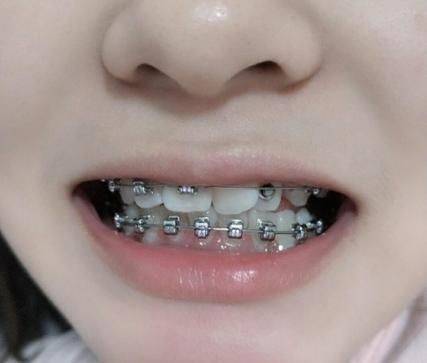
1. Poor beauty, exposure of metal troughs and bow threads to the surface of the teeth and visual obscurity, which can create social concerns for patients
2. The wearing of mucous mucous membranes with a general experience of friction in the initial troughs, which may cause discomfort in the mouth ulcer, radon, etc., and be embezzled in food when eating, and may increase the risk of carving and toothitis if not thoroughly cleaned
3. There are dietary restrictions to avoid eating hard, sticky foods during corrections, to prevent torts from falling off, bow filaments from deforming, and to affect corrective progress。
Invisible toothset correction: a new and easy-looking form of correction
Invisible dental retorts are non-torture invisible corrective techniques, with high molecular transparency at their core, with computer-aided design and manufacturing techniques, customizing a series of self-decorated and transparent teeth to meet the needs of the patient's dental rectification phase, and gradually facilitating the movement of teeth using the elastic transformation of the braces. By virtue of its aesthetic and convenient features, this technology has been the preferred form of redress for young people in recent years。
(i) strengths
Aesthetically excellent, with high-slightly high-molecular materials made in toothcases, almost invisible in wearing, and less detectable in everyday socialization, work and learning, meeting the core needs of patients for “invisible correction”
2. Comfortable wearing of metal components such as toothbrush-free troughs and bow-wires, which do not rub off mouth mucous membranes, which are initially very lightly discomfort, lightweight, close to the teeth, and are wearing no visible alien feeling
3. Absorption is flexible, patients are free to wear their own braces according to their dietary and cleaning needs, are free to eat, daily oral cleaning is normal and can effectively maintain oral hygiene and reduce the probability of oral disease occurring
4. Rehabilitation is efficient, with dental condoms being a phased product tailored in advance, and most cases do not require frequent re-diagnosis, but only regular changes to dental condoms, as prescribed by medical advice, and long-distance follow-up visits are sufficient to accommodate patients who are busy and in-patient。
(ii) disadvantages
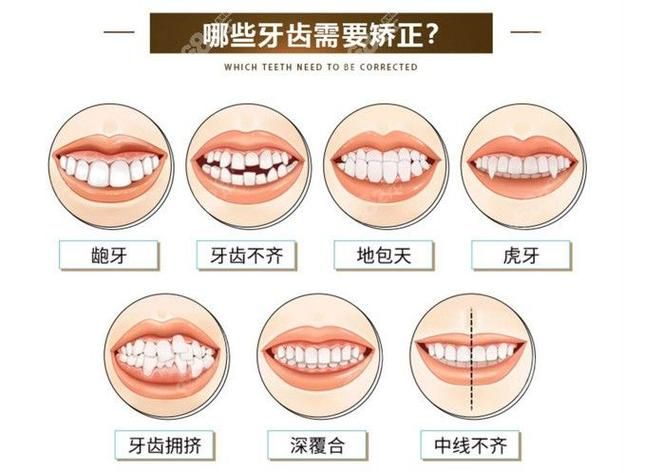
1. The limited scope of application applies only to tooth malformations, mild to moderate bone malformations, and in cases of heavy larvae overcrowding, severe condensation and deepness? (a) in complex cases, the corrective effect is difficult to achieve
2. The corrective cycle is relatively long, the pull of the braces is relatively mild, the teeth move more slowly, and in some cases the corrective cycle is 3-6 months longer than the metal tow correction
3. The high dependency requirement for patients to wear 20 to 22 hours a day of toothbrushes, which, if the patient wears too often and does not have enough time to wear them, can lead directly to delays in the movement of the teeth and even to the need to re-establish corrective programmes
4. Low value for money, higher cost of materials development and customization and much higher overall cost of treatment than metal tow correction
5. Teethers are prone to damage and high molecular materials, although resilient, still need to be avoided from exposure to high temperatures and sharp objects, otherwise they are susceptible to deformation and damage and affect corrective effects。
Telecommunications side tort corrections: highly hidden high-end corrections
Telecommunications-side tortort correction is an improved technique for tort correction, where metal or ceramic tortorts are attached to the side of the tooth, where the tuxort is corrected using the gravitational force of the bow cord, which is completely hidden inside the teeth and becomes a combination of corrective effects and high privacy。
(i) strengths
1. Extremely aesthetic, with the troughs and bows on the side of their teeth, completely undetectable from the outside, and completely addressing the patient's concerns about beauty during the corrective period, suitable for groups such as actors, facilitators, teachers, etc., who have a high social profile
2. The classic principle of corrective effect, correction by a totot, combined with a cavity-to-tort design that is exclusive to the tongue, has precise control over the three-dimensional movement of the teeth and is able to respond to moderately heavy dyslexic, bone-incompetent malformations (b) complex cases such as form, with corrective effects comparable to metal tort corrections
3. Non-extraactive injury, with the trough located on the inside side of the teeth, which does not result in the tow falling or oral damage as a result of an external collision, is suitable for special groups such as sports fans。
(ii) disadvantages
1. Poor wear experience and tows on the side of the tongue have a direct impact on the space in which the tongue operates, with initial problems of ambiguity, difficulty of eating, injury to the tongue and longer cycles of adaptation, which usually take one to three months to adapt
2. The difficulty of cleaning, the fact that the side of the tooth is itself a clean blind zone, and the presence of the tow and bows further increases the difficulty of cleaning, which, if incomplete, can easily trigger problems such as the accumulation of toothbrushes, carvings and diarrhea
3. The high cost of the treatment, the complexity of the production of the tongue-side torts, the high level of technical requirements for doctors, the need for a professionally trained doctor to carry out the treatment, and the overall cost being the highest of the three modes
4. The corrective cycle is slightly longer and, because of limited space on the side of the tongue, the adjustment of bows is more difficult, with some cases having a slightly longer corrective cycle than metal tortones and a higher frequency of re-diagnosis requiring frequent adjustment of bows and troughs by doctors。
The metallic tort correction, the invisibility of the invisibility of the invisibility of the tongue torture is closely related to the patient's dental malformations, personal needs, economic condition, social scenes. In practice, patients should go to a regular dental facility, where professional orthopedic doctors develop individualized corrective programmes through oral ct, model analysis, facial aesthetic assessment, etc., taking into account their own needs, in order to obtain the best possible wear experience while ensuring the effects of the correction. Regardless of the type of correction chosen, patients need to focus on oral cleaning and medical referral, which is a central prerequisite for safeguarding the effects of the correction and safeguarding oral health。
Correcting the teeth is never a matter of “one at a time” but of a long-term commitment to balance health with beauty, without the blind pursuit of “the most advanced” or “most expensive”, and best suited to one's own. May every friend in need of redress choose the right way, stick to the end, eventually have a full and healthy tooth and smile with confidence. (source: heilongjiang provincial oral hospital)