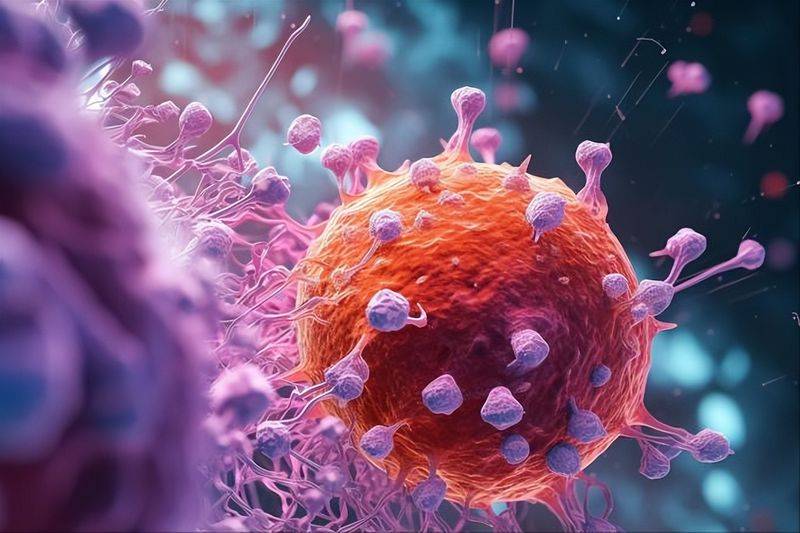
With increased public health awareness, the topic of cancer prevention has always attracted widespread attention. Many people, when they hear the word "cancer cells", wonder if the "high protein diet" is the cause of cancer? As a result, people started to proactively reduce protein intake and even avoid all protein-containing foods. But is it true? Today, we solve the misunderstanding between cancer cells and proteins and tell you what food really needs to be alert。
First, do cancer cells really love protein
Let's look at how cancer cells grow. Cancer cells are “traditors” of body-normal cells, which, like normal cells, require a nutritional supply, relying in particular on energy and amino acids for rapid fragmentation and expansion. However, it is clearly a misunderstanding that protein intake and cancer occur on a par。
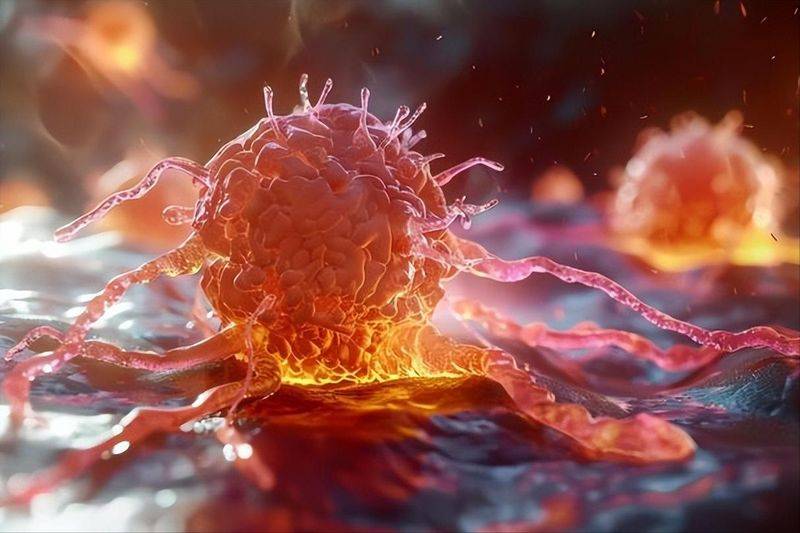
Protein is one of the three macronutrients essential to the human body. It forms the cell tissue of the body and is involved in synthesis of enzymes, hormones, etc., and is an important component of life-support activities. The normal intake of proteins not only does not “feed” cancer cells, but rather it is an important nutrient that protects the immune system against disease. So the question is, why do cancer cells benefit from proteins
The answer lies in metabolism. Cancer cells need a metabolic product when they split. - azinium, which really comes from protein decomposition. But this does not mean that “eating protein is like feeding cancer cells”. Authoritative research has shown that adequate intake of high-quality proteins does not increase the incidence of cancer or even contribute to increasing resistance to cancer。
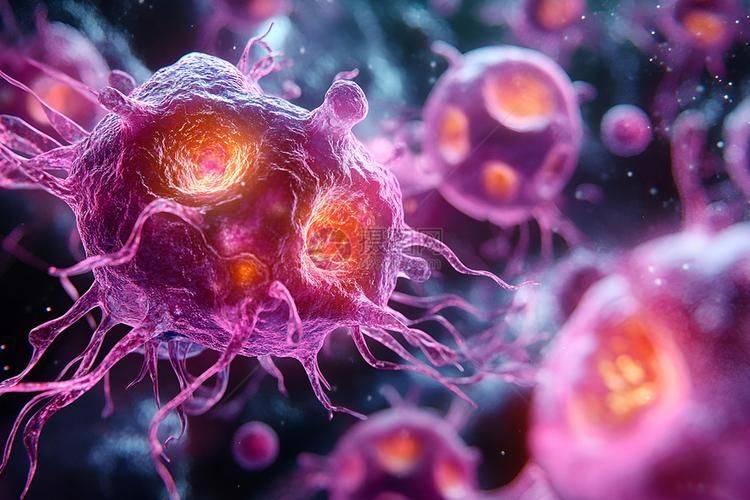
In most cases, cancer occurs as a result of a combination of internal and external factors, such as genetic mutations, environmental pollution, unhealthy lifestyles, etc., rather than a single nutrient intake。
Ii. Prevention of cancer cell sprawl. These three types of food are “the culprits”
The real driving force of cancer cell growth is “cancer-at-risk foods”, which have been proven to have a significant correlation with cancer. The following three foods should be the focus of our attention。
1. Processing meat foods
Ham sausages, bacon and bacon, which are processed meats, are common “invisible killers” in modern diets。
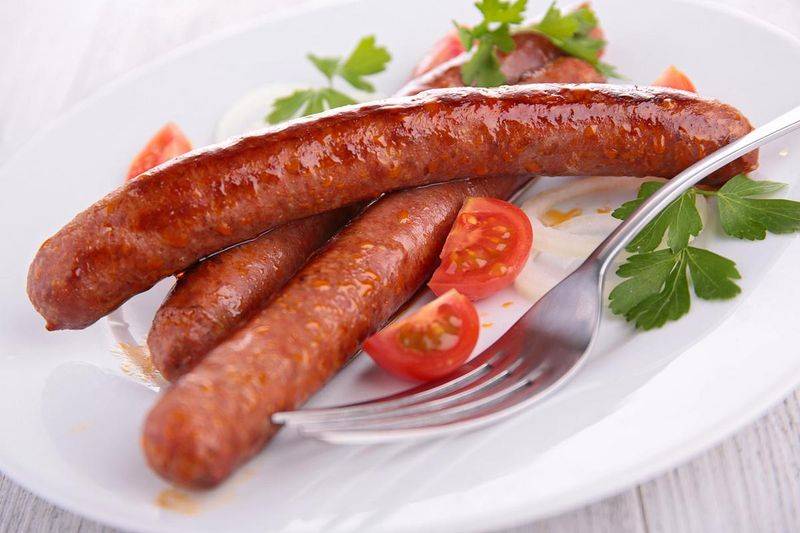
In 2015, the international agency for research on cancer (iarc) classified processed meat as a “classic carcinogen”, making it clear that long-term consumption of processed meat increases the risk of big intestine cancer。
Why is it dangerous to process meat? As nitrites, preservatives, etc., are often needed in the production process and may produce nitrazine in high-temperature cooking or gastric acid environments, which is one of the known carcinogens. In addition, the generally high fat content in processed meat can also induce inflammation reactions by altering the intestinal micro-environment, thereby contributing to cancer cell growth。
Recommendation: less or less processed meat, less than 350 grams of red meat (e. G. Beef, pork) per week, replaced by fresh and thin meat or poultry。

2. Highly sugared food
High sugar diets are also “hotbeds” for cancer. Sugar is the main source of human energy, but over-ingestion can significantly increase the pancreas burden, leading to a surge in insulin levels. High insulin haematosis can induce inflammation and accelerate cell abnormality, providing an excellent environment for the growth of cancer cells。
A study in the french journal medical endocrinology indicates that excessive sugar ingestion is significantly related to the risks of breast cancer and pancreas cancer. Highly sugared foods, such as sugar beverages, pastries and candy, not only increase the risk of cancer, but may also cause metabolic diseases such as obesity and type 2 diabetes, which further increase the incidence of cancer。
Recommendation: reduce daily intake of sugar, which should not exceed 25 g per day for adults (equivalent to 6 square sugars). Avoid sugary drinks, desserts and replace fruit with snack options。
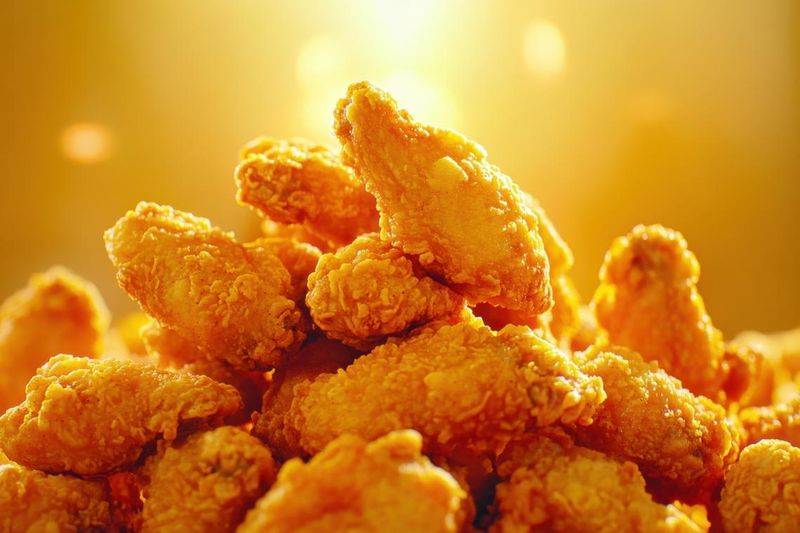
3. High-temperature fried food
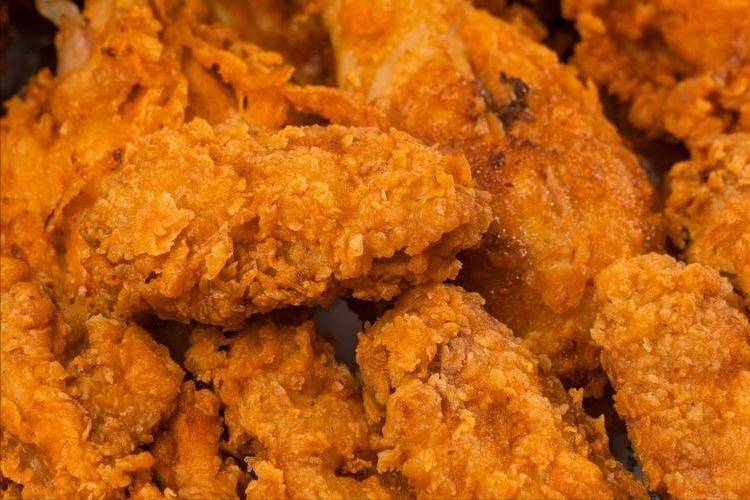
The health risks of fried foods, such as chickens and fries, although delicious, cannot be ignored. High-temperature frying produces carcinogenic substances such as acrylate and polycyclic aromatic hydrocarbons (pahs). These compounds not only cause cytological damage, but may also interfere with normal dna repair mechanisms and place an ambush for tumours。
More importantly, fried foods usually contain large amounts of trans-fat and are prone to inflammation. Chronic inflammation contributes to the formation and expansion of tumours and makes cancer cells more “active”。
Recommendations: be far from fried foods and choose low-temperature and low-oil cooking methods such as steam, cooking and stew. Take care of the fried content in restaurants, take-outs and minimize the frequency of intake。
How to “get away from cancer cells”? Three ways to give you answers
Cancer prevention is not an overnight event, but needs to accumulate from the details of life. The following three scientific recommendations help you to reduce the incidence of cancer from the source and protect your health。
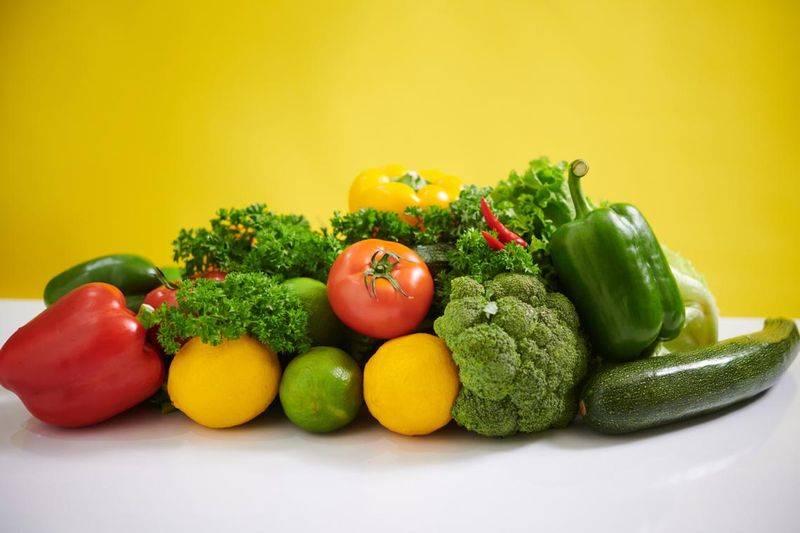
1. A balanced diet with more fruit and vegetables
Vegetable fruit is rich in dietary fibres, vitamins and natural antioxidants, such as ketone, vitamin c and carrots, which can inhibit the growth of cancer cells to some extent and increase human immunity。
The guide to food for chinese residents recommends that adults should consume not less than 300 grams of vegetables per day (mainly dark vegetables) and not less than 200 grams of fruit。
2. Maintain appropriate weight
Obesity significantly increases the risk of certain cancers (e. G. Breast cancer, liver cancer, colon cancer) because fatty tissues increase cytogenesis, estrogens and inflammation factors. Therefore, weight control not only helps to prevent metabolic diseases but also reduces cancer risks。
Recommendation: at least 150 minutes of aerobic activity per week, with a healthy diet to keep weight within normal limits。
3. Prohibition of smoking and alcohol, away from carcinogenic factors
Smoking is the primary cause of multiple cancers, such as lung cancer, and the world health organization has specified that at least 70 per cent of lung cancer is associated with smoking
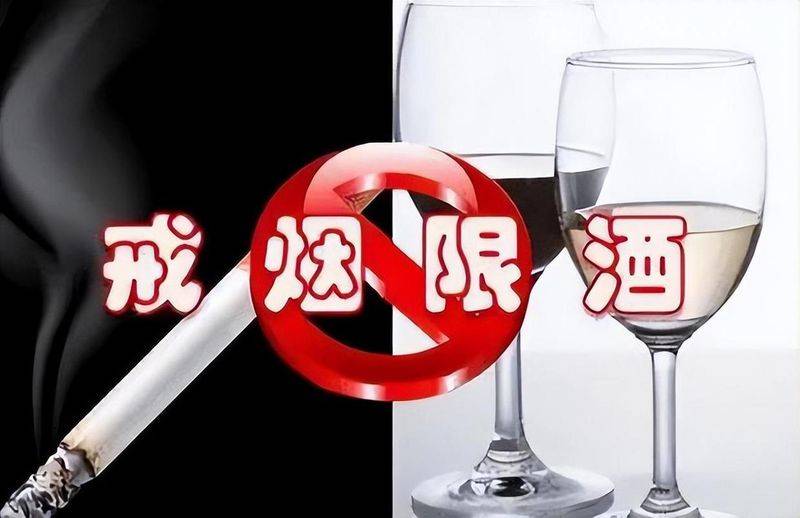
Alcohol is also one of the high risk factors for cancer, closely related to liver, stomach and oesophagus cancers。
Recommendation: stop smoking at the earliest opportunity, reduce alcohol consumption and promote a healthy lifestyle of “no more than one drink a day”。
Summary: cancer-resistant diets rely on “failure” rather than non-differentiated “caution”
Cancer occurs as a result of multiple factors and does not have to cause unnecessary panic about a certain nutrient. Rather than being blind to high-quality proteins, it is better to stay away from truly high-risk foods, such as processed meat, sugary and fried foods, while maintaining healthy diets and living habits。
It should not be forgotten that the key word at the heart of a healthy life is “balance” and that finding a rhythm between diet, exercise and weight control can provide a solid foundation for future health。