Persistence of fatigue, pain in the whole body, red rash in the skin, frequent diarrhoea/decency ... These are common manifestations of chronic inflammation。
Chronic inflammation (also known as “silent inflammation”) is dangerous precisely because it does not have the severe symptoms of red, swelling, heat and pain as acute inflammation, but rather erodes health in a more subtle and systematic way. In recent days, a recent study by the chinese academy of sciences found that chronic inflammation “awakens” cancer cells that are dormant。

Kim peng
Chronic inflammation wakes up cancer cells
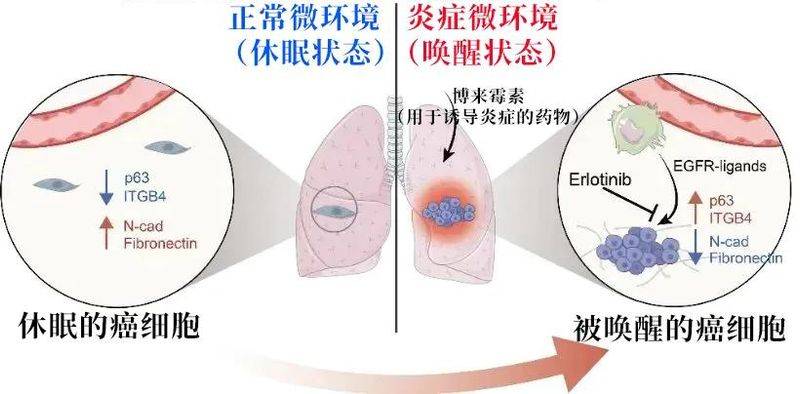
Many cancer patients are likely to have a relapse several months or years after the original cancer has been removed from surgery, usually as a result of the “awakening” of dormant cancer cells embedded in other organs. In september 2025, researchers from the chinese academy of sciences and the massachusetts institute of technology published a recent study in the journal of the national academy of sciences (pnas) which found that inflammation can awaken dormant cancer cells that are transferred from the far end, thereby causing cancer transfer and relapse。
Researchers experimented with mice: first, they simulated the occurrence of breast cancer and its transfer to the lungs, and found that some cancer cells entered “sleep” — just as they entered deep sleep, they neither split up nor formed new tumour stoves。
Study screenshot
Interestingly, these previously “sleeping” cancer cells are “awakening” when researchers are inflammating the lungs of mice. Irritated by inflammation, it's like using a key to activate the “switches” of sleeping cancer cells, and it wakes them up. More importantly, there has been a marked change in the cancer cells themselves: they have been transformed from an otherwise inactive state into a state of readiness for action, regaining the ability to divide and form a transfer tumor。
Doctor: long-term inflammation can lead to cancer
Long-term inflammation is considered to be the “warrant soil” of cancer. It leads to the formation and expansion of cancer cells through continuous damage to normal cells, the promotion of abnormal growth and the destruction of normal mechanisms for repair of the organism. In an article published by the zhejiang hospital's micro-intelligence public in 2022, the chief oncologist, jiang zhejiang hospital, stated that chronic low-intensity disease could cause not only continued damage to cells and tissues, but also dna damage and mutation, thereby significantly increasing the risk of cancer. In this context of persistent inflammation, c-responsible proteins (crp), white medium-1 and tumour necrophate are contributing factors that increasingly reduce the immune response capacity of the organism, indirectly increase the probability of cancer and cause far-reaching physical damage。
Yu huiqing, director of the geriatric oncology section of the oncology hospital attached to chongqing university, also mentioned in his 2023 hospital public journal that if he/she is often tired, weak, insufficiently integrated or in sub-health, this may be related to chronic inflammation in his/her body. She noted that chronic low-intensity disorders were often not easily detectable, but that studies had identified their links to various chronic diseases such as cancer, diabetes and cardiovascular diseases。
The process of moving from inflammation to cancer is often referred to as “inflammation - the chain of cancer”. A study published in 2015 in the journal of the second military medical university, “the relationship between dietary nutrition and inflammation - the risk of cancer”, indicates that the inflammation environment is an important risk factor in the occurrence of multiple cancers, many of which stem from chronic inflammation contexts. For example:
Smoking, bronchitis, lung cancer
Stomach inflammation, fungus infection, stomach cancer
Chronic ulcer colonitis, colon cancer
Chronic hepatitis, liver cancer
Although inflammation is closely related to cancer and many chronic diseases, by adjusting a healthy lifestyle we can well be “anti-inflammation”。

Kim peng
Everyone should see this anti-inflammation guide
By adjusting the way we live in our daily lives, we are well equipped to “fire off” our bodies. Anti-inflammation does not require expensive health care, but it stems precisely from the five most basic but most important aspects of life: eating, drinking, exercise, sleep and mood。
I. Eating: opting for anti-inflammatory food, avoiding inflammation diets
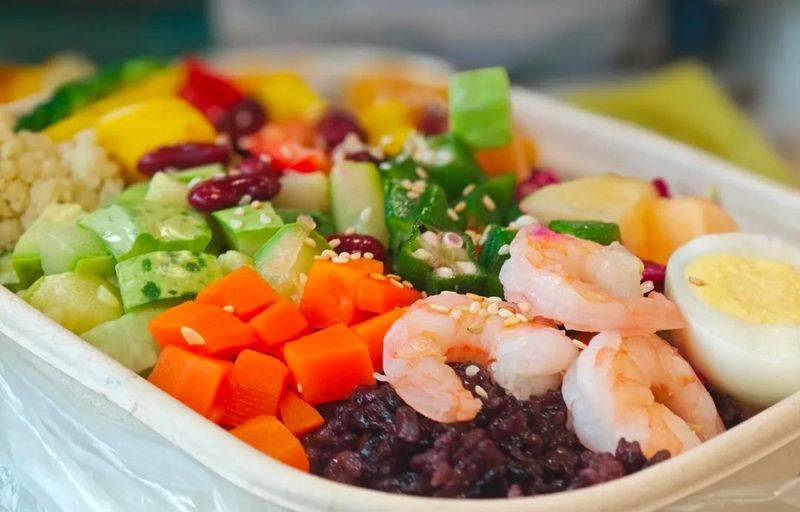
Natural colour fruit and vegetables: blueberries, carrots, tomatoes, etc., are rich in antioxidants and polyphenols and can effectively combat inflammation。
Multiple choice of healthy fat: omega-3 fatty acid is a natural anti-inflammation fighter, commonly found in deep sea fish (e. G. Salmon), linen seeds, walnuts。
Natural spices such as ginger, garlic, cinnamon and curry contain anti-inflammatory elements and are delicious and healthy。
Reduced intake of inflammatory foods: reduced consumption of high sugar snacks, fried foods, refined carbon water (cakes/high sugar bread) and overprocessed meat, which exacerbate the inflammation response。
Health times
Ii. Drinking: ensuring adequate drinking water and choosing anti-inflammatory drinks
Drink more white water or tea: water helps to metabolize waste, and tea polyphenol in green tea is a good anti-inflammatory feature。
A proper amount of coffee: black coffee is rich in antioxidants, but too much sugar and cream should be avoided。
Less sugary drinks: milk tea, juice drinks, etc. Containing a large amount of sugar added to the disease。
Iii. Motion: maintaining regularity and avoiding prolonged sitting
Medium-intensity movement: walking, swimming, cycling, approximately 150 minutes per week, can effectively reduce inflammation indicators。
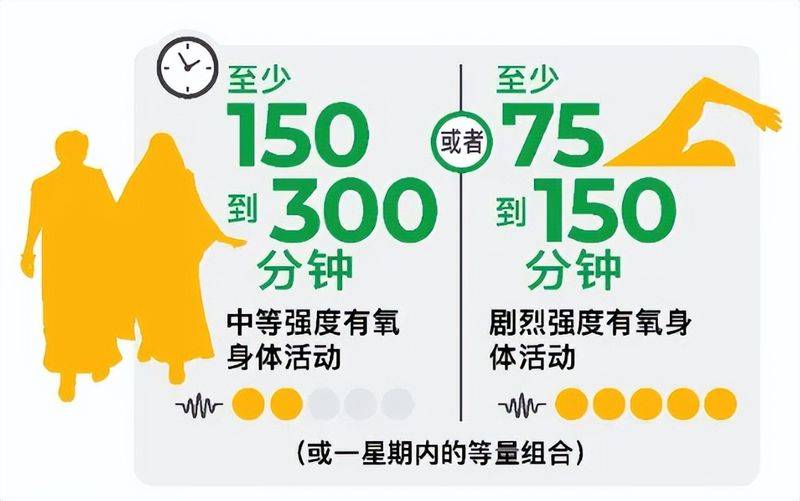
Who guide to physical activity and sitting behaviour figure
Join force training: muscle reinforcement not only improves metabolism but also helps control inflammation。
Avoiding long-term sit-in: up and running every hour, interrupting the inflammation risk。
Iv. Sleep: ensuring quality sleep and adequate rest
Adequate sleep every night: inadequate sleep increases cortisol and inflammation factor levels。
Keep it as regular as possible: sleep and wake up at regular hours to help the body build a healthy biological rhythm。
Good sleep environment: dark, quiet, cool environment helps improve sleep quality。
V. Federation and effective relevance
Try orthodox and meditation: even 5-10 minutes a day can significantly reduce the inflammation of stress。
The development of interests and hobbies: activities that bring pleasure to music, reading and socialization help reduce stress。
Learn to talk and relax: do not suppress emotions, communicate with relatives and friends or release stress through writing。