It's not about protecting wild plants at the national level
The question of the confusion between the name and the name of the cliff has to be resolved
When it comes to cliffs, many think first of all of the “crawling” bands or carvings that are popular on the market. It is one of the rarest and oldest naked plants in the world. This raises the question of whether “crawl” in the market is a national priority for plant protection. A reporter from the china green times recently interviewed guo quan water researcher, a research specialist from linko college of china。
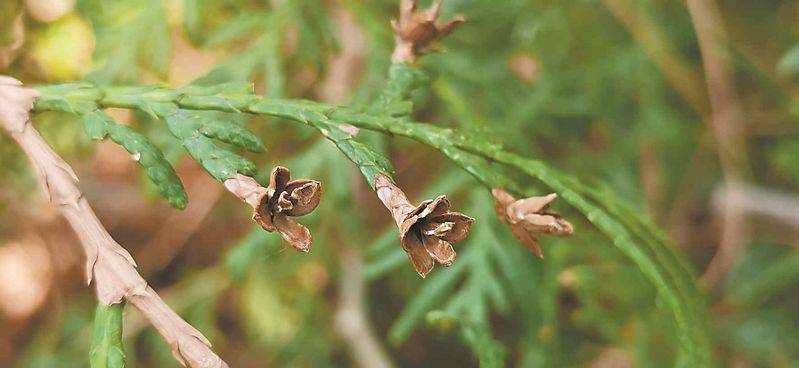
Cracked cliffs and female balls
Wen's playin' "crawly" is more like a side
Guo quan shui said that in the market, many of the platinum plants that were on the cliffs were referred to as “crawling”, with the most circulation being on the side. Like the most admired "too good" at the moment, it's actually on the side of the hill. In the phytologic sense, however, it is the platinum of the pecco cliff, which is unique to our country's rare, endangered and naked plants, the circa relics, the very small stocks of wild plants at the national level, which are focused on the protection of wild plants and priority for national rescue。
It is widely spread throughout the country, with almost all areas covered by artificial cultivation, while the wild cliffs are geographically narrow and confined to the limestone mountains in the cities of the southern and south-eastern parts of the city of chongqing. The areas of the cliffs are heavily populated, mostly on both sides of the cliffs and steep ridges. The wilds produce only about 10,000 species of precipice and are naturally ill-renewed and endangered。
The phytotypes are similar to the velvet twigs, but they differ markedly in the female nuts. The plume has 4-6 pairs of shield-to-living petals - specter complexes, which remain closed at the top when the female matures; and the plume has 3-4 pairs of interactive petals - spectrople complexes, which open when the female matures. The plume is small, egg-shaped or long circle, 6-8 mm long, seeds are ovaled, flat, about 3 mm long, with thin wings on both sides. The pebbles are larger, have a close ovulation, 15-20 mm long, with seeds of eggs or near ellipse, 6-8 mm long, slightly elliptical, wingless or very narrow。
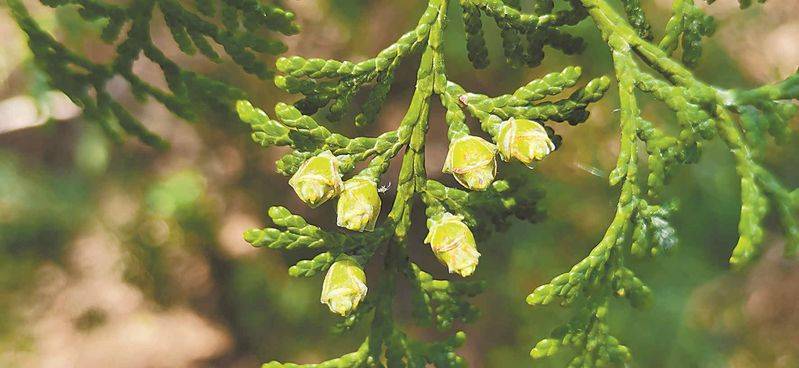
Cricket female
The endangered cliff has been extinct for over 100 years
The cliff was first discovered in our country in april 1892 by the french missionary paul guillaume fallje, and found in limestone hills at 1,400 metres above sea level in the port district of chongqing, on the southern end of the grand bassa. In 1899, the french botanist adrian rené france published this specimen as a new species. Model specimens are stored at the natural plant sample museum in paris, france. Over 100 years later, no collections were recorded。
In 1984, china's directory of precious and endangered plants listed cliffs as endangered species, with a second-level national priority for the protection of wild plants. During the preparation of the chinese book of plants, several trips were made to the cliff distribution area, but none were seen。
In 1998, the world conservation union (iucn) published the red list of threatened plants, which is listed as a wild extinction (ew) species, and this conclusion was followed in our country; in august 1999, it was approved by the state council for the publication of the list of national priorities for the protection of wild plants (first list)。
Fortunately, in august 1999, during a field survey conducted by the chongqing national major wildlife bone survey team, the cliffs were discovered and a specimen of plants with balls was taken. The specimen is now stored in the plant home of the chinese academy of sciences and confirmed by leading experts from the chinese academy of sciences, the royal botanical garden of england and harvard university of the united states. In 2000, our experts in plant classification published the message “the cliff is not extinct” in the journal of plants. This study was subsequently published in the linnai society botany journal. The world conservation union (iucn) in 2003 re-evaluated the endangered level of the cliffs as extremely dangerous in the light of their current state of existence。
In order to save the cliffs, we have established national nature reserves at the grand bazza and snow peaks, respectively, to protect the cliffs in situ. After strict care, the cliffs recovered to some extent. In 2013, iucn adjusted the cliffs to endangered (en) levels。
In november 2014, a plant survey team consisting of experts and graduate students from sichuan forest department's wildlife resources conservation management station and chengdu polytechnic university discovered new rock pristine populations of approximately 1,000 species in the limestone mountains at 1,500 to 1950 metres above sea level in four villages of sichuan province. In addition, some nature reserves claim to have found pristine wild populations in their locations but have not been confirmed by plant classification experts。
In september 2021, a new edition of the national list of priorities for the protection of wild fauna and flora was launched, placing the protection of wild plants as a priority at the national level。
According to guo quan, there are few populations on the cliffs, the structure of the populations is incomplete, long life cycles, insufficient seed sources, poor seed quality, and there is an urgent need to expand the populations and to remove them from critical condition through field return. In recent years, thanks to the joint efforts of researchers and protected areas, the number of pyrotechnic plants has increased geometrically, and large-scale field returns are taking place。
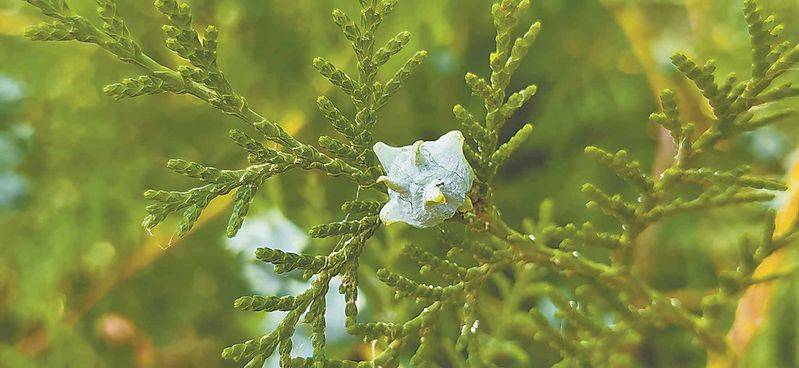
She's a pebble
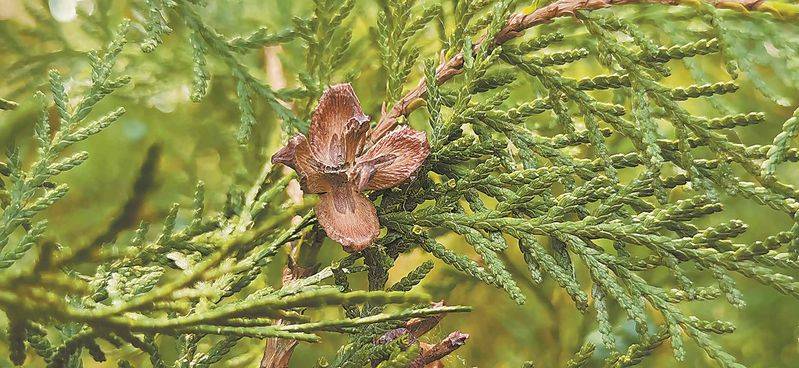
Breathed plume
There's a lot of confusion about the same name
According to guo quan shui, the botanical sense of cliffs and the “crawly” market are not the same species, but share one, which can create confusion and create many inconveniences for their conservation management and for the development of their collections。
On the one hand, while the protection of wild plants is a priority at the national level, protected by relevant laws and regulations, such as the regulations on the protection of wild plants of the criminal code, and the prohibition of sale, acquisition, etc., the country does not currently have timber or roots identification criteria and institutions for the identification of whether or not the writing of “crawling” is wild, which makes it difficult to determine precisely whether or not it is a wild cliff, so that the collection of fish from the market is difficult to identify and control the protection of wild cliffs. On the other hand, the mining of dead sides on cliff cliffs can also have a negative impact on biodiversity, the ecological environment and the serious security risks associated with the mining process, which has been banned by civilization in many places。
Guo quan shui suggested that the manning market should be renamed as soon as possible, and that consideration could be given to using the term “searching of tree names + stereotyping of organ names”, such as the plastering of roots, crumpling of roots, etc., to delineate from wild cliffs, both for the protection of wild cliffs and for the regulation and long-term development of the manning market. Wang seung-man