Impact of the european debt crisis on global economic stability
Introduction
The european debt crisis has continued since 2009 and has become a permanent feature of global economic development
Bottlenecks and challenges. Its impact on the global economy is not limited to the european region, but is global and deep
Carving and complicated. This paper will analyse the impact of the european debt crisis on global economic stability in all its aspects, and will provide an analysis of the impact of the european debt crisis on global economic stability
Make a personal point。
Short-term impact
The short-term impact of the european debt crisis on the global economy has been reflected mainly in:
1. Volatile global financial markets. Europe’s debt crisis triggered global financial market turbulence, stock markets, debt
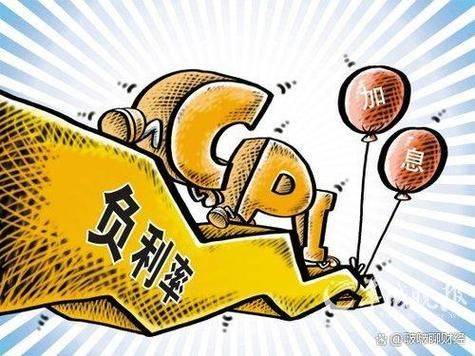
Municipalities, money markets, etc. Have been affected to varying degrees。
2. The euro area state budget is in serious deficit and its fiscal position is precarious. The budget deficit in the eurozone countries is severe
And it's very common to have debt as much as 100% of GDP。
3. The european debt crisis hampered investment by european countries and companies. Economic downturn due to financial market instability
For reasons such as gas, the willingness of european countries and companies to invest has declined significantly, which is not conducive to global economic stability and recovery。
Medium- and long-term impacts
The medium- and long-term effects of the european debt crisis on the global economy are as follows:
1. The decline in global trade has affected global economic growth. The eurozone countries are the largest trade in the world
One partner, the slow growth of trade in the european region could slow growth in the global economy。
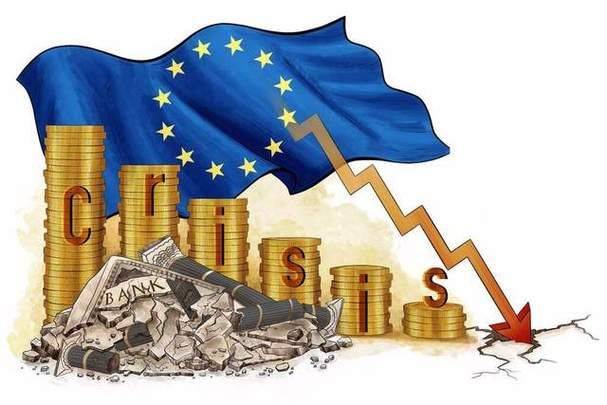
2. The global stock market fell and jobs fell. The decline in the global stock market could lead to the stagnation of many companies
To bankruptcy, this affects the stability of the global economy and the number of jobs。
3. The crisis in the euro area has deteriorated sharply and could trigger a global financial crisis. If the european debt crisis gets worse
The extent to which this was done could trigger the global financial crisis and lead to the collapse of the global economy。
Global response to the european debt crisis
The global response to the european debt crisis has been demonstrated by:
1. Strengthen policy communication and cooperation among euro zone countries to advance the process of economic integration in the euro area。
2. Global countries should strengthen their collaboration in promoting global trade and economic growth。
3. Governments should increase investment by borrowing debt to create more jobs and jobs for the economy。
4. Global financial institutions should strengthen regulation to avoid new financial crises。
Personal perspective
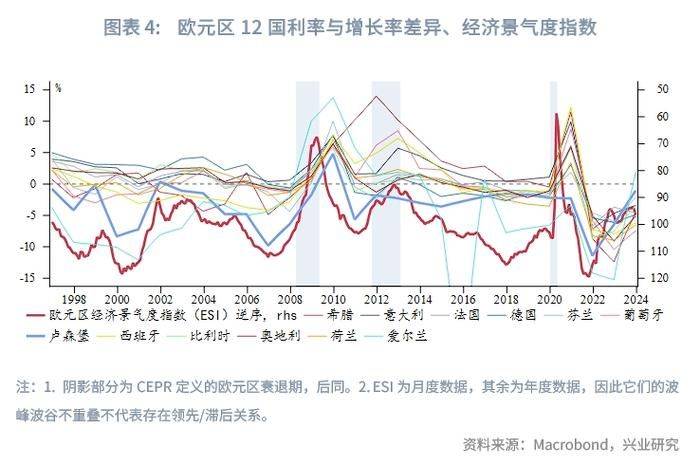
The impact of the european debt crisis on the global economy has gone far beyond the euro zone to become
A long-standing bottleneck and challenge to global economic development. In an increasingly complex global economic environment, each country
No one can stand alone and cooperation is needed to collectively address the risk challenges. Just keep it open and cooperative
Together, we can contribute to the sustained and healthy development of the global economy。
Conclusions
The european debt crisis has had a significant impact on global economic stability, with both short-term shocks and medium- and long-term impacts in full
The ball range is clear. Therefore, there is a need for greater cooperation among governments to jointly address risk challenges and advance global efforts
A healthy economic development。