Optical triodes consist of plastic seals, metal seals (top glass windows), ceramics, resins, etc., with two feet and three feet. In general, the pvts of the two tube feet, the pvds of which are, respectively, collector and transmitter poles, while the light window is base。
In the absence of light exposure, the pv triode is closed and has no telecommunications output. When the light signal is directed at the basic poles of the pvt, the pvc is transposed first by the pvd, then by the pvd, then by the pvd, and then by the pvd, by the output of the magnified telecommunications number。
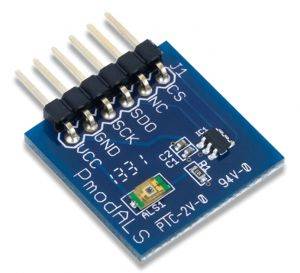
The following is a pvt sensor module:
2. How does the optical triode sensor work
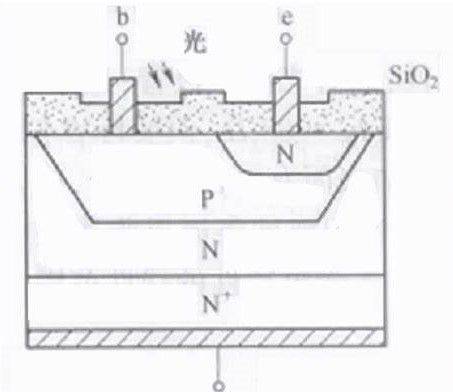
The basic structure of the pvts is the same as that of the ordinary triodes and consists of two pn knots. This diagram shows the npn-type pv triode, where b-c knots are referred to as luminescence, which is used to suck income into light. The base area is relatively large and the launch area is smaller. When the light is irradiated to the surface of the base pole, a photo-enrichment pair is created. The electron moves to the collector's poles, while the hollow moves to the base poles, resulting in higher levels of the electrodes. When extra voltage (c positive and e negative) is applied between c and e, large quantities of electrons are injected from the launch poles, and most electrons are collected through very thin base poles, which form the output photoelectric currents, after a small combination of base poles and caves。
3. How to apply the optical triode sensor
Because of the current magnification of the photo-sensitization triode, it is widely applied to brightness measurement, speed measurement, photovoltaic switch circuits, photo-segregation settings, for example, for photo-sensitized triodes combined with luminous diodes, which form photocolytics, short of photocoding. The light-columnrator transmits the signal using light as a medium, which has a good segregation of the incoming and exported telecommunications. It is interesting to note that the luminous triodes are usually not produced, but some luminous triodes are produced, which are generally used in situations such as temperature compensation and additional controls。
Common applications:
1 reflective sensor: a pvt is capable of being used as a reflector to detect the existence or location of the object. The sensor releases a light and detects whether the light is reflected back by the object. This sensor is often used in equipment such as automatic doors, printers and vending machines。
Impediment detection: pvt sensors detect the proximity or distance of objects and are therefore used for barrier detection in many automated systems. For example, when the object is near the sensor, the system can trigger an alarm or stop movement。
3. Detection of colour and brightness: photo-triode sensors can measure the strength and colour of light. This sensor is often used for colour recognition and brightness regulation. For example, in the printing industry, sensors can detect ink of different colours to ensure printing quality。
4. Automatic illumination systems: pv triode sensors can be used in automatic lighting systems. Sensors can detect environmental light levels and automatically adjust light levels based on their measurements. Such systems can save energy and provide a more comfortable lighting environment。
5. Gear control: pvt sensors can also be used in gesture control techniques. By analysing changes in light, sensors can capture movements and movements of human gestures. This technology can be applied in such settings as television remotes, video games and virtual reality。
4. Advantages and disadvantages of optical triode sensors:
High sensitivity: pvts allow for efficient conversion of light signals and high sensitivity. It receives low-power light signals and produces corresponding telecommunications numbers。
Rapid response: pvts have rapid response properties and are suitable for processing light signals of high speed change. It has a relatively short response time and can convert light signals to telecommunications in a short time。
3 wide wavelength range: pv triodes can detect light signals in a wider wavelength range with some responsiveness from ultraviolet to infrared. This gives it flexibility and adaptability in different areas of application。
Disadvantages:
Temperature sensitivity: the performance of pvts may be affected by temperature changes. The output signal may change in a more volatile environment。
Frequency response limit: the pvt may have some limitations when dealing with high frequency light signals. Its frequency response is limited by the effect of internal capacitive and sensor components。
In summary, the pv triode has the advantage of high sensitivity, rapid response and wide wavelength range, but there are some limitations in the handling of high temperature variability and high frequency light signals。
5. What are the providers of pvts
Ams osram: ams osram is a company that focuses on optical electronics and sensor solutions. They provide various optical and electronic products, such as optical sensors, photovoltaic diodes and laser diodes。
Carlo gavazzi: carlo gavazzi is a company that provides solutions for automation and energy management. Their product ranges include sensors, controllers, switches and metering equipment。
HoWell sensing and production solutions:The company that provides sensors and automated solutions. Their products include pressure sensors, temperature sensors, gas sensors and industrial automation equipment。
Melexis: melexis is a company that focuses on semiconductor sensors and integrated circuit solutions. Their products include temperature sensors, pressure sensors, magnetic sensors and vehicle electronic solutions。
Omron automation: omron automation is a company that provides automated solutions. Their product ranges include sensors, controllers, robots and industrial automation equipment。
Onsemi: onsemi is a company that provides semiconductor solutions. Their products include power management chips, sensors, amplifiers and drives。
Osi optoelectronics: osi optoelectronics is a company that focuses on photoelectronics. Their products include photovoltaic diodes, photovoltaic sensors and photovoltaic detectors。
Sharp microelectronics: sharp microelectronics is a company that provides semiconductors and displays solutions. Their products include monitors, sensors, storage and microcontrollers。
The company provides integrated circuit design and solutions. Their products include processors, repositories, interfaces and system solutions。
Tt electroNics / optek technology: tt electroNics / optek technology is a company that provides optical electronics and sensor solutions. Their products include photovoltaic diodes, photovoltaic sensors and infrared solutions。
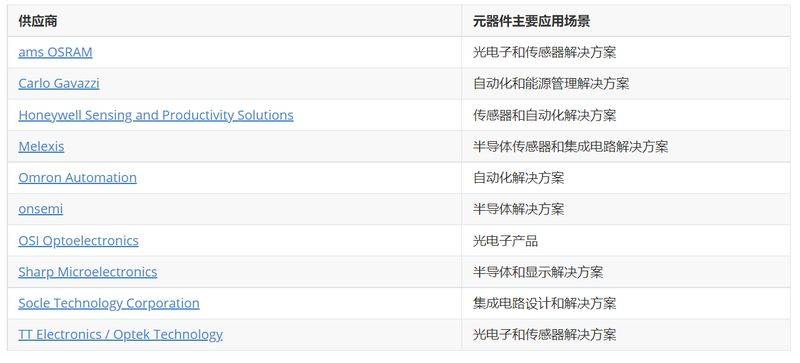
The following is a comparison of the above-mentioned applications of light triode suppliers:
6. Where are the selected and purchased optical triode sensors
Select the led on digikey
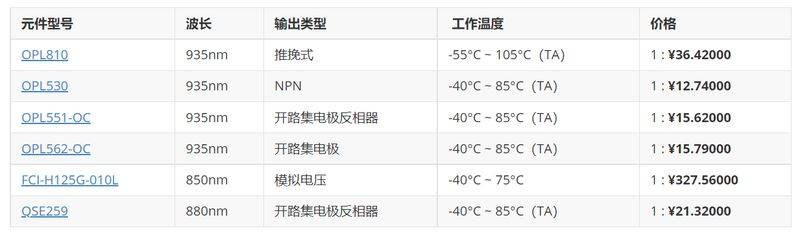
Here is a comparison of some of the led devices:
7. Simple example of data acquisition using rp2040-drive pv
The physical figures are as follows:
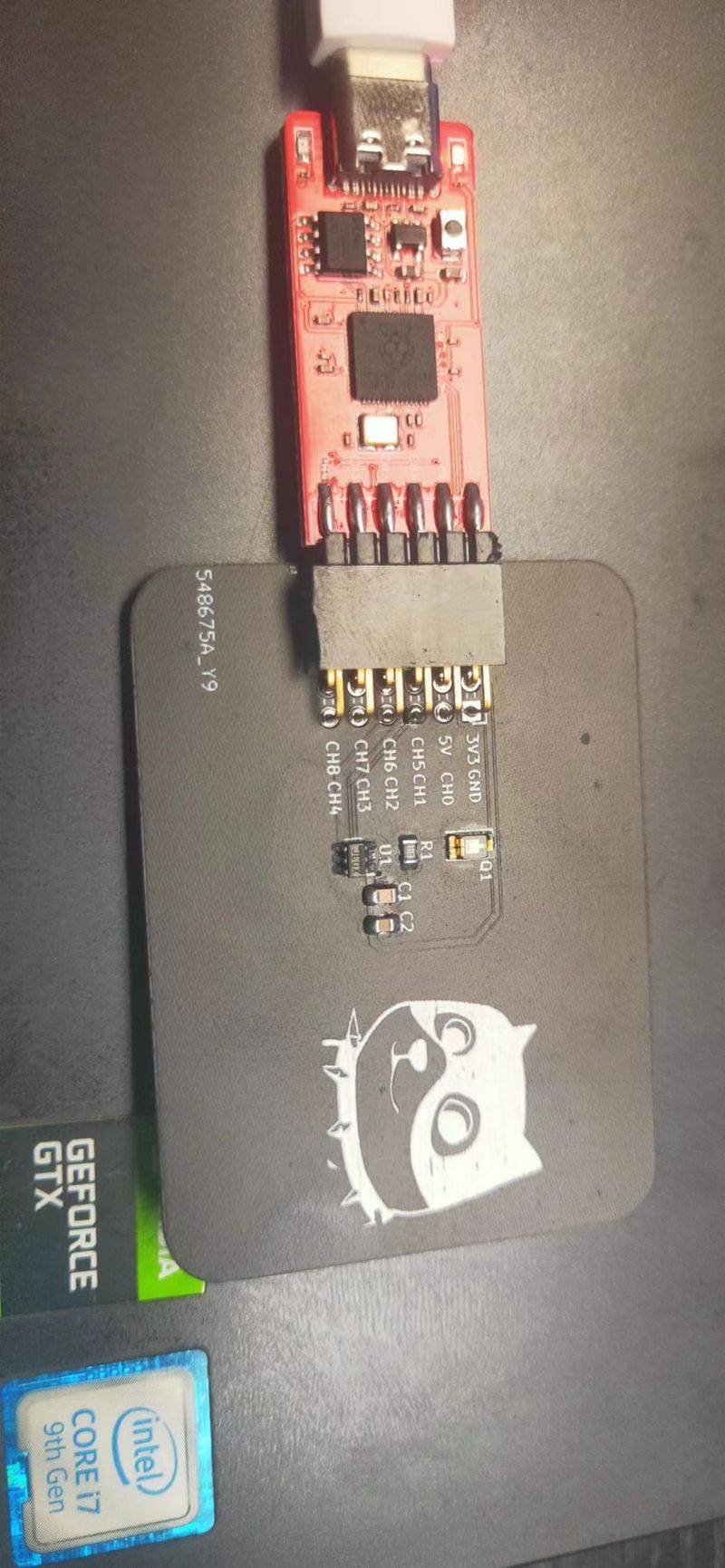
The module code for the driving photo-triode sensors is as follows:
From machine iI'm sorry
From time iI'm sorry
II'm sorry
Spi = spi (0,1 000 000, miso = pin (20, pin. Out), sck = pin (22, pin. Out))
Cs = pin (21, pin
Def read adc():
Cs. Off()
Data = spi. Read(2)
Value = (data [1])
Value = value / 256 * 3. 3
Cs. On()
I'm sorry
When 1:
Data = read adc()
Print(data)
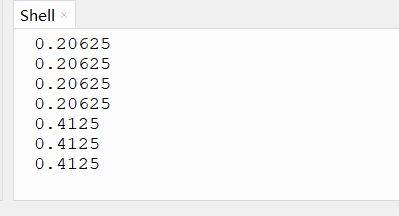
The following is the data printed at the end of the pc when the photolytic tripolar sensor module:
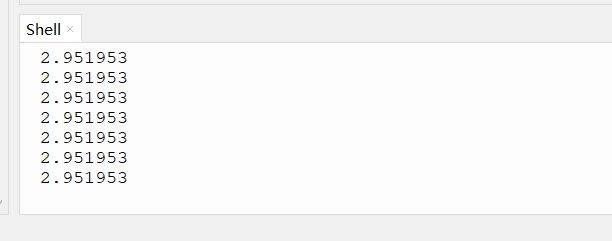
The following is the data printed at the end of the pc when the photo-sensitive tripolar sensor module is without light: