Hello, i'm zhang zhang, the engineer in the field. Today we talk about oil and gas separation techniques in the shaanxi oil fields — the geological conditions are special, with high levels of crude oil viscosity and low levels of gas, and the separation process has to be adapted to local conditions. I will take into account years of on-site experience, from process theory to cost control, and i will tell you what's at stake。
The core process of oil and gas separation in the western wien region is efficiently separating oil, gas and water。
I. Occidental oil fields prefer “gravity deposition + electric dehydration” combinations
The nature of crude oil in the shaanxi region determines the uniqueness of the separation process. The high viscosity of crude oil and its poor liquidity, as well as its lower (usually less than 50 m3/t), mean that light hydrocarbon volatilisation is low and separation pressure is low. We use gravity deposition separation as a core process to achieve the initial separation of oil, gas and water through reduced pressure (from wellhead pressure to constant pressure). The processes are as follows:
Primary separation of wellheads: crude oil flows out of the wellheads into a three-stage stand- or bedroom separators that use gravity deposition to isolate most gases and parts of water. The operational pressure of the separators in the shaanxi oil field is normally contained at 0. 5-1. 5 mpa at a temperature of 40-60°c, and the processing capacity is adjusted to the size of the well group, generally between 50-2000m3/d。
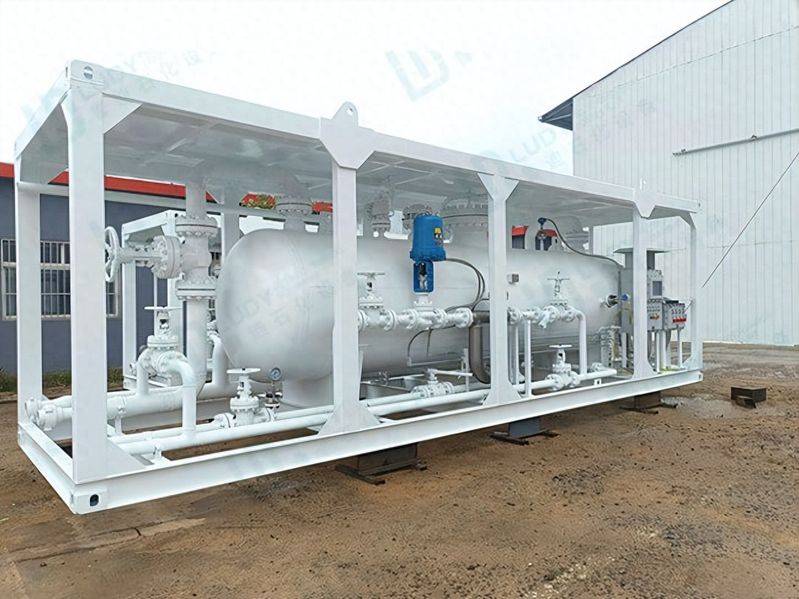
Secondary separation: crude oil following primary separation enters the oil-free tanks and further removes oil slicks and suspensions. The stop time is designed to be 2-4 hours with a surface load of 0. 5-1. 0 m3/(m2. H) to ensure stability of the oil and water interface。
Depth dehydration: the oil content of shaanxi oil fields is high and requires deep treatment through electric dehydration. Edus use high-voltage electric field (15-25 kv) to concentrate and sink water, and the water content of exports can be reduced to
Then one might ask, "what are the benefits of this combination?"
In the shaanxi oil field, the crude oil contained high volumes of wax and low-temperature condensable waxes, so the separation temperature needed to be moderate and the wax deposition jam equipment avoided. Moreover, the oil ratio is low and the recovery of light hydrocarbons is of limited value and does not require a complex gas treatment process. Gravity deposition + electric dehydration portfolio investment is low, simple and suitable for small and medium-sized oil fields。
How can the “high-water, low-gas oil ratio” challenge be met
High-water content treatment: the high volume of oil extracted from the shaanxi oil field requires pre-treatment of hydraulic voltagers in the separation process. The rotor uses centrifugal forces to separate the oil droplets, with a lower limit of 5-10 m and a pressure reduction of 0. 1 to 0. 3 mpa. It can be linked to multiple-stage rotors to improve oil removal efficiency。
Low-gas oil ratio response: gas treatment is dominated by “facing emissions” and is delivered directly after droplets are removed from the aerosol. Small stabilization towers could be added if light hydrocarbons were to be recovered, but the shashi oil field was usually omitted because of low gas levels and poor economics。
Simplification of processes: the separation process in the shaanxi oil field is dominated by the “wellhead separator dehydrators” and reduces the number of equipment by 30 per cent and the cost of transportation by 25 per cent compared with the complex processes in other fields。
From the rationale to the selection, the “several package” of shaanxi oil fields
Three-phase separators: “separators” of shaanxi oil fields
Rationale: the tri-phase separators use low concentrations of oil, gas and water to separate by gravity deposition. The shaanxi oilfields are more likely to use a bedroom separators because of their small size and moderate processing capacity (200-1000 m3/d), which are suitable for well team deployment。
Elements of the three phase separators:
Operating pressure: 0. 5 – 1. 5 mpa, adjusted for wellhead pressure。
Temperature: 40-60°c, avoidance of wax deposition。
Materials: corrosive coating of carbon steel to address corrosive water quality in the shashi oil field。
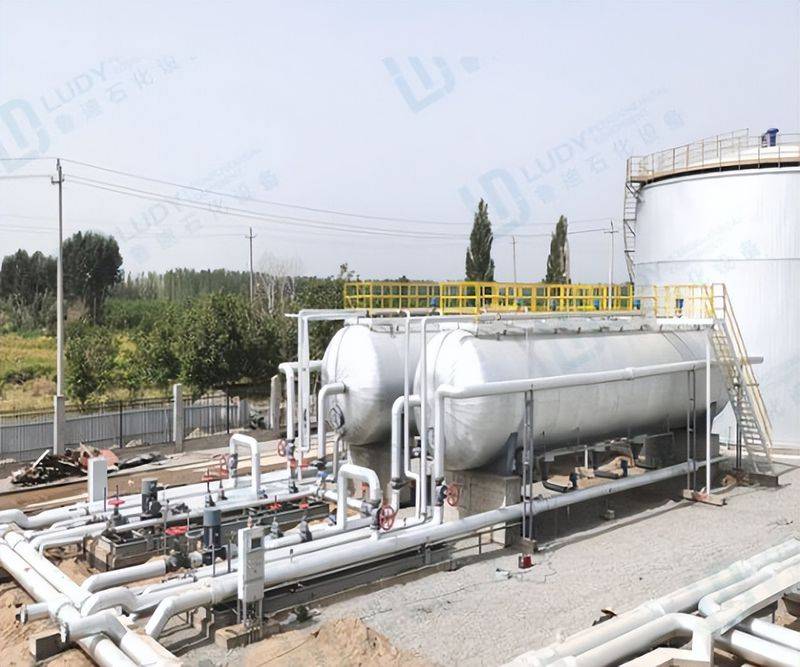
Common problems in the operation of the tri-phase separators:
The oil and water interface is highly volatile: check whether the flow of inputs is excessive or whether the inner parts of the separators (e. G. Block) are damaged。
Gas-exit fluid: adjusts the defoster pressure differential or replaces the efficient defouling element。
Electro-dehydrators: “dehydrators” for shaanxi oil fields
Principle: edus concentrate water droplets through high voltage fields. The heavy emulsion of crude oil in the shaanxi oil fields requires a combination of exchange field + direct current field models to increase the efficiency of the break-up。
Parameter optimization of edu:
Operating voltage: 15-25 kv, adjusted for the water content dynamics of crude oil。
Temperature: 75-85°c, lower viscosity of crude oil。
Stay: 30-60 minutes to ensure full dehydration。
Operational maintenance techniques for dehydrators:
Electrodes: regularly wash with lemon acid solution to avoid shutdown。
Fluctuations of currents: checking the yield of emulsifiable fluids or adjusting the strength of the field。
Hydraulic rotors: “pre-treatment experts” in shaanxi oil fields
Rationale: the currenter uses centrifugal power to separate the droplets, and the oil content of the water from the shaanxi oil field is high, requiring the use of a two-stage cascader, the first-stage separation of large particles and the second-stage separation of fine particles。
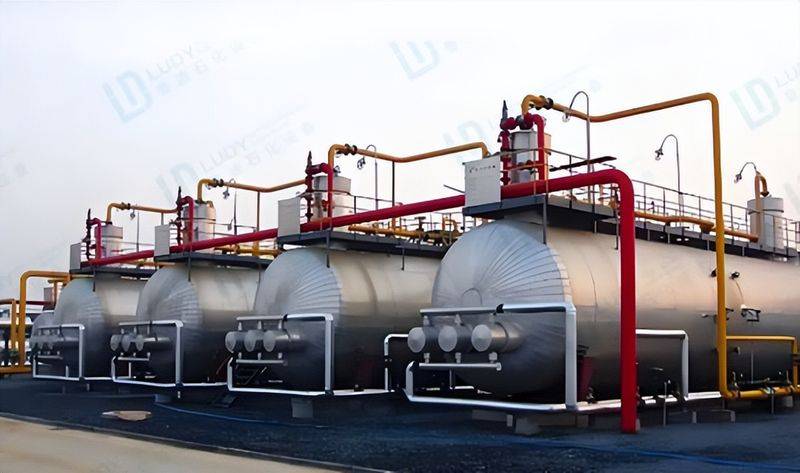
Elements of a hydro-voltager selection:
Particle particle separation floor: 5 mm, ensuring oil removal efficiency > 90%. Pressure reduction: 0. 1-0. 3 mpa, avoiding excessive energy consumption。
How's the hydraulic rotor running a failure check
High oil content in the bottom current: check whether the entry flow is excessive or whether the rotor cone is worn out. Blockage: regularly re-swipe with fresh water or replace a grinding lining。
Iii. Cost budget and control of the oil separation technology process
1. Initial investments: equipment selection and cost optimization
Separators: the unit price of the undercover separators is about $500,000 to $1 million, which, of course, will eventually be determined by specific specifications, but also by billions of dollars. The size of the wells in the shaanxi oil fields is typically one to two units, with a total investment of approximately $5 million to $2 million。
Edu: the typical configuration of the shaanxi oil field, based on treatment capacity options, is approximately $80-1. 5 million at a unit cost。
Rotators: the unit price is about $200-400,000, and the team in shaanxi oil fields is normally equipped with 2-4 units, with a total investment of about $40-1. 6 million。
Total initial investment: total investment in the well group separation system in the shaanxi oil fields was approximately $220-5. 1 million, a 20-30 per cent decrease compared to other fields。
Transport costs: the “lower copy” of shaanxi oil fields
Energy consumption: edus are the main energy-consuming equipment, and shaanxi oil fields have reduced energy consumption from 0. 5 kwh/m3 to 0. 3 kwh/m3 by optimizing field strength, with annual savings of approximately $200,000。
Pharmacy: the oil in the shaanxi oil field is heavily emulsated and uses a high amount of emulsion. The cost of the agent has been reduced from $120/m3 to $80/m3 through optimized additions in ai, with annual savings of approximately $400,000。
Artificial: the separation system in the shaanxi oil field is highly automated, with the frequency of manual inspections dropping from two to one per day, saving approximately $150,000 per year。
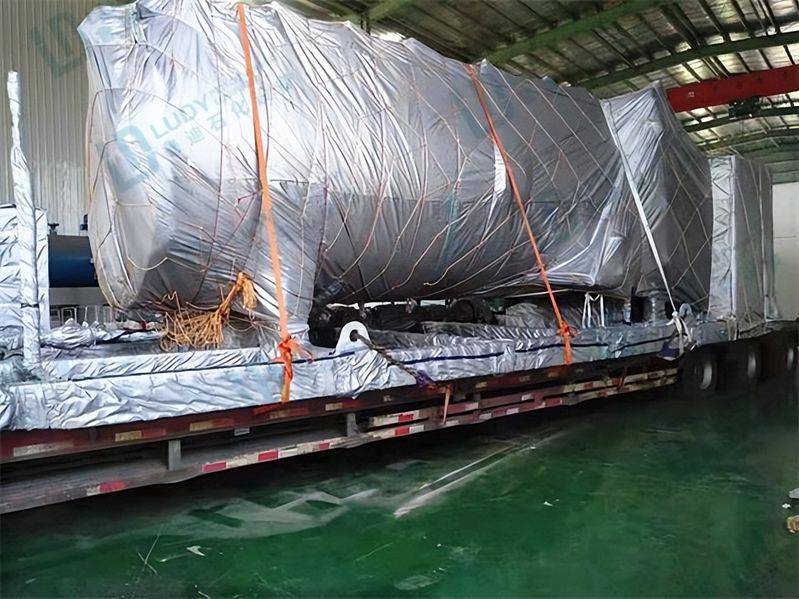
Control strategy: “smart upgrading” of shaanxi oil fields
Ai optimization: the separation system in the shaanxi oil field has been connected to the ai control platform, which has increased separation efficiency by 15 per cent and reduced water quality fluctuations by 40 per cent through real-time monitoring of parameters such as oil and water interfaces, water content rates, pressure, automatic adjustment of separators' fluid levels, electric dehydrator field strength, voltage pressure differentials, etc。
Remote monitoring: the separation system in the shaanxi oil field supports long-range liquid level and pressure monitoring, real-time access to data through mobile phones, ap or computer-end, automatic alarm of anomalies and reduced response time from 2 hours to 30 minutes。
Relevant questions: the “work experience” of the own oil
1. What about the highly volatile water interface of the separators
Reason: excessive flow of feed, damage to the components of the separators, gas-export belt fluid。
Solutions: check feed flows and adjust separators' fluid-level control valves; replace damaged barriers or defosterers; optimize gas export pressure。
2. How can the electrodeter electrodes be cleaned online
Method: cleaning with lemon acid solution and avoiding shutdown. On-site experience in the shaanxi oil field shows that the highest cleaning efficiency of 5 per cent lemon acid at 60°c took approximately two hours。
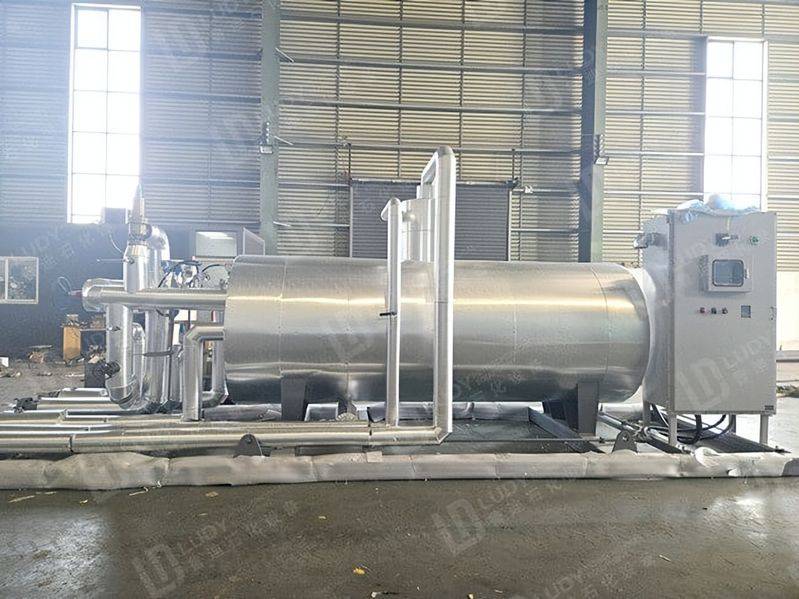
3. How to deal with the flower jammer
Prevention: re-washing with water is carried out regularly, and the practice in the shashi oil field is to do so once every 24 hours for 10 minutes。
Treatment: if the congestion is severe, the rotor is removed and the interior is cleaned with a high pressure water gun。
The oil and gas separation technology in the shaanxi oil field, centred on “gravity deposition + electro-dehydration”, achieved an efficient, economic and environmentally sound separation objective by simplifying processes, optimizing equipment selection and reducing transport costs. Compared with other oil fields, the separation system in the shaanxi oil field is 20-30 per cent lower, transport costs 25 per cent lower, separation efficiency 15 per cent higher and water quality 100 per cent higher. In the future, shaanxi oil fields will continue to explore the deep integration of ai with separation technologies to provide industry with more “sunxie experience”。
Next issue: tomorrow we will focus on xinjiang oil fields and explore separation techniques under high-gas ratio conditions. Look forward to it