A few days ago, the editor mentioned the failure of the oil-water separators
A lot of friends left messages backstage
I'd like to spread the principles of the oil-water separators
I'd like you to share it with us today
Oilwater separators
Oilwater separators: also known as condensers, some of the hosts are called “compressed air-oil water separators”。
It is the first line of defense to ensure that the brake system compresses the air clean
Oil and water mixtures and impurities can seriously affect the performance of brake systems and the lifetime of spare parts。
For the models of country four and country five, many mainframe plants use oil-water separators as a frame。
Principles of operation of the oil-water separator
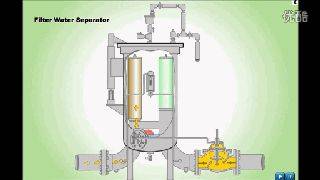
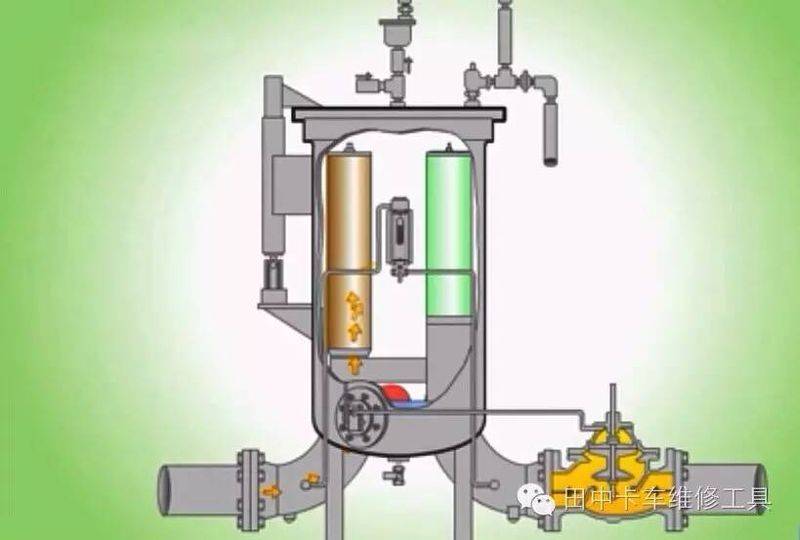
Compressed air flows from side vents into the spiral pipe。
Inside the oil-water separator
Compressed air flows within a downward spiral space
And the oil and water mixture and impurities are left on the steering panel by centrifugal force
Compressed air flows to the bottom of the spiral orbit
It will flow from a vertical uplink and through the top vent。
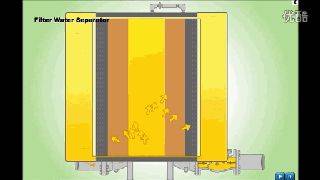
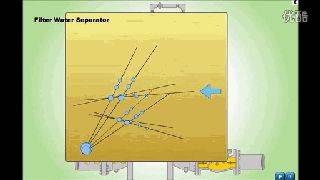
At the same time, oil and water blends and impurities condensed on the steering panel
The gravitational effect follows the downward helix into the bottom collector。
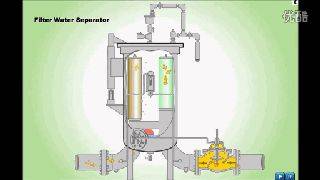
For electro-controlled oil-water separators, the lower part is the electro-controlled automatic discharge valve。
When the drainage valve is powered
Oil and water mixtures and impurities in bottom collectors will be released。
The electro-controlled automatic discharge valve is controlled by a time relay or brake light。
For gas-controlled oil-water separators, the lower part is the gas-controlled automatic discharge valve。
Common failure of the oil-water separator
The main failure pattern of the oil-water separator was the vent leak。
1. Overstocking of oil and water mixtures and impurities due to chronic lack of maintenance, resulting in leakage from automatic discharge of valve cores (electrical control), exhausting film (gas control) and wear of seals
2. In winter, oil and water mixtures and impurities are frozen and valve cores or exhausting membranes are stuck, causing leakage。