With regard to air cleaners and humidifiers, the concept is still somewhat vague, and literally the wetter is a product that increases air moisture while air cleaners reduce air pollution. But the rationale, the conditions of use and the associated effects between the two are not as simple as two sentences, so can the wetter cleanse the air? What are the “trains” between the wetter and the air cleaner?
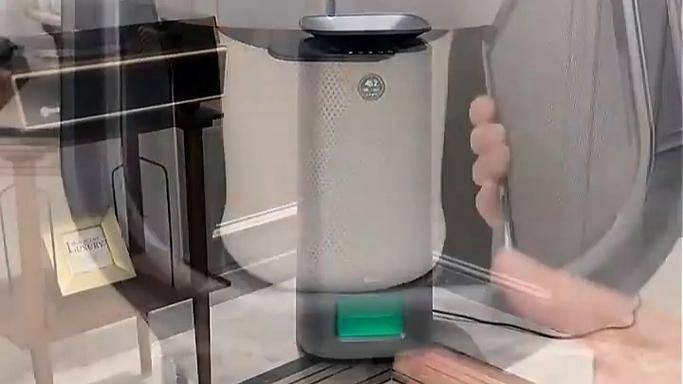
On the internet, there are various accounts of air humidifiers, including the statement that washing the air through a water curtain not only increases the humidity of the air, but also helps to filter the bacteria, dust, particles, etc. In the air (water vapour increases dust, disease weight, so that they cannot float into the air), while also removing paints, molds, smokes, etc. In the air, which means that the humidifiers are not only humid, but also, to some extent, cleaner air。
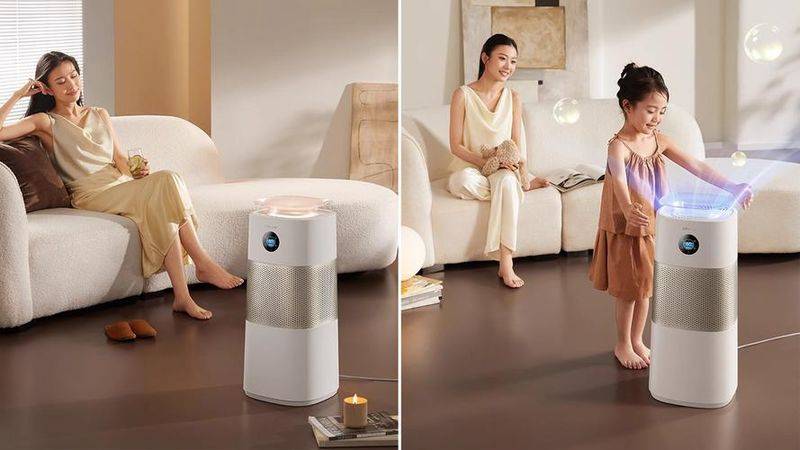
The moistifiers work in a relatively monolithic way, with low market prices, while the air cleaners are affected by their process materials, technology processing, etc., and prices are slightly higher. So, is there any need for air cleaners? It must have been in the hearts of many friends. With regard to the argument that air humidifiers can purify air, the koocent expert has always maintained his reservations — that the humidifiers may be able to sink very few physical sources of pollution in the air, but in addition, their effect in cleaning the air is minimal, and most gaseous pollutants and even particulate matter remain in the air。
Air cleaners use mainly adsorbent and filtering substances such as activated carbon, thus cycling the air, while uv ultraviolet lamps are added to the air for fungicide, enabling harmful floats and bacteria in the air to be filtered for adsorbed by internal filters. Compared to wetners, the functions are more uniform, but the effects of air purification are much higher. In addition to removing physical particles such as bacterial dust from the air, air cleaners can effectively filter micro-organisms, chemicals, such as mites, bebenzo, formaldehyde, sulphur, ammonia, etc. In the air。
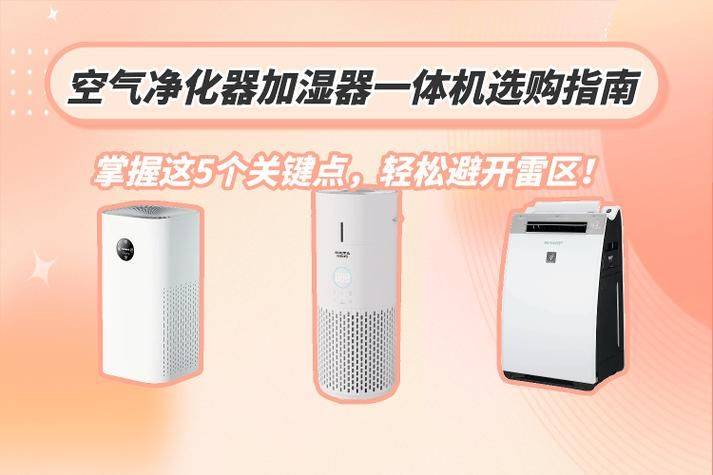
Since 2013, the country's domestic air purification industry has developed in the form of well blow-outs, and many large domestic electric brands have successively introduced cleaners in an attempt to open up their own markets in the air purification industry. The variety of brands of cleaners is increasing, making consumers obfuscated, especially when they are selected, according to koocent's engineers: the purchase of air cleaners should not be too price-oriented, the selection should focus on home-based sources of pollution, procurement should take place on a case-by-case basis, rooms that have just been renovated should not be immediately occupied, if they are necessary in the near future, it should be recommended that they be purchased in order to reduce the content of formaldehyde in the air. The danish koocent detector not only detects the values that show pm2. 5, but also detects and displays the value of formaldehyde and proactively cleanses the rooms that have been ready for occupancy for some time。