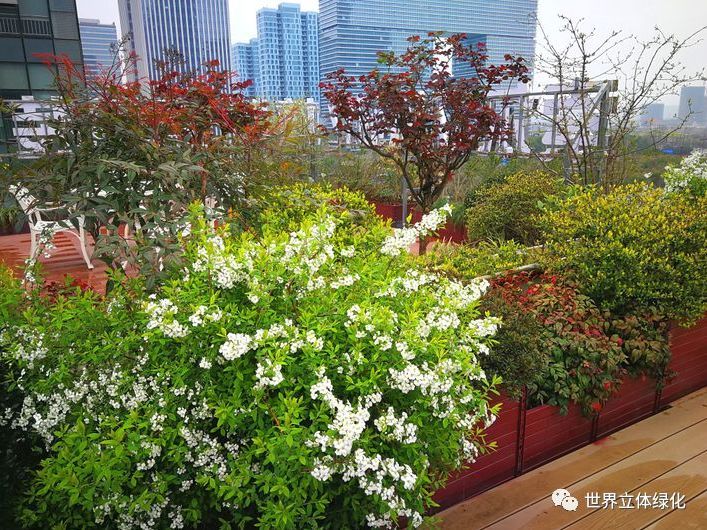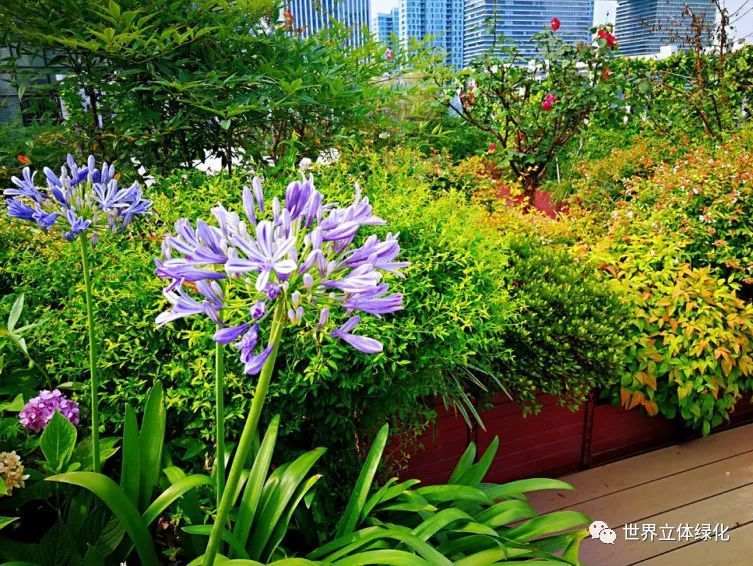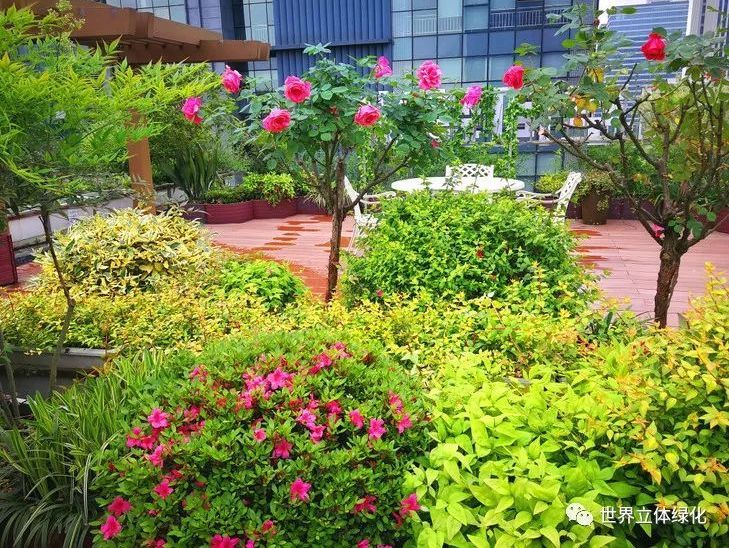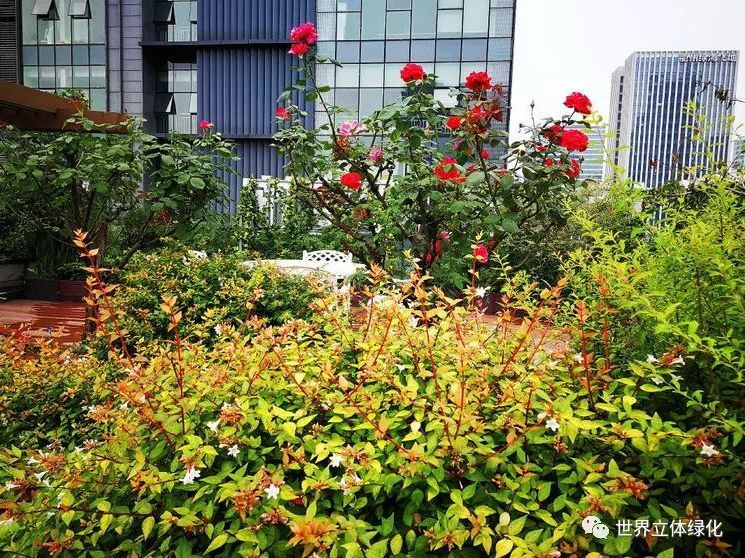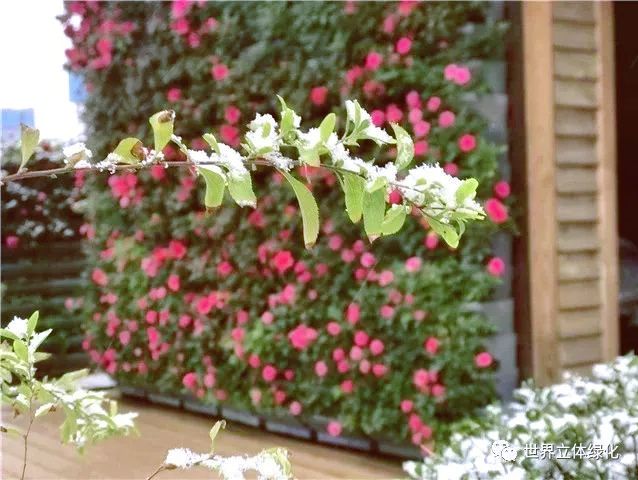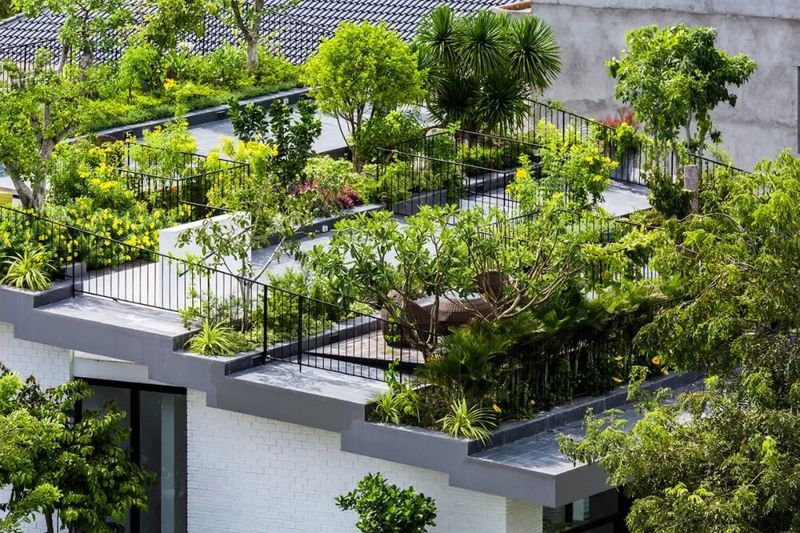
Cement-like buildings have created urban features and isolated natural connections between people and nature. Our story of “intimateness” with nature remains in the countryside and in the past。
How can we, in cities, re-establish ties with nature? The greening of roofs, as a way to increase the rate of greening of buildings, is an effective way of developing eco-cities, improving the urban environment and promoting harmony between people and nature。
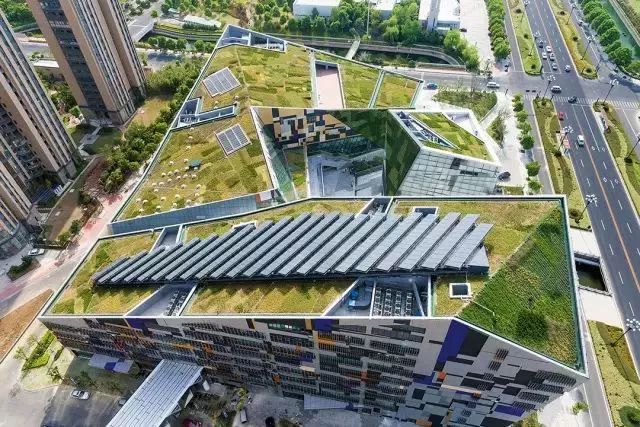
The roof is greened, and the common international definition is that of all cultivation techniques that are isolated from the ground. It covers not only roofing, but also the greening of special spaces for buildings and structures that are not connected to the ground, nature, soil, etc。
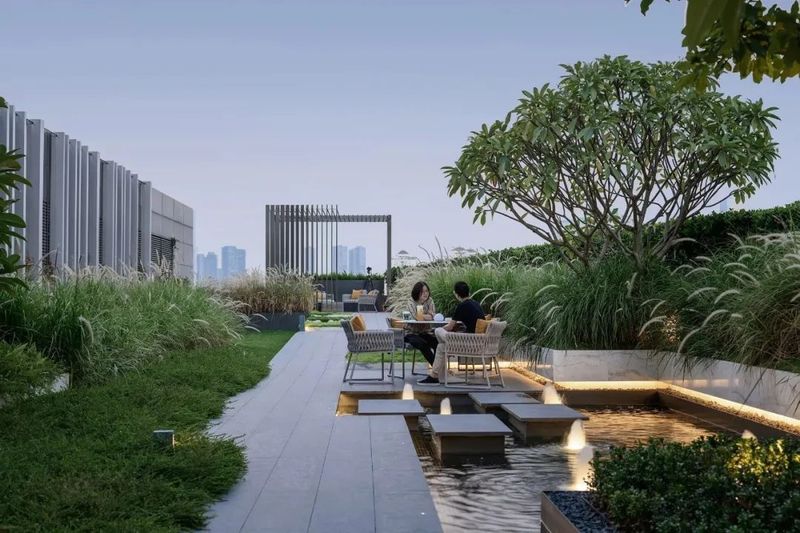
Vol. 01
The greening of the roof
1. Increase greening coverage and glorify the habitat environment。
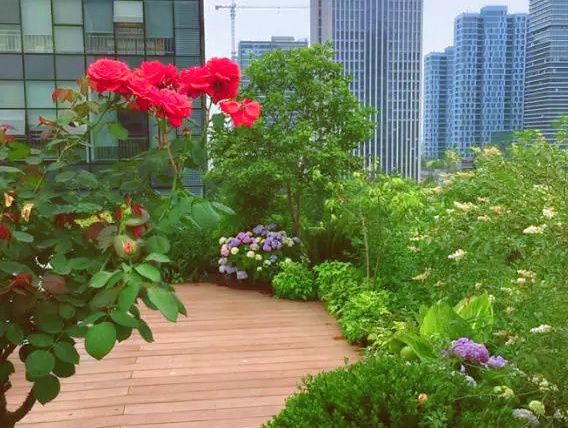
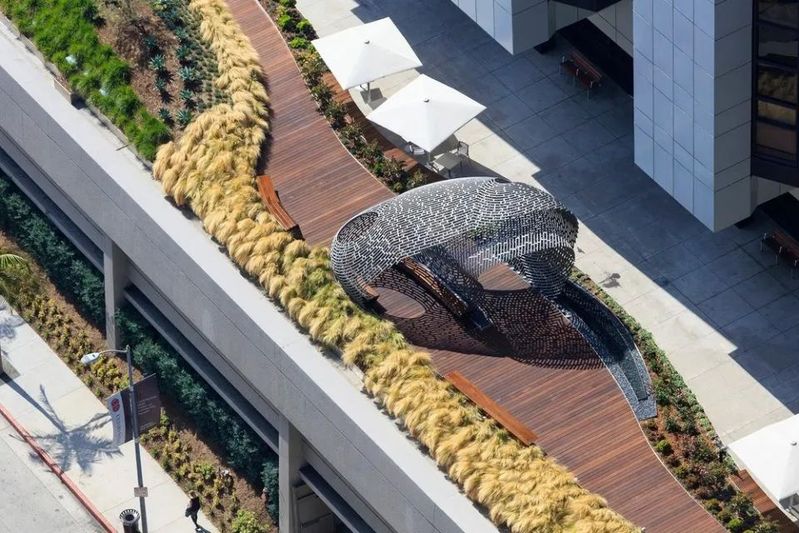
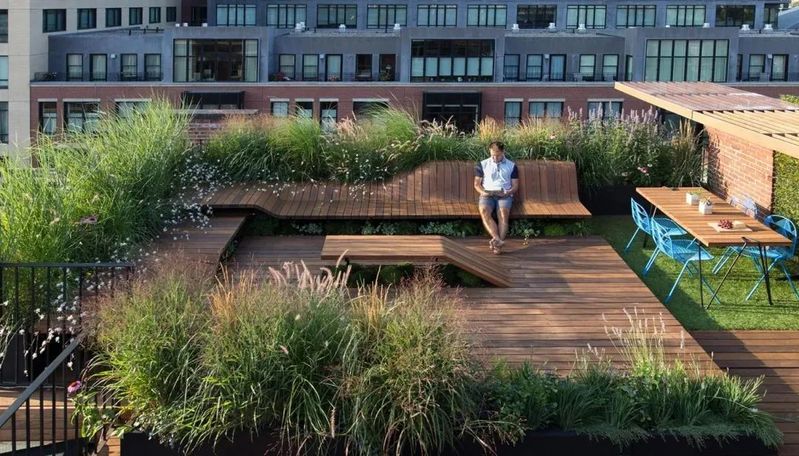
The growing number of urban buildings and the increasing number of floor greening areas and the greening of roofs can increase the number of city greening areas and make them more eco-efficient. It has also created a beautiful environment for the occupants and users of buildings, and even some roof gardens have become important places for people to entertain。
2. Promotion of rainwater harvesting and protection against seepage。
After the roof is greened, the top floor of the building will increase soil and vegetation, protect the water layer well and prolong the life of the water layer. At the same time, a certain number of green plants, their leaves and the soil of their roots, can spread or accumulate water, avoiding the concentration of rain on the roofs, thus providing good protection against seepage on the surface. In addition, rainwater harvesting systems can be accompanied by the setting up of some sloped floors and the natural importation of rainwater into water storage units using gravity。
Enabling energy efficiency in construction。
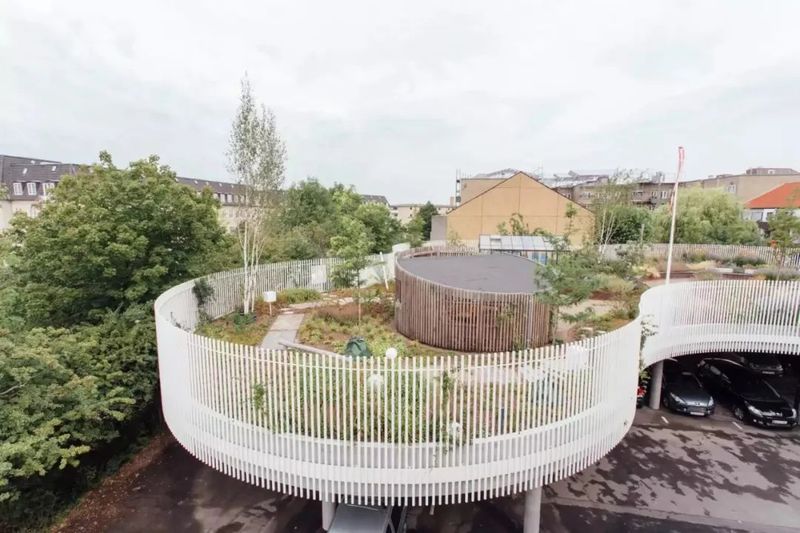
The roof garden forms an effective insulation layer through a green vegetation system, which can significantly reduce thermal radiation from direct sunlight in summer and become an effective insulation layer in winter. Practical results show that buildings with green roof gardens are designed with overall temperature decreases of 0. 4-4°c in the surrounding environment。
4. Improvement of air quality and improvement of the small climate around buildings。
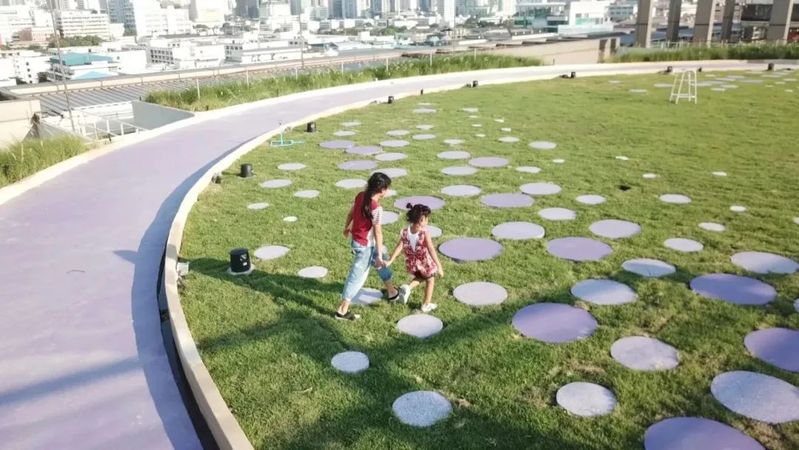
The branches and roots of plants have excellent solid soil, dust particles and air purification, and, in addition to absorbing co2 and releasing oxygen, roof gardens have the effect of adsorbing so2 and nox. Large-scale applications are more effective, with studies showing that the green rate of roofs in cities is over 70 per cent and that the amount of co2 above cities will drop by 50 per cent。
Vol. 02
Building infrastructure requirements for roofing
Despite the many benefits of roofing, physical construction is constrained by many factors, such as the construction of roof structures, loads and ecological conditions on roofs, particularly the higher infrastructure requirements。
(1) top plate load. The greening of the roof places greater demands on the carrying capacity of the roof structure of the building. The garden roof structure, which includes, in addition to soil, wood, shrubs and herbs, is designed to provide an integrated assessment of the load of these plants on the roof of the building。
(2) rooftop slope. The greening of the roof places some demands on the slopes on the surface, and if the slopes are so large that they are not conducive to soil attachment and plant growth, the gravity factor is so great that the green garden roofs require as much as possible flat roofs and, when the slopes are less than 15°, a lawn roof structure is desirable。
(3) high construction requirements. In the event of wind and stormy rains, it may result in the creation of roofs that threaten human security. As a result, cities have made provision for the height of roofing, such as beijing, where the level of requirements should not exceed 12 floors, shanghai, where the level of requirements should not exceed 6 floors, and specific requirements are related to weather and monsoon conditions。
(4) water protection and drainage. When designing waterproof roofs, emphasis is placed on material selection and construction processes, drainage performance is related to the safety of the roof garden, taking into account the need for drainage in extreme storm weather, drainage pipes and drainage flow to meet the need for drainage within one hour。
Vol. 03
Saul modular group
Roof green solutions
The functions and construction materials of the traditional roofs, which are greened by structural layers, from the base to the upper floor, include the concrete layer of the house, the impregnable root-penetrated water-proof layer, the aquifer and drainage layer, the quarantine filter layer, the matrix layer, and the planting layer, vary from one layer to another, with more construction processes and requirements and technical thresholds。
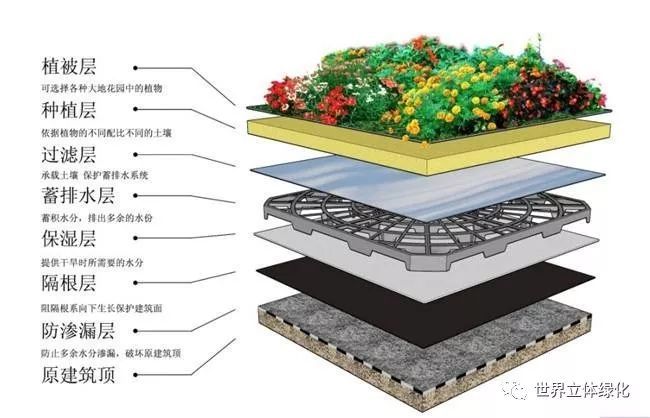
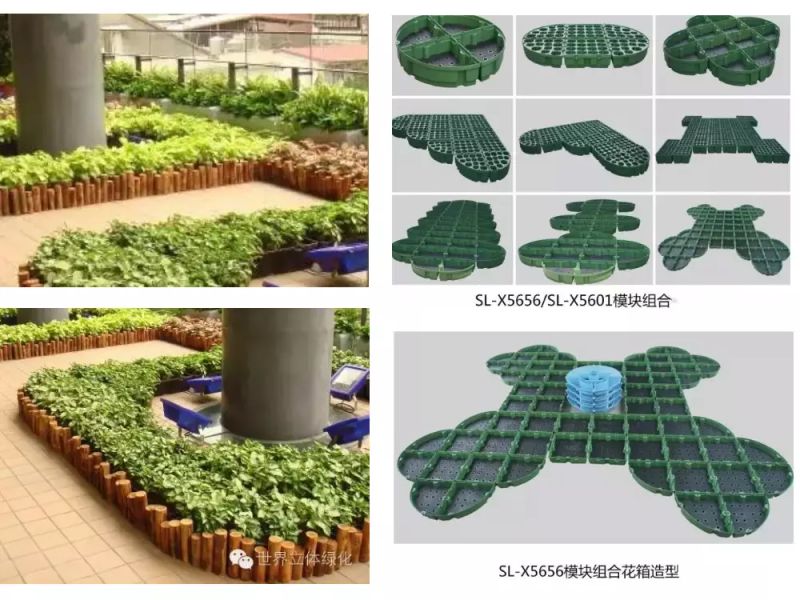
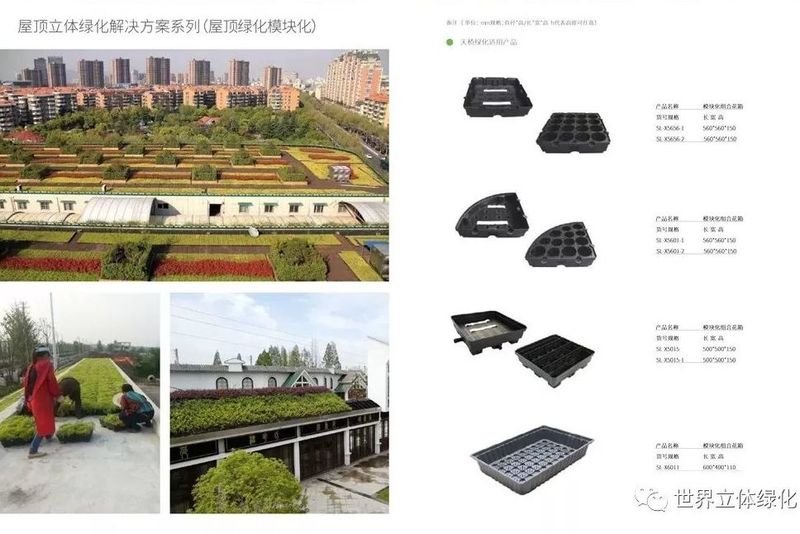
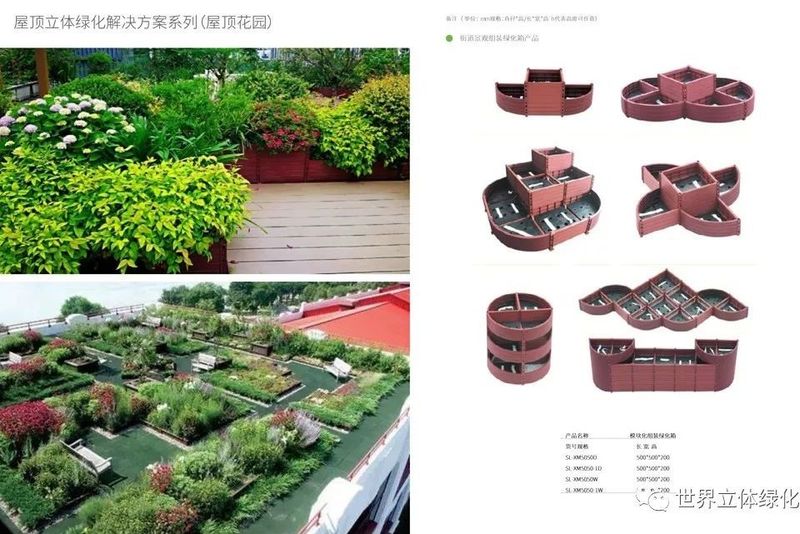
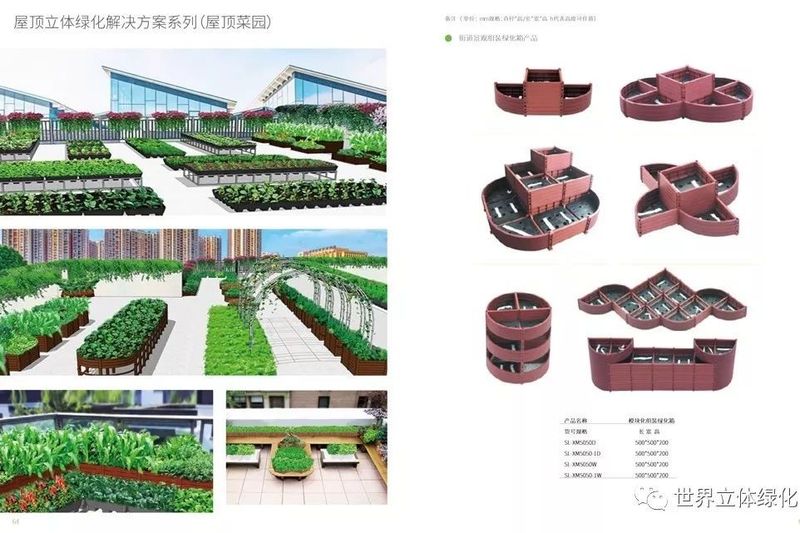
Sol's modularized roof greening solution, which subverts the traditional roof greening approach, combines the compartments, the wetting layer, the drains and the filters in a combination box, through which a personalized roof garden is built。
Compared to the traditional roof greening approach, saul's modularized combination greening solution, which is simple and self-contained, significantly reduces the construction process; addresses roof waterproofness and increases the combined utilization of roof rain; and addresses plant root puncture。
Modular group advantages
Standard modularization combinations, customise personalization options
It's simple, it's any combination, it's fast
Conservation convenience, water fertilization without the need for specialized conservation techniques
No stitches, no water, no root piercing
Both stand-alone modules and shared water sources
Self-carrying drainage and heat insulation
Stereo-effective to meet multiple needs
Vol. 04
Roof greening smart maintenance
In addition to design, the most difficult to implement is conservation management. A number of roof-green belts have some privacy, such as family roofs, school roofs, certain high-end commercial sites, etc., and are not readily available to maintainers. The greening of the roofs, which lack maintenance, leads to the uncontrolled growth of vegetation or low survival rates, affecting its beauty。
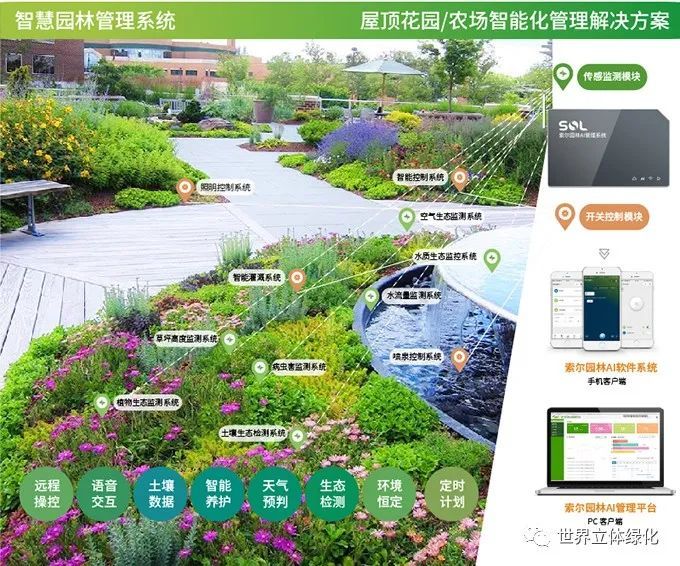
The saul gardens ai management system, which connects landscape management with everything in conservation equipment, helps gardeners build new models of diversified smart management。
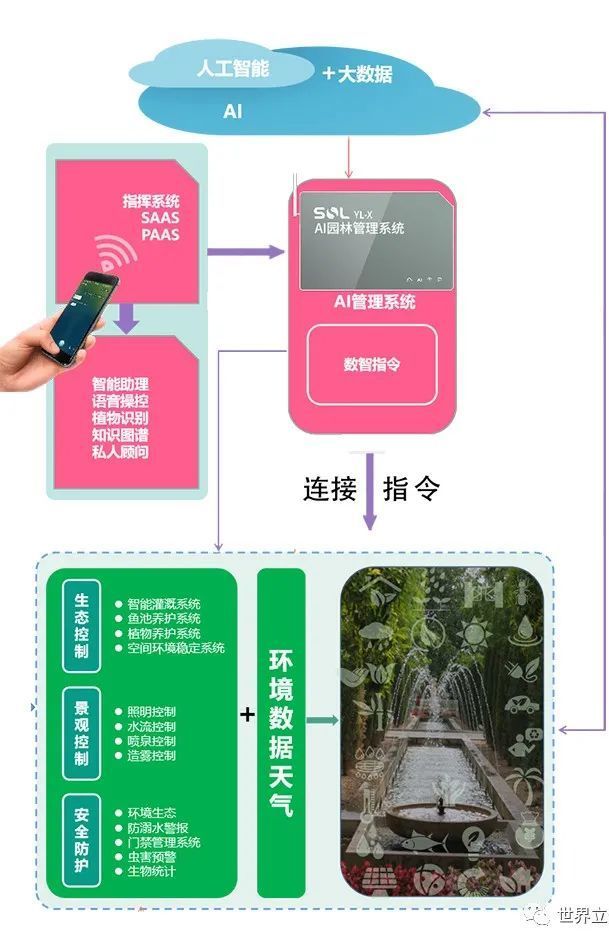
Saul gardens ai management system
The saul gardens ai management system, using new technologies such as 5g, big data, cloud computing, etc., provides precision monitoring of ecological data such as plants, soils, water sources, water bodies, air, etc. It is also possible to centralize the various types of intelligent interactive devices, landscapes, etc., without having to decentralize the various apps, with a single personal assistant in thor gardens ai able to achieve precision irrigation, precision fertilization, precision control, scientificization, intellectualization, a significant reduction in manual input, and a very suitable conservation management for the greening of the roof。
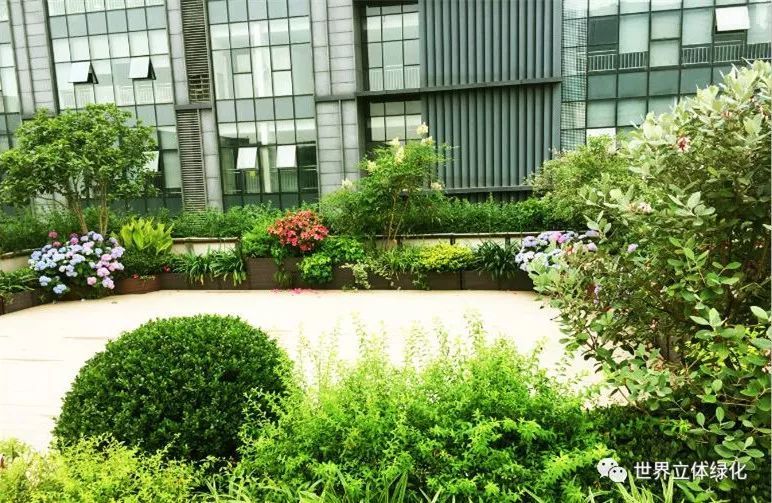
Modular cluster case appreciation
Saul gardens, roof garden