I've just been in touch with electronics friends, and i've been stunned by the terms smt, dip, pcba -- what's the difference? Misprocessing can also lead to waste of costs and poor product performance. From an electronic manufacturing perspective, the paper dismantles the core concepts, process characteristics and differences of smt, dip, and pcba, and helps you to quickly sort out the relationship and avoid processing selection errors. As a 1943 technology for over a decade for shenzhen smt post processing, you will also share practical suggestions for a new hands-on type in the text, helping to put your projects on the ground. First, understand the basis: smt, dip, pcba
To distinguish between the three, it is first necessary to clarify the core definition of each term and the process scene, which is not a “parallel relationship”, but rather the logic of the “process interface”。
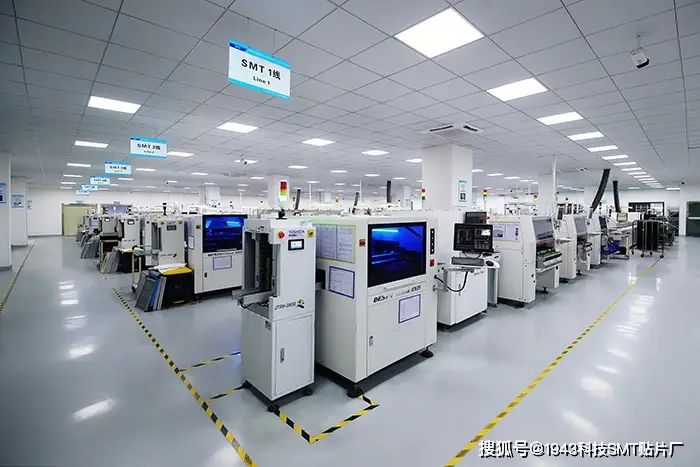
Smt "player" process, which allows components to "post" on circuit boards let's go
Smt, fully known as surface mount technology (surface patching technology), is the core process of “fixing small components to the surface of circuit boards” in electronic manufacturing and is an important part of the pcba process。
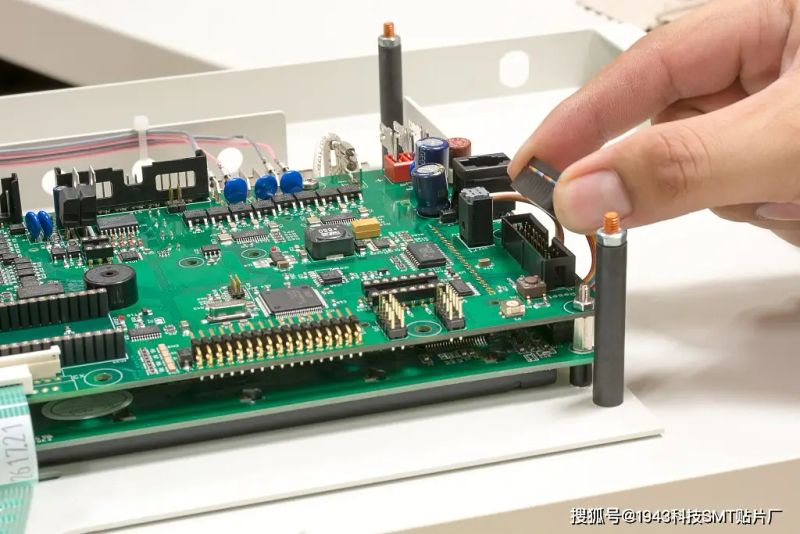
Dip "plug-in" process, large components for circuit boards "plug-in"
Dip is fully known as the dual in-line package (two-bar direct plug-in), but in the processing scene more refers to the "pore-plugging process" as a complement to the smt process - a dip process is required when the component cannot be fixed through a sticker。
The pcba concept of “finished product” is the ultimate result of smt+dip
Pcba, known as the printed cit board assembly (printed circuit board component), is not a single process, but a “directly usable circuit board product formed by pcb boards processed through processes such as smt, dip”。
Core differences: 3 dimensional fast-disaggregation smt, dip, pcba
Many newcomers confuse the three, and the essence is that the relationship between the “process” and the “finished product” and the difference between the two processes. The following 3 dimensions can be quickly distinguished:
Nature properties: process vs finished 2. Widgets fixation: surface adhesion vs hole plugin 3. Applicable scene and pcb relationship
Iii. Recommendations for the selection of new hands: selection of the process according to product demand
When conceptualization and differentiation are understood, the core of a newer's choice of processing options is “to determine whether smt, dip, or a combination thereof, according to the type of component and product needs”, avoiding blind selection。
1. Smt only
If on the circuit board of your product, all components are small components (such as smart bracelets, circuit boards for bluetooth headphones) that are not required for frequent interplugging, the smt process is sufficient。
2. Need for smt+dip integration
If there are both small patches (e. G. Chips, resistance) and large plug-in components (e. G. Power interfaces, relays) on circuit boards, smt stickers and dip plugs (e. G. Industrial controllers, circuit boards for chargers) are required。
3. Why select a processing plant that can be a smt+dip at the same time
Many newcomers will be looking separately for smt and dip plants, which not only increase communication costs, but may also lead to quality hazards due to process connection problems (e. G. Smt well-set components are damaged by dip processes). Select a manufacturer like 1943 that can provide smt+dip at the same time, with two core advantages:
At the end of the line, pick the partner and don't turn around
Understanding the concepts and differences of smt, dip, pcba is only the first step in project landing for new electronic manufacturers; selecting a processing plant that is mature and provides full-process services is the key to avoiding pedaling. 1943 the technology focus smt sticker + dip plugin + pcba complete process 10 years +, from the commonly used “component selection proposal” to “volume production quality control”, has standardized service processes that help you solve processing problems quickly。
If your project is in the phase of “discretion between smt or dip” “needs to identify pcba processing costs”, we welcome private trust 1943 technology, and we can provide free technical advice to help you develop suitable processing programs。