The acne grinder is a grinding device that is widely used in industrial production. Its core component is acne ball, with a high hardness and millability. The cylindrical grinders are used mainly for the fragmentation and mixing of materials and are used in various industries, including ceramics, chemicals, metallurgical and construction materials. The paper will be analysed around the application of efficient grinding techniques for the acetosphere grinder, and will be discussed in terms of equipment principles, technical characteristics, operational points and examples of applications。
Zirconium oxide
Sand grinder ball grinder grinder with ceramics, aluminum oxide/silicate carbide etc
Open 100 degrees app
Scanning now
One click
I. Rationale and structure of the ball grinder
The working method of the ball grinder is based on a combination of shock and friction. The main object of the device is a rotating cylinder, with a gill ball inside as a grinding medium. When the cylinder turns, the ball rises to a certain height by acting with centrifugal and frictional force, and then falls or rolls, impacting and grinding on the material in the cartridge. This mode of movement can break large pieces of material into small particles, while achieving even mixing。
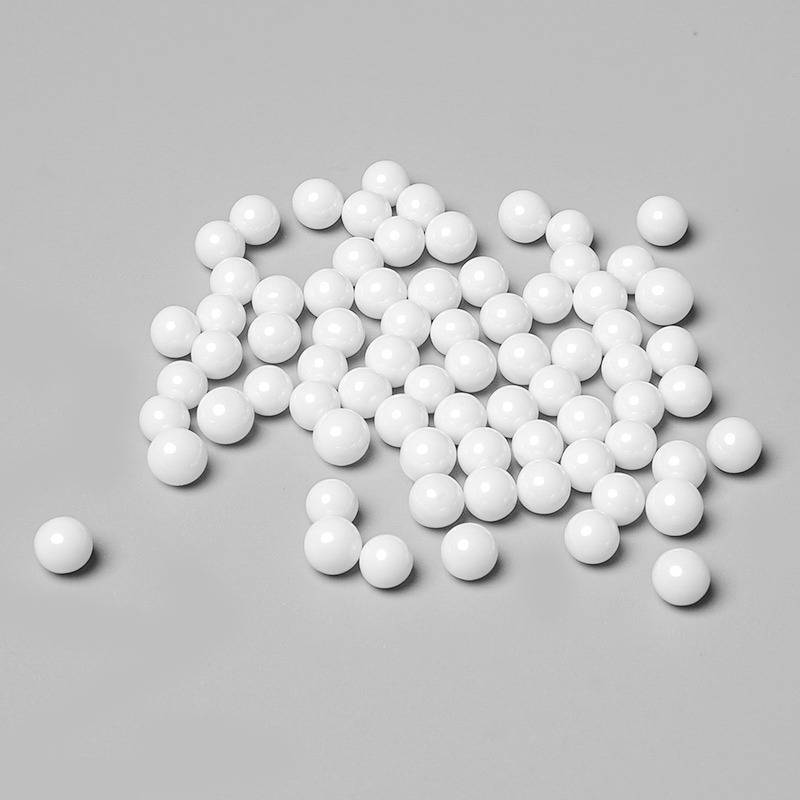
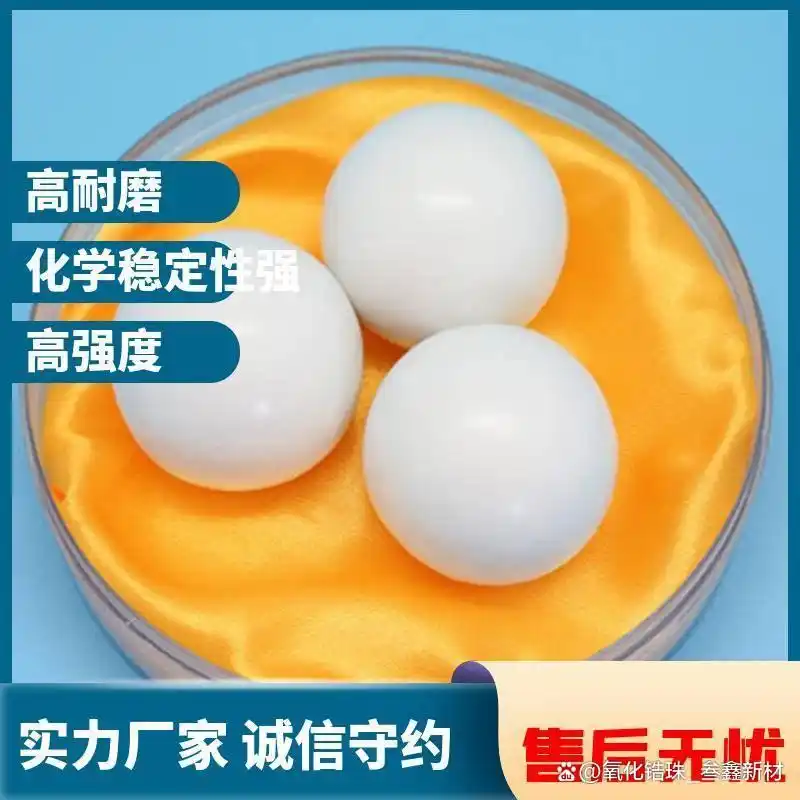
The structure of the ball grinder consists mainly of cartridges, transmission systems, feed outlets, feed outlets and control systems. The cartridges are usually made of steel and are lined with grinding material to prolong their useful life. The materials of the ball are oxidation or partially stable oxidation, high density, hardness and corrosive resistance, and are suitable for handling high hard matter. The transmission system rotates through electric and speed-reducing drives, and the control system adjusts speed and running time to the grinding needs of different materials。
Ii. Key elements of efficient grinding techniques
Efficient grinding requires a combination of technical factors. The following are some key points:
1. Selection and ratio of a ball: the size, shape and materials of a ball directly affect grinding efficiency. Smaller balls provide a larger area of exposure and are suitable for fine grinding; larger balls are suitable for rough grinding. In practical applications, multiple sizes of cylindrical balls are often used to match to balance impact and friction to improve overall efficiency. The mass of the ball should have a high hardness and low wear rate in order to reduce media loss and pollution。
Rotation control: the speed of the cylinder is an important parameter affecting the grinding effect. When the rotation is too low, the ball cannot be fully elevated, leading to a decrease in grinding efficiency; when the rotation is too high, the ball may be attached to the barrel wall to reduce the impact on the material. The popular rate of rotation is usually calculated on the basis of the diameter of the cartridge and material characteristics and is generally between 60 and 80 per cent of the critical rate。
3. Material properties: the hardness, humidity and particle distribution of materials influence the grinding process. High-hardware materials require longer grinding times or more hard gill balls; higher-humid materials may need to be pre-dried to avoid adhesion to the walls of the tube. The balance of output particles can be optimized by adjusting the particle size of the feed and the grinding time。
4. Filling and media filling ratio: the load of thallium balls and materials needs to be reasonably configured. Media filling rates refer to the proportion of a ball to the volume of the cartridge, which is usually recommended between 30 and 50 per cent. Overfilling increases energy consumption and reduces efficiency; underfilling may lead to insufficiency. The ratio of the material to the ball will also need to be adjusted for specific applications。
Operation time and energy consumption management: the length of grinding time directly affects the particle size and production costs of the finished product. An experimental determination of the popular running time avoids excessive or insufficient grinding. The introduction of energy-efficient power units and the optimization of transmission systems help to reduce energy consumption and operational costs。
Iii. The application of the ground ball glower
The cylindrical grinder is applied in many industries because of its efficiency and adaptability. The following are typical areas:
1. Ceramic industry: in the preparation of ceramic materials, the accelerator is used to grind minerals such as alpine soil, quartz and long stone. Its high-hard mass ensures even detail of the material and increases the strength and appearance quality of ceramic products。
Chemical industry: chemical materials such as pigments, dyes and catalysts often require fine grinding. The cylindrical grinding machine is effective in reducing the size of particles, enhancing the reactive and dispersive nature of the material and applying to the production of high purity products。
3 in metallurgy: in metal ore treatment, a cylindrical grinder is used to break and grind ores and to increase the efficiency of mineral selection. Its corrosive resistance makes it applicable to wet grinding processes and reduces media loss。
Building materials industry: the grinding of cement, lime and other building materials requires efficient equipment. Gyroball grinders can improve production efficiency and product quality by adjusting parameters to different hard matter。
Iv. Operational and maintenance elements
To ensure the long-term stable operation of the ball grinder, the following operational and maintenance concerns need to be noted:
1. Periodic inspection: in the course of routine operations, wear and tear of the liner and ball in the tube should be checked. Serious wear and tear components need to be replaced in a timely manner in order to avoid impact on grinding effects and equipment lifetime。
2. Lubrication management: the bearings and gears of the moving system require regular lubricants to reduce friction and wear. Use of appropriate lubricants and maintenance in accordance with the recommended cycle in the equipment manual。
3. Cleaning and pollution prevention: when handling different materials, the cartridges need to be thoroughly cleaned to prevent cross-contamination. For high purity applications, a high purity ball can be selected to reduce impurities。
4. Safety operations: operators should be trained in the principles of operation and safety protocols for equipment. In the course of operation, avoid direct contact with the rotating components and ensure that the protective devices are intact。
V. Economic and cost analysis
The initial investment in the acne grinder may be high, but its long-term operating costs are relatively low. The high tolerance of the ball reduces the frequency of the medium replacement, thereby reducing maintenance costs. Energy consumption can be further reduced and electricity saved by optimizing operational parameters, such as speed and load. In the case of a ceramics factory, the introduction of a cylindrical grinding machine resulted in an increase of about 20 per cent in grinding efficiency, a reduction of about 15 per cent in annual maintenance costs and the recovery of investment in equipment within one year。
In the cost analysis, the price of the ball, electricity and labour costs need to be considered. The market price of the ball varies from several dozen to several hundred dollars per kilogram, depending on the material and size. The selection of the right type of gillball, combined with actual production needs, can innovate the economic benefits。
Future trends
With technological advances in industry, the acne grinder is moving in the direction of intellectualization and efficiency. Some new equipment combines sensors and automated control systems that allow real-time monitoring of grinding and adjustment of parameters. Advances in material science may lead to higher performance levels of cylindrical materials, further improving grindability and grinding efficiency. These innovations will promote the application of the gillball mill in more areas to meet growing production needs。
In conclusion, the high-efficiency grinding technique of the arcade grinder relies on rational equipment selection, optimization of operational parameters and maintenance management. By understanding its rationale and application elements, users can achieve greater efficiency and lower costs in production. In the future, with technological development, this equipment will continue to play an important role in industrial production。