Foreword
The question is: what's the sound
This is the most fundamental question of poetry. Four words, flat in, three in。
Today, mandarin's voice is divided into one, two, three and four, and the sound is roughly one and two, and the sound is roughly three, and the sound is roughly four。
But it's complicated, and it's not in mandarin, and it's all in four today。
One, four, five
The ancients study the sound of the scriptures, and during the period of wei jin, they have a book to study the sound。
It is said that china's first rhymes are li deng's voice and jindai lu jing's symphony. But these two books are dead。
In tang dynasty's monograph, "the voice is written in five words, no parts." the five sounds of sound may be the palace, the merchant, the horn, the sign, the feather。
The hymns have been written by others, such as tung-hyun, and the hymns have since been hymns with a symphony system。
It rhymes with four sounds: flat, top, go, enter。
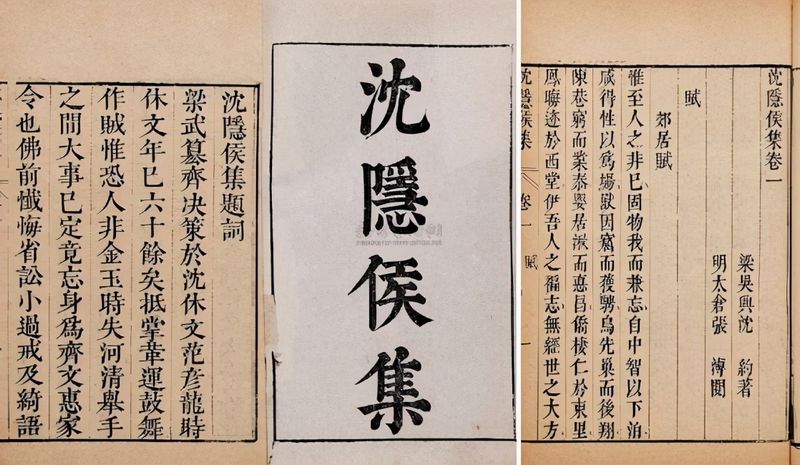
In the qi liang era, the inming poet shen had explained the difference between four and five:
Shen zheng (441-513), with no words, went through the southern dynasty of song, zhi and liang, and was the south dynasty of liang, with the name qian zhi. So he is also known as shen shek。
What's flat
What's flat? It explains: ping, right. Eclipse says: flat and flat. It explains: ping, ping shu, too。
By definition, it is flat, it is not tilted; it is square, it means inverse, it means inequity, it means inverse。
The text explains the word “single”: this word is used in the context。
The tang dynasty poet called it "side." tang dynasty won and the poet king wie, around 806-820, have the book "the sons."
The last four words refer to "september of august", "august", "august," "month" and "month" and "september". All four words sound。
The chinese are talking about the modulation that is today. The python has one color, and the “species” should be the acoustic result with a side (singing) so it is the body (singing) and the next sentence with a “nil” pair is the standard method of hysteria。
Iii. How do we split the flat
As stated above, the qi liang young-min poet studied four sounds, and the latter divided them into two categories: peace。
1 ping
In four sounds, flat is flat. It's equivalent to one and two of our mandarin. Like mom, ma。
Two, boom
Up, up and down are "uneven" and we call it a sling or a side。
For example, the top sound: the horse, which is three times today; the off sound, which is like the four times today
Three, three
Most troublesome is the sound, and after song's "three sounds" the words are sent to the flat。
Word: uncle, it's today. It's like house, out, one, lost。
Words: the state, today is two. It's like a combination, a novel, a tongue, a bit。
Words: french, three today. It's like north, snow, bones, blood。
Word: step, today is four. It's like leaves, walls, endings, music。
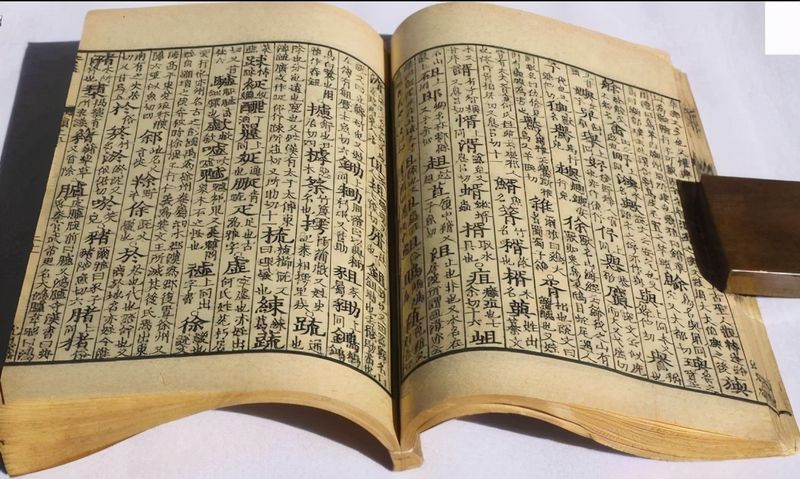
Marking in poetry
In the hymns, there are three words in chinese: flat, medium, medium。
For example, in the cinnamon dictionary, liu xinxi's words, "the song of the song" , are plain:
In symbols:
The word “” in the syllable indicates that there is a symphony here, such as the “blue, love, voice” in the song “the sun”. If so, it means a rhyme, as in the case of " red river " , which is the rhyme。
"squares; "squares; " ; " ; " ; " ; " ; " ; " ; ; " ; ; ; ; ; ; ; ; ; ; ; ; ; ; ; ; ; ; ; ; ; ; ; ; ; ; ; ; ; ; ; ; ; ; ; ; ; ; ; ; ; ; ; ; ; ; ; ; ; ; ; ; ; ; ; ; ; ; ; ; ; ; ; ; ; ; ; ; ; ; ; ; ; ; ; ; ; ; ; ; ; ; ; ; ; ; ; ; ; ; ; ; ; ; ; ; ; ; ; ; ; ; ; ; ; ; ; ; ; ; both the word ⊙ and the word ⊙ can be expressed as `medium'。
It's a hymn, and it's a poetry. The plainness of the poem, of course, is also marked。
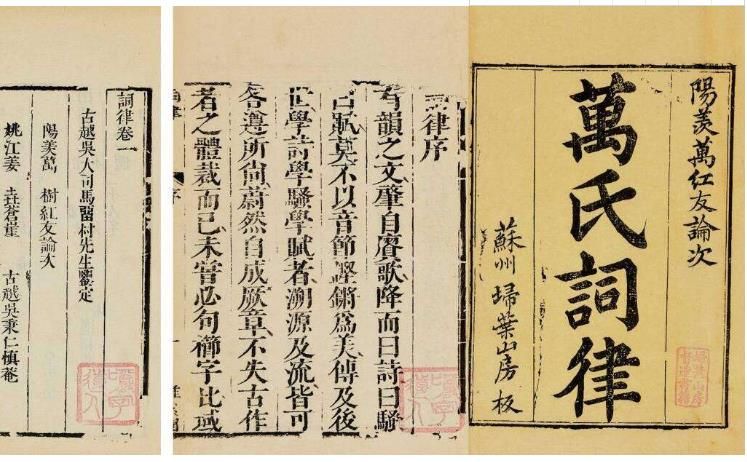
Concluding remarks
Flatness is the basic knowledge of the creation of old body poetry, which cannot be entered if it is not plain。
However, now the academy of poetry promotes the chinese physics, basically replacing the four voices of mandarin. One, two, a lifetime, three, four。
It's almost impossible to ask for a hymn in such a poem, which is much simpler。
# old street smell
Liu poi's episode of poetry, 2nd of 5 rings of poetry