"eight cups of water a day, healthy and losing weight."
"when you're thirsty, you'll have a shortage of water."
"a glass of light salt every morning, detoxified and colored."
So, the large kettle on the desk was filled, and the water on the phone reminded app to be put on top, and you choked and poured a glass of water into your stomach, like you did. You look at the empty bucket on the water machine, and you're solid in your heart: "today's refilling kpi is overworked."
But, is it right to drink more
A growing body of research and evidence is pointing to a fact that we have long ignored: the blind watering may not be feeding, but the injury。
I. What happened inside of you while you were drinking water
Before we figure out how to drink water, let's see what the body's going through when it's overdrinking。
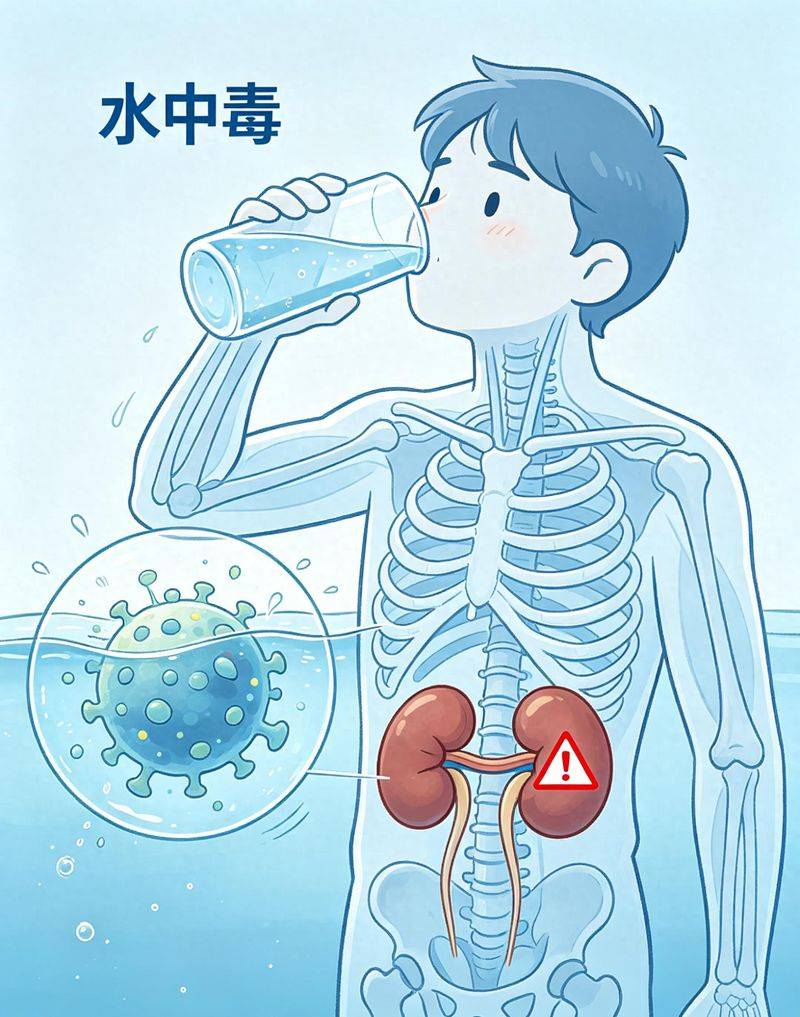
The kidney “discharge flood” is operating overload. The kidneys are humanly sophisticated “water treatment plants” and healthy kidneys can eject up to 800-1,000 ml of water per hour. When you pour much more water in a short period of time, the rate of discharge of the kidneys does not keep pace with the rate of entry, the excess water flows into blood, diluting electrolyte in blood, especially sodium ion. It's like adding white water to a well-placed soup, which is diluted and its value diluted。
Cells struggled on the edge of drowning. When the sodium concentration in the blood is too low, the moisture, under oscillation pressure, flows from the veins into the mesoples and cells and causes cell oedema. The brain, as the “general command” of the human body, has a fixed skull space, and once the brain cell is edema, its internal pressure rises rapidly, and light causes headaches, nausea, vomiting, which can lead to blurred consciousness, epilepsy and even coma. This is medically called low sodium haematosis or water poisoning, sometimes fatal。
Cardiac and lung function is subject to “invisible internal flooding”. Blood capacity surged in a short period of time, and the blood pump load of the heart increased dramatically. For a healthy adult, it may only feel frustrated, but this is tantamount to creating a “flood” in the body for a population with incomplete kidney or heart functions. The extra moisture will also seep into the lung tissue, causing pulmonary oedema, which makes it feel like drowning and can't breathe。
“compulsory clearance” of nutrients. Water is not only a carrier of metabolic waste, but also of a variety of water soluble vitamins and minerals. Following a large amount of rapid drinking water, the amount of urine released has increased dramatically, and trace elements such as vitamin b, vitamin c and potassium, magnesium, which are not yet absorbed by the body, are quickly “splashed” out of the body, causing the loss of hidden nutrients。
Why is "drinking again" actually a gold standard
Many people are taught to say, “it's too late to drink when they're thirsty”, as if thirst was a body letter of help. But the working mechanisms of the human body are far more complex and sophisticated than a simple slogan。
The thirst center is the most sophisticated water-level sensor in your body
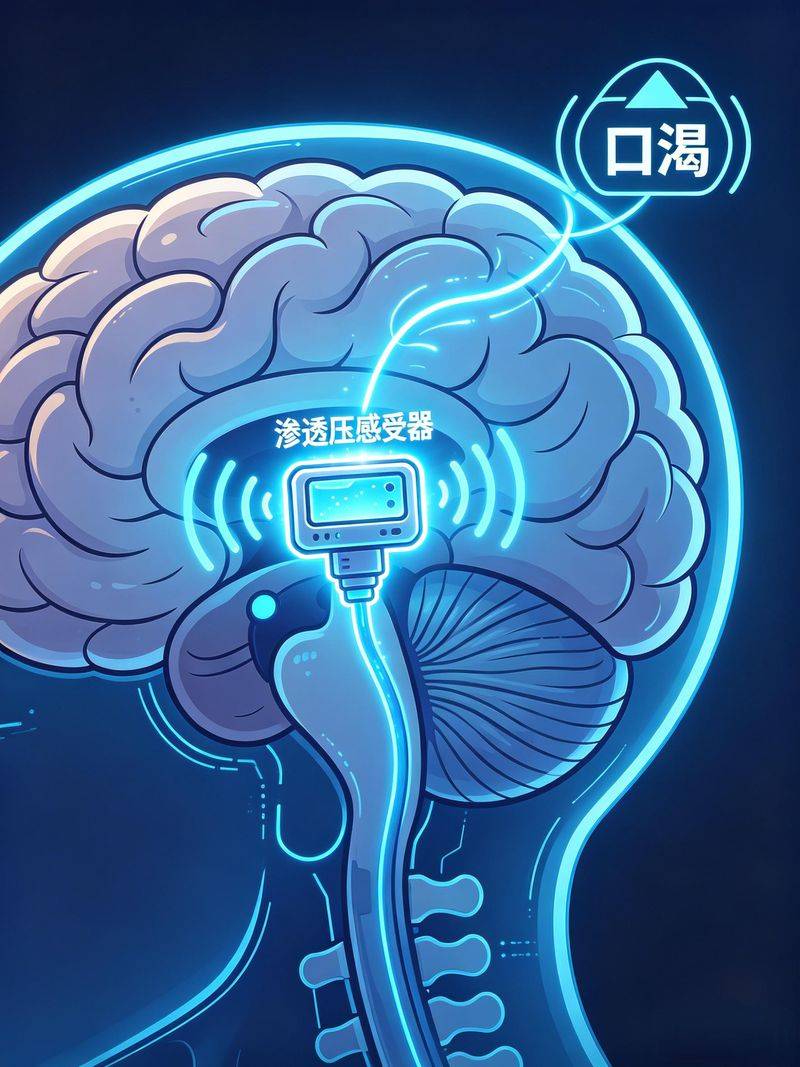
After millions of years of evolution, humankind has long developed an extremely sensitive water-salt balance system. The system is controlled by the "infiltration pressure sensor" of the lower brain. When a body is short of water and blood osmosis is raised by less than 2 per cent, the sensor is activated, sending a signal to the cortex of the brain that gives you the feeling of thirst。
Please note that less than 2 per cent called the police, which is far more sensitive than the water level sensors of the electric hotpot. Unless older persons or persons suffering from certain diseases are likely to suffer from degradation in the heart of their thirst, it is sufficient for the vast majority of people to drink water in time when they are thirsty to maintain their water balance. The pre-drinking of drinking water can lead to premature thinning of blood and the failure of this sophisticated warning system。
Physical “inventory” management, not a simple balance of access
The body's moisture does not exist only in the form of “blood” and “urea”. The water you drink is absorbed into the blood in the intestinal tract, then part of it is transported to cells, tissue fluids, lymphs, forming a huge “functional reservoir”. So, you didn't take a drink of water right away. The kidneys will dynamically adjust the concentration and excretion rate of urine, depending on the body's total quantity of water, subject to precise regulation against urea hormones。
In other words, when you're not short of water, but you're hard-watered, you can only start flood-proofing procedures -- inhibiting anti-urea hormones, allowing kidney openings to water, and quickly draining excess water. The water that you drink is only a quick walk in your body, which not only does not help, but adds to the burden of kidneys and hearts。
Sport-based dehydration “compensation trap”
That is the most confusing point。
In 2015, a study in the journal of sport medicine analysed the post-race blood of hundreds of marathon athletes, with alarming results: a significant proportion of them were passing through the finish line with varying degrees of “motion-related low sodium haematosis”. The reason is simple, they sweat (loss of water and salt) and drink only white water. This exacerbates the blood sodium concentration, which is already diluted by sweat. Their bodies do not lack water, but are “dehydrated with sodium”。
An earlier series of studies have shown that the most safe and effective water recharge strategy is not “drinking early” and “stamping regularly”, but “drinking through thirst”. Your body knows more about your real needs now than the water schedule。
How many of these are you talking about
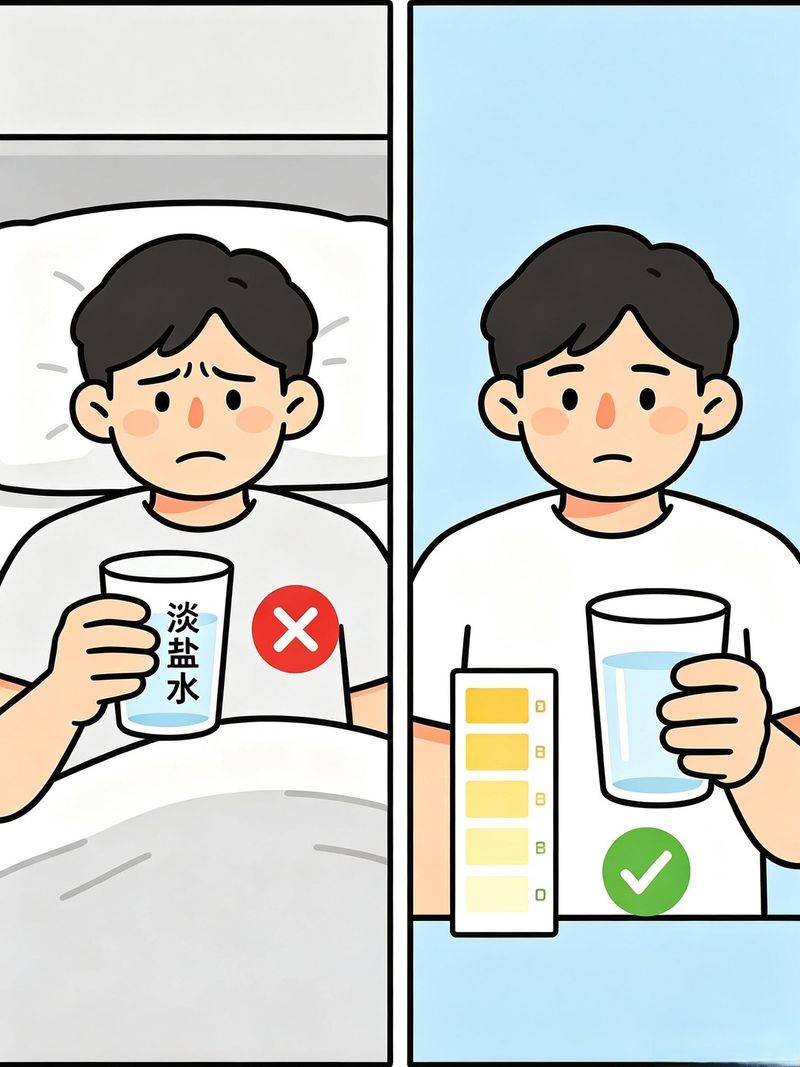
One: a glass of light salt from the morning, detox and intestine
This is an extremely widespread breeding rumor. After a night of breathing and sweating, your body is already in a mild water shortage and blood concentration. Another glass of salt water at this time and sodium ion ingestion exceed the standard, will only increase penetration pressure and increase the burden on cardiovascular and kidneys. It's like a little salty water with a spoon of salt. China's food guide recommends that adults consume less than 5 grams of salt per day, which is a “baby drink” and may account for more than one-fifth of the day。
Zone two: eight cups of water a day
The legend of “eight cups of water” is deep in the heart, but it simplifys the extremely complex biological needs into a mechanical number. These eight cups include soup water, food water, fruit water, internal water from metabolism. For a man who drinks congee every day, he may need only four to five extra cups. Eight cups may not be enough for a worker who is sweating outside. Ignoring individual differences, climatic conditions and dietary content, zheng is no different from buying a number。
The more you drink, the more you detoxize
The word “detoxification” is a gold oil for the concept of false breeding. Real human detoxification depends on liver metabolism and renal filtration. Sufficient moisture does ensure a smooth process, but “more” does not mean “better”. When water ingestion exceeds the excretion limit of the kidney, it not only does not discharge more “toxication”, but rather causes water poisoning by diluting electrolytes, turning its body into “a dead water”。
Zone four: a glass of water before bedtime, a heart attack
This recommendation may be useful for some high-condensation patients, but for most people it may be more detrimental than beneficial. Drinking water before sleeping significantly increases the number of nighttime breaks, especially in depth. And the protection of cardiovascular health by quality sleep itself is much more important than a glass of water in front of it. Sacrifice for “water-covering” is the reverse of the last。
Iv. “three-words” for proper drinking of water
Of course, water is the source of life, and drinking enough is as important as drinking water. The following are simple principles:
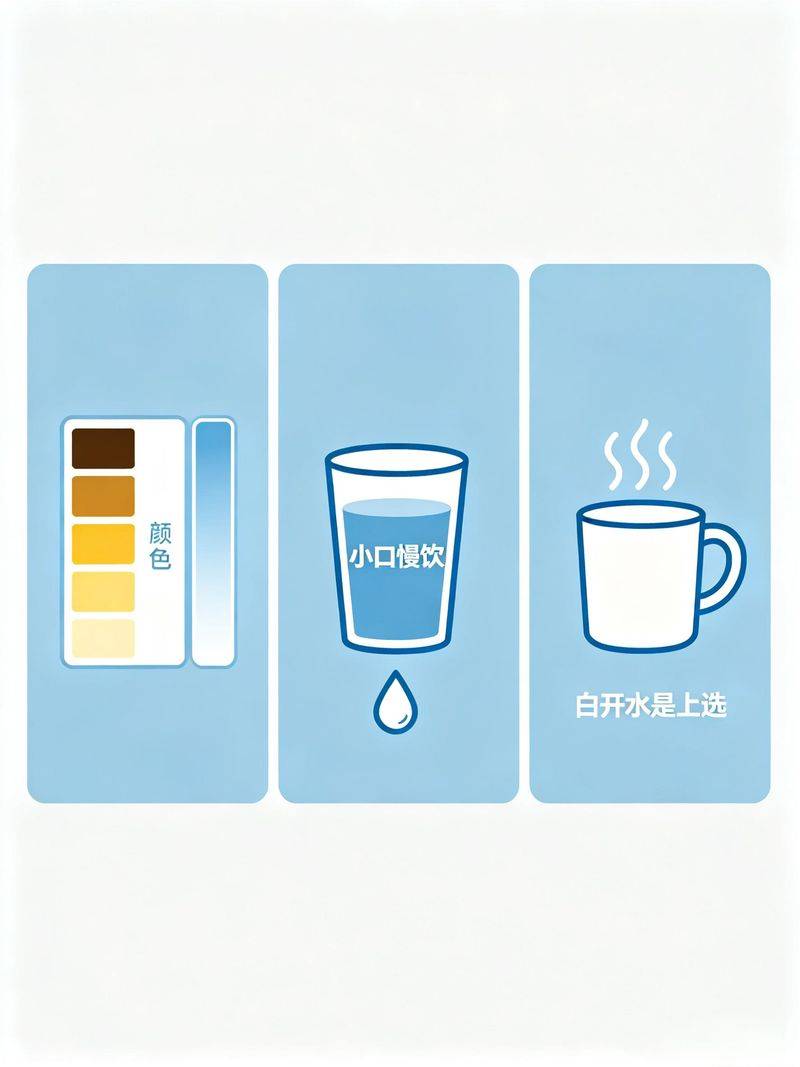
Look at urine, intuitive. A healthy person, urine colour is the simplest indicator of the adequacy of recharge. The ideal color is clear yellow or lemonade. If it's as dark as tea, it means you need water; if it's like running water, it means you're probably drinking a little too much。
Sip, slow down. Even when they are thirsty, they should be sipped, divided and slowly, allowing enough time for the body to absorb and distribute. The most taboo is the high-salvation, “tonne tons” of water in one breath, which puts enormous stress on the body。
White water, it's the top. Stay away from sugary drinks and salty soup. The perfect refill is the simplest. Light tea, lemon chips and water are also good options. Remember, you're doing it for water, not for heat and additives。
Five, write to the one who travels every day with a kettle
We live in an era of “quantitative” and “kpi”. Even the primitive instinct of drinking water is given credit cards, counting and formatting schedules. We are becoming more and more convinced of the signs of the body, and we are becoming more superstitious about the alarms on the app and the culture of friends。
But your body, this complex body from ancient times, doesn't need rigid instructions。
What it needs is for you to calm down and understand the call of thirst。
So why don't you ask yourself: am i thirsty
Your kidneys don't want to be overloaded, your cells don't want to be impregnated in extra water, and your heart doesn't want to maintain excessive blood capacity. People can't do this for you. Only your feelings can decide。
Put down your phone and feel your throat。
The body will tell you whether to drink this water。