Since the launch of the “question one” series, we have received a number of questions. The question that will be answered today is: where did the western silk come from, where did it start, or did the chinese and western people want it to be made? The questioner suggested that before chinese silk was passed to the west, did the west have its own knitting machine? How can people in east and west think of knitting fabric with a knitting machine? Is their knitting machine the same as our knitting machine
There's a lot of ways to make a line
What were the first humans to wear? The general assumption should be like the skin of animals. Han fei-chul: the ancients “weathers don't knit, beasts' fur coats” and the liao-chun says that the cheyennes were also “wilder animals, flesh-eats”. Later on, the idea was to replace the skin with materials like hair and feathers, so this was a process of turning textile fibre into clothing fabric, a process of turning wire into surfaces。
Of course, the transformation of lines into surfaces sometimes does not require the use of weaving. The simplest way is to create a plane with a certain use of the fibers directly by stacking, adhesive, etc., using non-textile materials, which today is called a no-swipe. Most of the material is a silkless cloth, and the paper we use most often is a textile-free cloth, but thick fabrics are blankets such as wool, which are used mostly in domestic clothes。
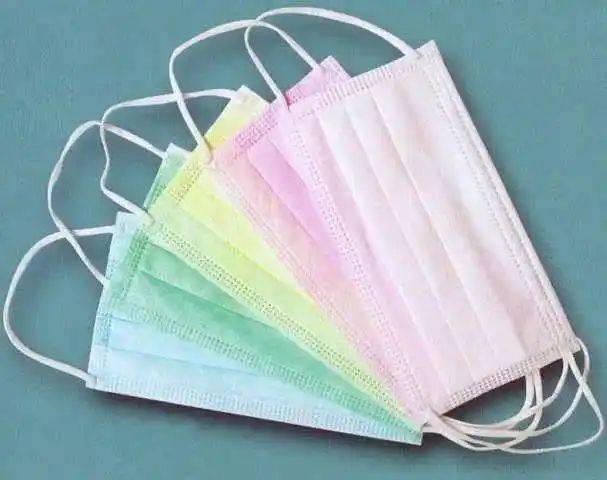
Figure 1 mask without textile materials
The second way to turn a line into a face is to weave it into a face of different fibres or lines through various possible structures. People around the world are envious of the instincts of spiders to weave webs, so there are many corresponding legends. Song's poetry, spider, wrote: "swire out of the abdomen, with no tow." there are legends of spider women in peru, south america. However, there will be a variety of structures for more physical weaving. Eric broudy referred to the following: coding, coding, decorating, braiding, coding, etc., all of which are made by hand and are not part of the textile industry. But they should have existed in early history around the world。
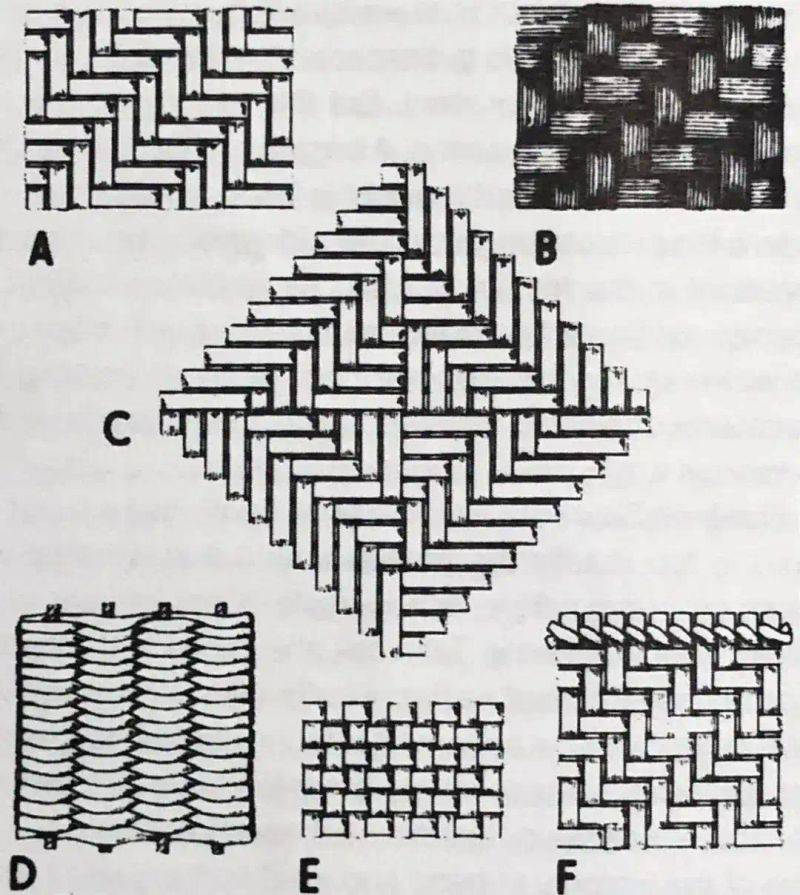
Figure 2a original fabric
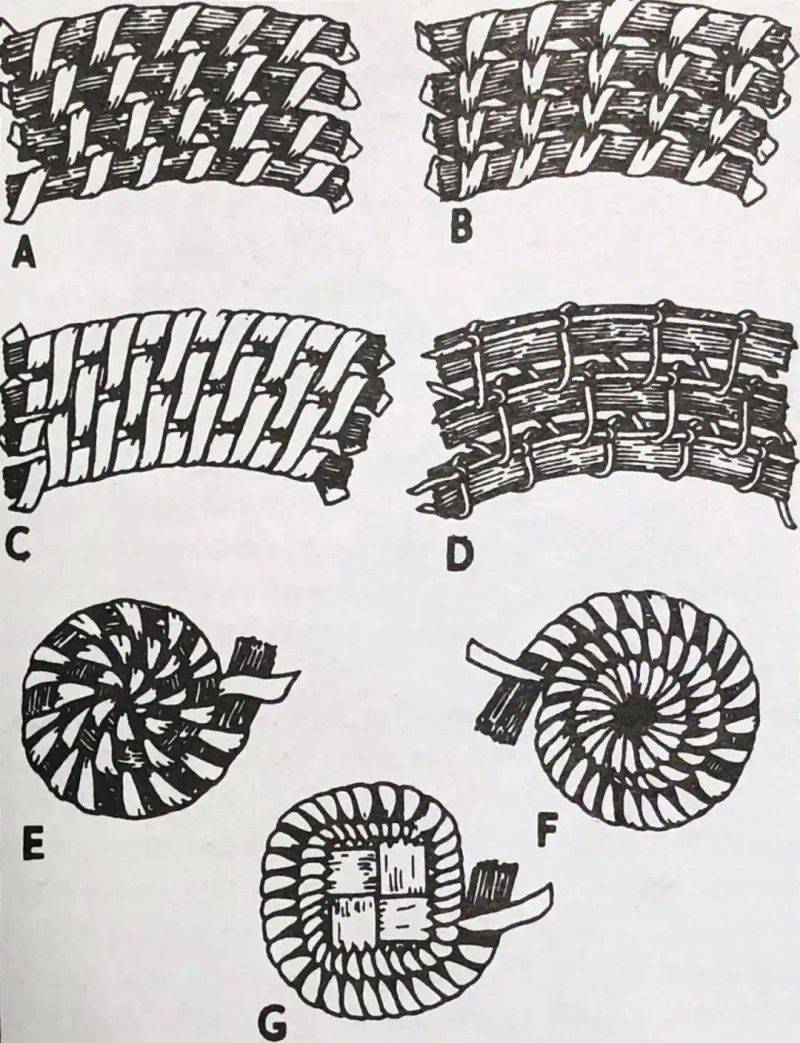
Figure 2b shape in original weaving
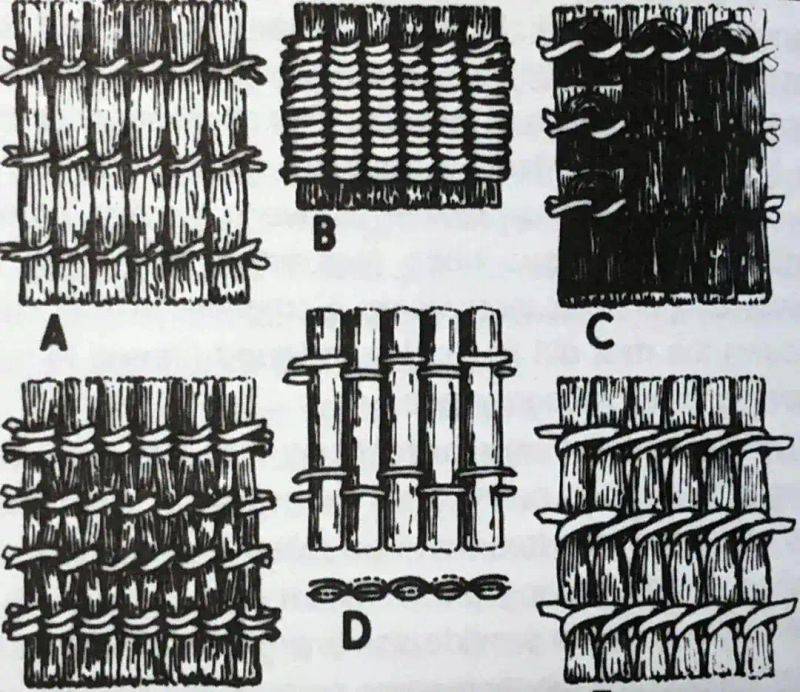
Figure 2c original weaves
The way to knit the machine is through the latitude
Longitude is not alien to us all, and any 2-dimensional plane position can be located at longitude, as is the case for longitude on earth. This is the concept of longitude, which is derived from the concept of longitudes and latitudes in machines, which are always vertical and horizontal。
In textile engineering terminology, the process of transforming yarns into fabrics by interwoven latitude is referred to as “engine” or “weaving”. This is where the line is to be interwoven, with a parallel set of longitudes, and then a vertical longitude line is to cross up and down the longitude, forming into a fabric. "yeunako psalms": "butumn's first garments, tweaked, hand-held, made up of jews. The next generation will win.” this is to say that, before the knitting machine is in place, people make a line of ash fibre, then fix it with their fingers, and apply the principles of textiles, and weave it with parallels, and eventually form the fabric of what is called a web-like fabric. This knitting with hands and feet is still visible in civil society. Mr. Yoshimoto, a knitting expert at the national museum of ethnology in osaka, japan, who was hospitalized in hangzhou, has been introducing us to the simplest fabric he knows。
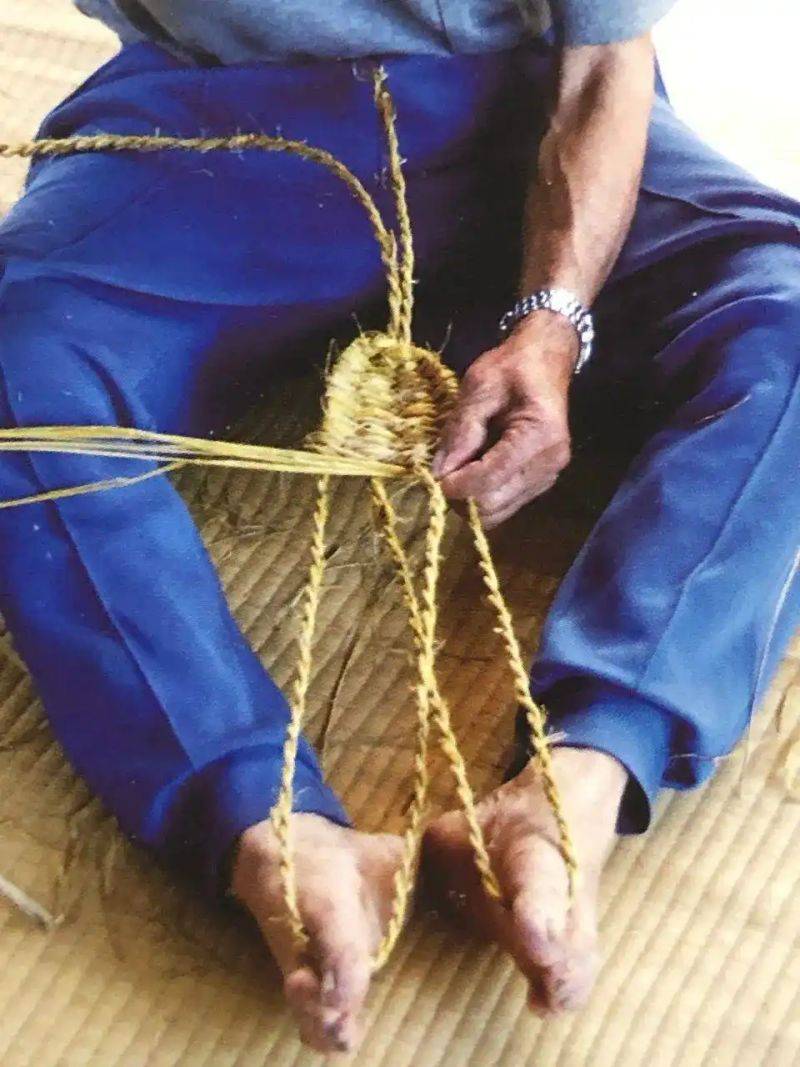
Figure 3
This translatitude usually requires five basic actions, namely, the five fundamentals of the machine, namely: openings, shuttles, latitudinals, passages, rolls, the most basic of which is a shelf that lines into parallel or essentially parallel states and fixes them, but the most important of which is an effective opening, i. E. Lifting a part of the latitude, and not a part of the latitude, so that the latitudes are interwoven as they cross the line to form a knitting machine. Since there is a worldwide incentive to process textile fibres into clothing fabrics and there is a common understanding of the principle of weaving, there is a potential for knitting machines in all parts of the world, although the form and type of knitting in which they are born are not necessarily identical。
The first catal huyuk site on the turkish anatolia peninsula, found in the world with its latitudinal fabric, and the world's oldest linen costume in the egyptian town of tarkhan, around 8,000 years ago。
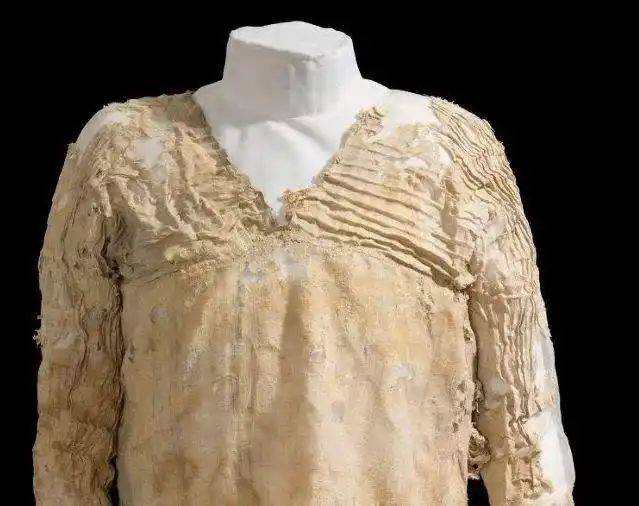
Figure 4 world's earliest linen clothing, 3482-3103bc
In peru, a 5,800-year-old cormorant fabric was found in the ancient tomb of huaca prieta. In china, the earliest fabrics appeared more than 5,000 years ago at the cultural heritage sites of altruism. It can be said that weaves, i. E. Weaves, have been made around the world more than 5,000 years ago. But what about their knitting machines? Let us turn to some of the oldest machine types in the world, most of which have their origins。
Southern mediterranean: double-axis weaving machine
The simplest way to get the line paralleld is to bandage it. On two parallel straight poles, this is the most basic double-axis machine and the most primitive type of machine in the world. The image of this knitting machine was first seen in a plate from badari in ancient egypt, about 7,000 years ago, and is now stored at the university college in london in petrie musium。
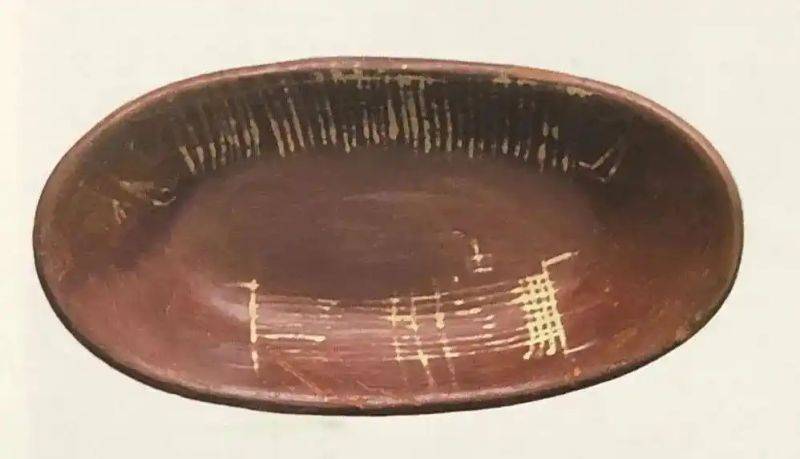
Figure 5
The picture is clearly a floor-weaving machine on the ground, which is also called a horizontal double-axis machine or a ground machine. Images of the same knitting machines can even be found in ancient egyptian murals。
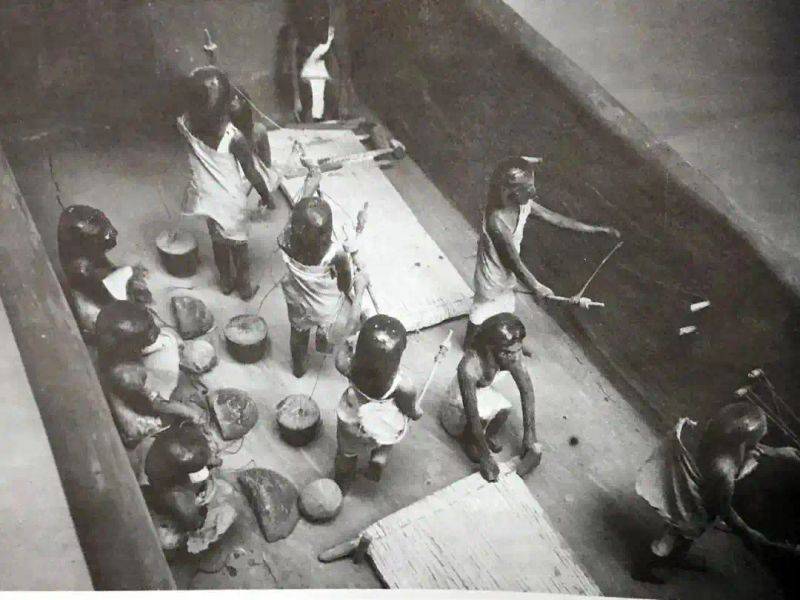
Figure 6 horizontal machine weaving model in ancient egypt
We displayed at the exhibition of the state of the nation 2018 " theory of god " , a bedouin machine that i had collected from the negev area of israel, the same principles as those used by egypt over 6,000 years ago。
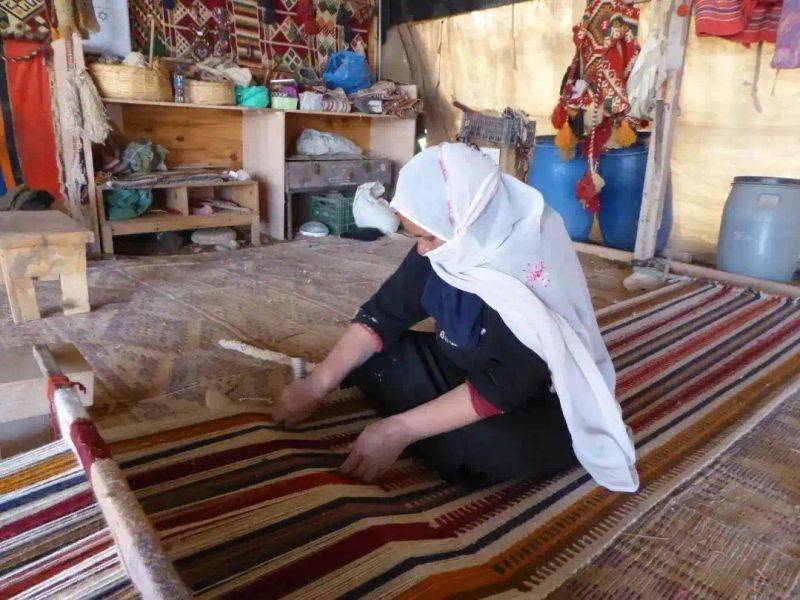
Figure 7 horizontal double-axis machine used by bedouin
The two-axis weaving machine is also in a vertical form, where it is fixed by a vertical shelf. This form can also be found in ancient egyptian murals, where carpet-weaving machines, which are also vertical, are used today in most parts of the world。
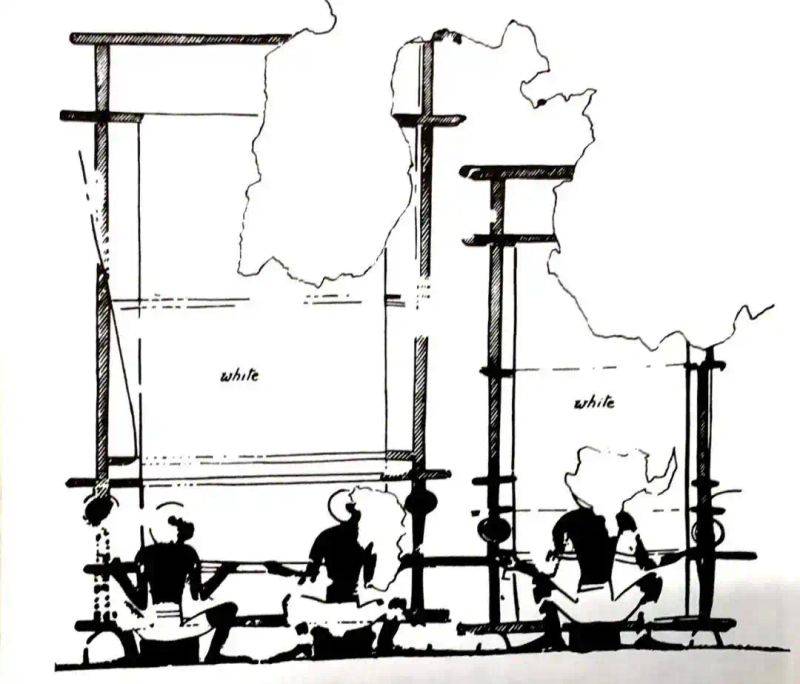
Figure 8 vertical double-axis weaving machines in ancient egyptian murals
Northern mediterranean: hammer weaver
Hammer knitting is another type of early machine that is popular in the west. The machine was also said to have been found in hungary and in anatolia, turkey, before 7,000-9000, and subsequently spread and developed westward, used extensively throughout the greek roman period in europe, reaching the nordic scandinavian peninsula. The typical form of this type of knitting machine is two vertical vertical poles that support the axle of the knitting machine at the top, each of which carries a hammer at the bottom, making all the lines parallel underground. The machine will also contain comprehensives, two or three pieces, during which the knitter lifts the comprehensives and forms the openings, and the parallels will pass through the vents and be interwoven with the wiring, and the knitters will eventually use the latitudinal knife to tighten the line from the bottom to the top and form the fabric. According to the director of eva andersson strand of the centre for textile research at the university of copenhagen, such knitting machines are particularly suitable for slashing。
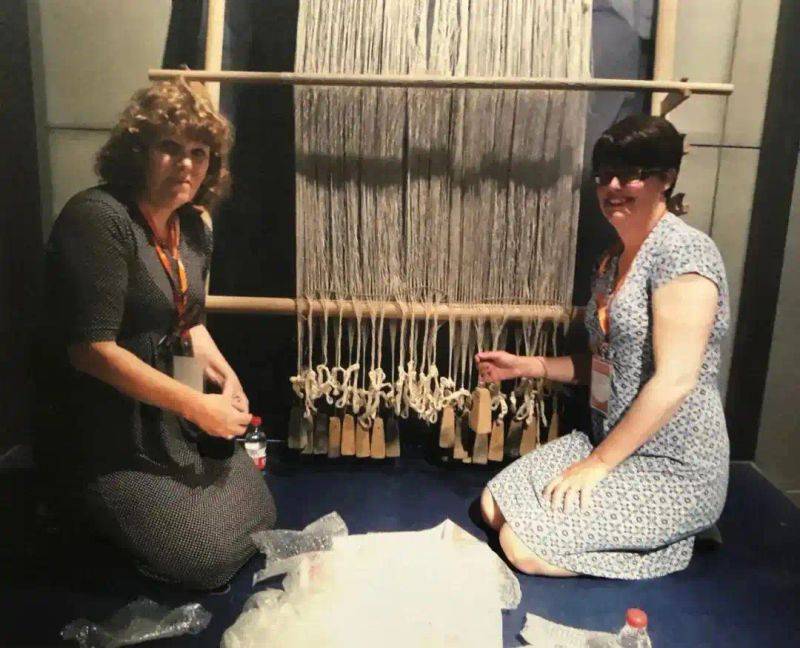
Figure 9 eva was installing a hammer-weaving machine at the show "the great fair."
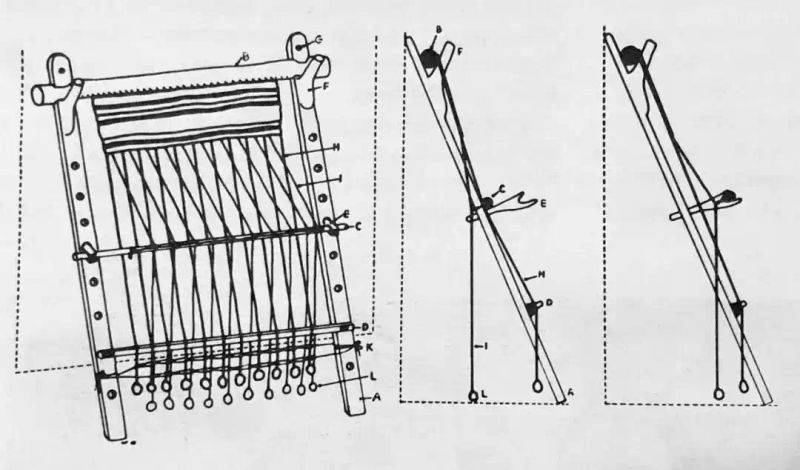
Figure 10
These hammers have a variety of materials, such as stone and pottery, and the objects of the hammer are also soiled throughout europe, especially on pottery during the greek era。
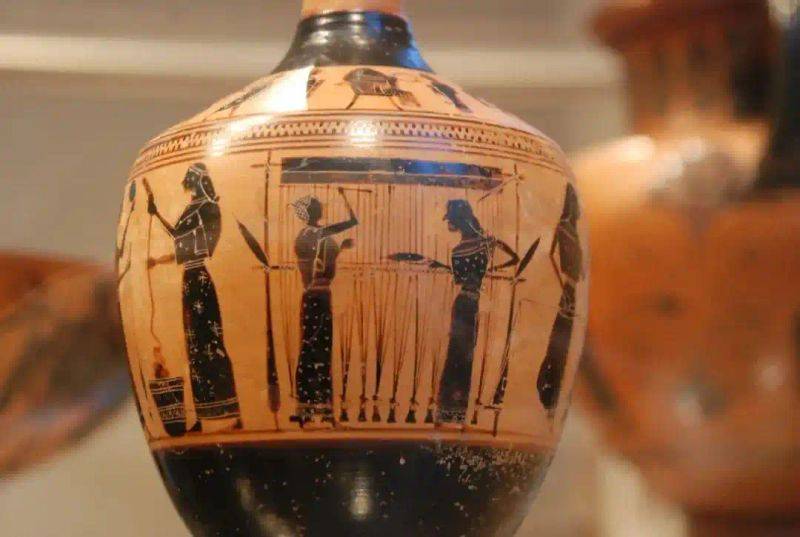
Figure 11 greek pottery at the metropolitan museum of new york
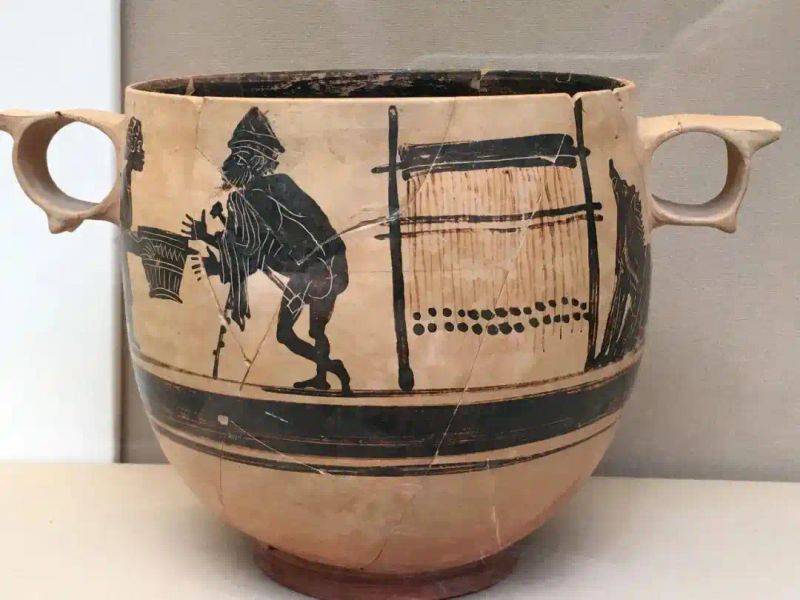
Figure 12 hammer weaver on greek pottery at the british museum
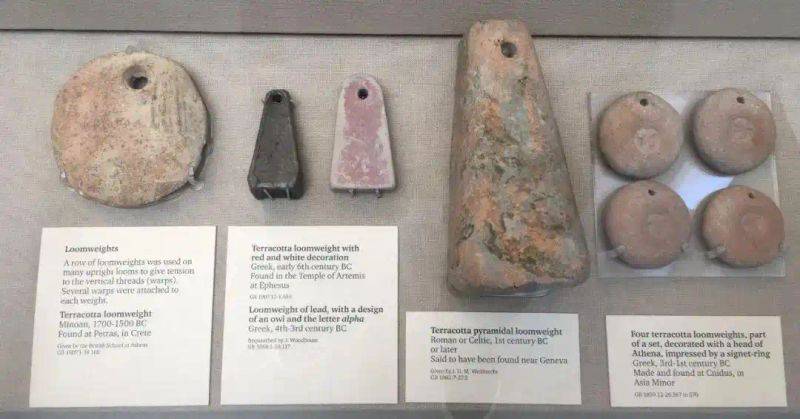
Figure 13